Ġesù ta’ Nazaret u l-Knisja Tiegħu: Xiljiet u Dubji: Ir-Rabà Parti
L-akkuża:
Il-Knisja mhux talli hi antikwata w’mimlija għanqbut, talli dejjem qatta’ bla ħabel kontra x-Xjenza.
Ir-Risposta:
Min għadu jgħid hekk, jew huwa misinfurmat, jew inkella jagħżel li jiffoka fuq aspetti partikolari ta’ uħud mir-rakkonti l-iktar magħrufa tar-relazzjoni ta’ bejn il-Knisja u x-Xjenza (per eżempju, il-każ ta’ Galileo) filwaqt li jinjora għal kollox li jagħmel aċċenn għal diversi individwi, illi minkejja li kienu reliġjużi kienu wkoll protagonisti fl-istorja tal-progress xjentifiku.
Hekk hu, fil-verita, numru ta’ pijunieri fix-xjenza moderna kienu Kattoliċi devoti illi emmnu b’qalbhom kollha li meta wieħed jistudja d-dinja naturali jkun qiegħed jersaq pass eqreb biex jifhem il-kreazzjoni t’Alla. Il-Knisja kienet protagonista fil-proċess tal-ippreservar tal-għerf Medjevali illi għadna ngawdu minnu illum. Li ma kienx għall-isforzi tal-Universitajiet tagħha u komunitajiet Monastiċi, ħafna dokumenti akkademiċi u letteratura klassika ilhom li għosfru għal dejjem.
L-Osservatorju tal-Vatikan
Storikament, il-Knisja Kattolika minn dejjem kellha sehem importantissimu fir-riċerka u d-disseminazzjoni tal-iżviluppi xjentifiċi. Ibda biex, l-Osservatorju tal-Vatikan, li ġie mwaqqaf mill-Papa Gregorju XIII, huwa wieħed mill-eqdem stituzjonijiet tar-riċerka fid-dinja.
Fuq nota oħra, kienu membri tal-kleru Kattoliku li taw fost l-aktar kontribuzzjonijiet sinifikanti fl-oqsma tal-astronomija, fiżika, bioloġija u matematika. Forsi wieħed mill-aktar eżempji prominenti ta’ dan huwa Georges Lemaître, qassis Kattoliku u fiżiku Belġjan illi ppropona l-Big Bang Theory bħala l-oriġini tal-univers fis-snin 1920 – ħafna qabel ma din it-teorija bdiet titqies plawżibbli mill-bqija tad-dinja.
Gregor Mendel
Gregor Mendel, patri Agostinjan huwa mejqus missier il-ġenetika moderna, filwaqt li Roger Bacon,Franġiskan, huwa meqjus wieħed mill-iktar avukati bikrin tal-Metodu Xjentifiku – kunċett illi mhux se nipprova nagħmel tabirruħi li naf nispjega. Nicolaus Copernicus, li minkejja li huwa dibattibbli kienx reliġjuż ordnat, huwa mifhmum li kien Kattoliku devot, ifformula l-mudell eljoċentriku, li fi ftit kliem huwa t-twemmin li d-dinja ddur madwar ix-xemx, iktar milli x-xemx iddur madwar id-dinja.
Il-Kwistjoni tal-Knisja vs Galileo
Galileo Galilei
Meta niddiskutu l-Knisja vs ix-Xjenza, moħħna mill-ewwel imur għall-każ famus ta’ Galileo Galilei. Fil-qasir, li kien ġara kien dan; dak iż-żmien (qed ngħidu fil-jiem bikrin tas-seklu 17), il-konsensus donnu kien li x-xemx torbita madwar id-dinja (ġeoċentriżmu), u mhux li d-dinja ddur madwar ix-xemx. Meta Galileo (li tajjeb insemmi li kien Kattoliku devot) sab evidenza li saħħet it-teżi ta’ Copernicus (li d-dinja fil-fatt m’hijiex iċ-ċentru tal-univers), il-kbarat tal-Knisja tathom rashom. Ir-raġuni kienet, li minħabba l-interpretazzjoni letterali li kienet tagħti lil diversi versi mill-Iskrittura (li hawn se nsemmi biss tnejn minnhom), għaliha kienet ereżija li wieħed jgħid li d-dinja kienet tinqala’ minn ‘postha’ biex iddur max-xemx.
– Minn Salm 104, vers 5: “Int waqqaft l-art fuq is-sisien tagħha b’mod li qatt ma titħarrek.”
– Minn Koħelet 1, v5: “Ix-xemx titla’, ix-xemx tinsel, u tgħaġġel lejn mnejn titla’.
Dawn il-versi u oħrajn bħalhom, jekk toħodhom b’mod letterarju, iva, jinftehmu li qed jissapportjaw it-teżi ġeoċentrika. Pero’ l-kotba fl-Iskrittura m’humiex kotba akkademiċi jew xjentifiċi, u li kieku kellna naqrawhom b’dik il-mentalita, hija ħaġa ovvja li nispiċċaw ngħaffġu. Kif, fil-fatt, spiċċat għamlet il-Knisja (ċioe, it-tmexxija tagħha) fil-każ ta’ Galileo. Talbitu jippreżenta s-sejbiet tiegħu bħala ipoteżi biss, mhux bħala fatti. Imma Galileo, naturalment, insista, kemm privatament u kemm pubblikament, illi hija d-dinja li torbita madwar ix-xemx. Ma damx ma sab ruħu quddiem l-Inkwiżizzjoni Rumana fejn instab misjub ħati ta’ tixrid t’ereżiji (jew ta’ suspetti qawwija li qalhom.) Sussegwentament – u taħt piena ta’ tortura – kellu jirtira l-argumenti kollha tiegħu u wara li għamel dan, għex il-bqija ta’ ħajtu maqful f’daru, taħt house arrest.
Maż-żmien, il-Knisja (li bilmod tgħallmet tinterpreta u taqra l-Bibbja b’mod ħafn’aħjar) indunat li għażqitha.Il-Knisja hija fl-aħħar mill-aħħar magħmula minn umani bħali w’bħalek; umani difettużi fi tfittxija kontinwa għall-verita’. Fl-1992, permezz tal-Papa Ġwanni Pawlu II, il-Knisja aċċettat u għarfet b’mod uffiċċjali li kienet żbaljat fit-trattament ta’ Galileo, u llum, naturalment, m’għandhiex nitfa problema taċċetta li hija d-dinja, li fil-fatt, iddur max-xemx.
Il-Papa Ġwanni Pawlu II
Mela anke f’din il-kwistjoni, l-issue ma kinitx eżattament li l-Knisja kienet kontra x-xjenza jew il-progress, iżda l-interpretazzjoni stretta u żbaljata tagħha tal-Iskrittura. Forsi l-biża tagħha, iktar milli kienet li taċċetta l-fatti xjentifiċi, kienet mill-bieb li beżgħet li jinfetaħ fuq x’seta’ jiġri jekk wieħed jinterpreta’ l-Bibbja kif jiftillu jew b’mod skorrett.
Fid-dinja kontemporanja, il-Knisja b’mod konsistenti tafferma l-kompatibbilta’ tal-fidi u x-xjenza. Fis-snin disgħin, il-Papa Ġwanni Pawlu II iddikkjara li “ix-xjenza tista’ tippurifika r-reliġjon mill-iżball u s-superstizzjoni; u r-reliġjon tista’ tippurifika x-xjenza mill-idolatrija u assoluti foloz.” Il-pożizzjoni tal-Knisja fuq l-evoluzzjoni (kif artikulata mill-Papa Piju XII fl-Enċiklika Humani Generis, 1950), hija wkoll li t-teorija tal-evoluzzjoni hija kompatibbli mal-fidi Kattolika, sakemm din ma tinnegax l-eżistenza tal-Kreatur. Fl-1996, il-Papa Ġwanni Pawlu II stqarr li l-evoluzzjoni hija “iktar minn ipoteżi” u tenna li l-kunċett huwa kompatibbli mal-fidi.
Mela m’huwa minnu xejn li l-Knisja hija kontra x-xjenza. Anzi, b’mod konsistenti, il-Knisja ilha tkun minn ta’ quddiem fir-riċerka għal kulma jista’ jtejjeb l-umanita’, partikolarment fl-oqsma tal-mediċina, l-ekoloġija u l-esplorazzjoni spazjali permezz tal-Osservatorju tal-Vatikan.
Rajt b’attenzjoni kbira il-filmat bl-isem L-Istorja Moħbija ta’ Ġesu’, li tellajt fuq il-pjattaformi soċjali tiegħek nhar l-Erbgħa 16 t’April. Smajt b’reqqa kulma għedt u nemmen li int qajjimt diversi punti li jirrikjedu reazzjoni. Qiegħed niktiblek hekk, f’forma ta’ bloggata u mhux sempliċiment f’kumment taħt il-post tiegħek jew messaġġ privat, għal żewġ raġunijiet primarji.
1. Qiegħed nantiċipa li dan li se nikteb se jkun kemmxejn fit-tul u allura żgur se jkun tedjanti biex taqrah fil-format ta’ kumment. Beħsiebni li, anke b’rispett assolut lejk, fejn hemm bżonn, il-kummenti tiegħi ikunu fid-dettall. Bħalma inti ħadt il-ħin u x-xogħol għar-riċerka u l-produzzjoni, l-istess beħsiebni nagħmel jiena. Se nirriċerka u nivverifika fejn ikolli dubji u mhux se nwieġbek minn żniedi. Ċert li taprezza.
2. Minħabba li l-filmat tiegħek ratu udjenza numeruża, nixtieq li nagħti opportunita’ lill-istess udjenza biex ikollha aċċess għal riċerka jew tisma’ qanpiena differenti minn dak li ppreżentajt inti. U finalment, kif dejjem tisħaq int, jiddeċiedi l-individwu. Irsistejt kemm stajt biex inkun rett u eżatti fir-risposti tiegħi, pero’, bħalma għamilt inti waqt il-filmat tiegħek, nilqa’ kull opportunita’ għal iktar tagħlim. Se nippreżenta l-kummenti fi 12-il sezzjoni; ippruvajt niġborhom skont it-temi diversi li qanqalt int.
NB. Xtaqt nippowstja l-filmat li tellajt inti fuq youtube fl-intier tiegħu fil-bidu nett ta’ dan il-blogg, sabiex nagħmilha iktar faċli għal dak li jkun li jifhem il-kuntest tal-kummenti tiegħi billi jirritorna għal-video tiegħek, pero’ meta’ għamilt hekk, FB ma ħallinix nippowstja l-artiklu, allura kelli kontra qalbi nneħħih.
1) L-Argument Dwar L-Evidenza Dwar Kristu
Minkejja li int stqarrejt għal iktar minn darba li m’hijiex l-intenzjoni tiegħek li tiskredita xi fidi jew oħra, qattajt ftit ħin mhux ħażin tenfasizza n-nuqqas ta’ evidenza li teżisti għall-eżistenza ta’ Ġesù. Tidher issorprendut b’kif m’għandna l-ebda kitbiet dwaru llum li nkitbu dwaru meta kien ħaj. Ikkuntrastajt lil Ġesùma’ personalita illum – anzi biex inkun eżatt, miegħek innifsek bħala podcaster, u qisek skantajt kif illi llum faċli ħafna li wieħed isib evidenza tiegħek, ħafna iktar milli jsib ta’ Ġesù. Sħaqt b’mod repetut li ma teżisti l-ebda evidenza konkreta għall-eżistenza materjali ta’ Kristu. Xejn fuq il-livell tad-Dead Sea Scrolls – xi ħaġa tanġibbli u verifikabbli bl-eżamijiet tal-carbon dating.
“Xejn, xejn, xejn,” ilmentajt. “Lanqas karta waħda!”
Ricky, donnu ftit jagħmel differenza għalik li inti qiegħed tgħix fl-era diġitali u li Ġesù għex elfejn sena ilu. Ngħid għalija, ma nafx kemm jagħmel sens li tikkuntrasta n-nuqqas t’evidenza (eżistenti llum – għax jaf kien hemm u ntilfet!) dwar xi ħadd li għex elfejn sena ilu, mal-evidenza li teżisti illum, dwar bniedem li qiegħed jgħix illum. Speċjalment issa, meta kull ma nagħmlu huwa daqshekk faċli li jkun irrekordjat u ddokumentat b’mod permanenti.
2. Ġesù kien “Alla u għammar fi bniedem.”
Ma nafx kemm qiegħed tfittex li tkun teoloġikament preċiż, iżda din hija suppożizzjoni skorretta għal kollox. Ġesù qatt ma kien “Alla li għammar fi bniedem”, iżda Alla sħiħ daqs kemm bniedem sħiħ. Fih jinsabu żewġ naturi kompleti, id-divin u l-uman, uniti mingħajr problema ta’ xejn. Ġesù m’huwiex Alla ġo kontenitur jew qoxra umana. Ġesù huwa Alla li ħa s-sura umana. Mhux sempliċiment qiegħed “jgħammar fi bniedem”.
Naturalment, nifhem u nirrispetta li jekk inti ma temminx f’dan kollu, jaf m’hux importanti għalik li tipprova tkun preċiż fil-lingwaġġ. Imma f’dak il-każ, naħseb li lanqas m’għandek tiddiskrevih bħala “Alla u għammar fi bniedem”. Għax jew temminha kollha l-ħaġa, jew ma temmen xejn.
3. L-Evanġelji bħal logħba Telefon
Enfasizzajt ħafna li l-Evanġelji kollha ġew miktuba donnhom il-logħba tat-telefon; wieħed jgħid lill-ieħor, dan jirripeti lil ta’ ħdejh, sakemm il-messaġġ kollu (jew talinqas, l-essenza tiegħu) tispiċċa diluted – tintilef għal kollox. Iktar u iktar meta dan, kif spjegajt inti, sar fuq medda ta’ deċennji. Fi kliemek, “Il-Vanġeli nkitbu hekk! Kollha hekk inkitbu! Mhux huma (l-Evanġelisti) kitbuhom!” Kien ikun tajjeb ħafna kieku spjegajt kif inti ċert minn dan. Fejn hi r-referenza riċerkata u affidabbli għal dan, jekk jogħġbok? Qed nistaqsik ukoll minħabba li f’xi filmati li tellajt biex tirreklama din l-‘intervista’, aċċennajt kemm-il darba għal kemm kull ħaġa li għedt hija rriċerkata u vverifikata bis-sorsi miktubin iswed fuq l-abjad. Naħseb din, jistħoqqilha citation, mhux hekk?
Ricky, għedt li l-Evanġelji ma kinux intenzjonati biex jgħallmu lid-dinja, imma iktar donnhom ittri miktubin mill-Evanġelisti biex jikkomunikaw ma’ komunitajiet partikolari. Biex tfihem aħjar, tajt l-eżempju (xi ftit umoristiku), ta’ bħallikieku inti qiegħed tikteb xi ittri għall-komunitajiet ta’ emigranti Maltin, u skontok, wara mija jew mitejn sena, dawn il-kitbiet kieku awtomatikament jiġu kkunsidrati l-Evanġelju ta’ San Ricky. Qisek għedt hekk biex turi kemm ma kienx hemm checks and balances jew bżonn ta’ xi rekwiżiti partikolari sabiex dawn l-ittri jitqiesu Skrittura. Jekk ma jimpurtax, hemm numru ta’ inkorrettezzi f’din it-tixbiha li permezz tagħha dgħajjift ħafna l-valur propju tal-Evanġelji.
– Filwaqt li huwaminnuli l-Evanġelji kienu miktubin għall-komunitajiet diversi,dan jgħodd ukoll għall-maġġioranza tal-kitbiet miġburin fil-Bibbja. B’daqshekk, dan ma jnaqqas xejn mill-awtorità jew verità li tinsab fihom.
– L-Evanġelisti kienu qed jippreservawtestimonjanza bil-kitbiet tagħhom, iktar milli opinjoni (kif kieku jagħmel San Ricky, jew San Mikiel, ħa). Qatt ma ppużaw bħallikieku kienu qed jiktbu xi djarju relax, anzi kemm Luqa (Luqa 1:1-4) u anke Ġwanni (Ġwanni 20:31) għamlu sforz biex ifehmu li l-intenzjoni hija li jiddokumentaw il-verita’. Ironikament, silta oħra ta’ Ġwanni (Ġwanni 19:35): Dan qiegħed jixhdu min ra b’għajnejh, u x-xhieda tiegħu hija minnha. Hu jaf li qiegħed jgħid il-verità, biex intom ukoll temmnu, inti lejn l-aħħar tal-intervista ddiskrivejtha bħala “vera bla sens.”
– L-Evanġelji kienu meqjusa awtoritatevoli mill-bidu nett. Mhux filli xejn, u filli, mitejn sena wara, (bħall-Evanġelji Ipotetiċi Ta’ San Ricky ), huma meqjusa Bibbja. Kienu ppreservati u kkwotati mill-bidu nett. Voldieri, mhux minnu li awtomatikament isiru Evanġelji, sempliċiment għax antiki.
– Li kieku dawn kienu sempliċiment ittri, għalfejn kien ikun hemm bżonn (u kif tispjega li kien hemm) dik l-ammont ta’ konsistenza u qbil bejniethom? Minkejja li kienu miktubin minn awturi differenti u għal udjenzi differenti, hemm konsistenza straordinarja bejn it-temi fin-narrattiva: l-identita’ divina ta’ Kristu, il-mewt u r-riżoruzzjoni, il-mirakli, etc. Li kieku dawn kienu biss ittri komuni jew noti speċifiċi għall-komunitajiet, nimmaġina li kien ikun hemm diverġenzi akbar. Iżda li għandna hawn huwa xhieda appostolika u din tagħtihom l-unità tagħhom.
– L-aħħar u l-iktar punt kruċjali fuq din. Kieku int (jew jien) qed niktbu lill-komunitajiet Maltin barra minn xtutna, anke mitt sena oħra, ħadd m’hu ħa jfixkel kliemna ma’ kontenut divin. Iżda fl-Evanġelji nsibu lil Ġesùjaħfer id-dnubiet (prerogattiva divina), lil Ġesùjqum mill-imwiet (ippreżentat bħala fatt storiku) u lil Ġesùjġib fis-seħħ numru ta’ profeziji. Dawn m’humiex just noti. Dawn huma numru ta’ stqarriji li tista’ jew taċċettahom jew tinneghom.
Mela ma nafx kif tista’ tgħid li l-Evanġelji kienu biss kollezzjonijiet t’ittri mhux maħsuba biex jgħallmu. Ma nafx għala għandek tgħid dan.
5. Il-Q Source
Ricky, semmejt il-vanġelji Q (taqsira ta’ Quelle – Sors bil-Ġermaniż), vanġelji li, kif għedt sewwa inti, huma allegatibiss. Ipotetiċi. Ma jeżistux u m’għandna l-ebda evidenza għall-eżistenza tagħhom. Biss inti semmejthom fil-kuntest li għall-Knisja, dawn huma, “Bulletproof… evidenzi għall-Ġesu’”. Mnejn ġibtha din, Ricky? Il-Knisja qatt m’għallmet li l-Q hija duttrina u ma tiddependix fuqha bħala prova storika ta’ Kristu.
Il-Kristjanita’ hija primarjament imsejsa fuq ix-Xhieda Appostolika u L-Evanġelji stabbiliti. Imbagħad hemm sorsi extra-bibbliċi (Taċitu, Josephus, Pliny ż-Żgħir etc) u -esperjenzi li għexu l-Komunitajiet Kristjani bikrin.
Mela huwa skorrett li tgħid li għall-Knisja, Q huwa “Bulletproof… evidenzi għall-Ġesu’”. Il-Knisja m’għandiex bżonn lil Q biex tipprova li Ġesù verament eżista. Hemm diġa’ abbundanza storika fuqiex isserraħ. Q hija teorija moderna u mhux manuskritt.
6. Papias u l-Mewt ta’ Ġuda
Ricky, enfasizzajt id-diskrepanzi fir-rakkonti dwar il-mewt ta’ Ġuda bejn dak li jikteb Mattew (“tgħallaq”) u Luqa (“waqa fuq il-blat u ħarġulu msarnu”). Għedt ukoll li skont Papias, meta niżżluh mit-tgħalliq, kien għadu ħaj. Imbagħad għedt, “Jekk ħa nemmnu ’l Papias, mela, bħala sors awtentiku, heq – l-istejjer ta’ Ġuda mela fil-Bibbja m’humiex minnhom!”
Ricky, ibda biex, għandek żball – imkien fit-texts tiegħu ma Papias isemmi t-tgħallieq.
Apparti dan, fil-verita’, il-Knisja ma tqisx li hemm xi kontradizzjoni partikolari bejn dawn ir-rakkonti. Papias huwa iktar meqjus li qed jelabora fuq tradizzjonijiet orali u li kien qiegħed jamplifika l-ħsara fuq il-ġisem (u r-ruħ) ta’ Ġuda iktar bħala twissija morali dwar il-konsegwenza tad-dnub milli bħala fatt storiku. U anke kieku kien qiegħed jikkontradixxi l-Iskrittura – li mhux il-każ – Papias m’huwiex Skrittura spirata. Il-Knisja mkien ma qatt qalet li kien. Papias kiteb deċennji wara l-Evanġelisti, u biċċiet mill-kitba tiegħu huma meqjusa dubjużi (jew mitoloġiċi) anke minn Missirijiet tal-Knisja bħal Ewsebju.
7. Josephus Flavius
Ricky, ippreżentajt każ kontra d-dipendibbilta’ (jew kemm wieħed jista’ joqgħod fuq) ta’ Josephus Falvius. “Josephus Flavius kiteb 95 sena wara Ġesù… iġifieri 62 sena wara li miet Ġesù. Nemmnuh?” Umbagħad komplejt bl-eżempju tal-ġganti li kiteb dwarhom. Għidt, “Jekk temmnu bħala storiku li la kitibha, vera eżista’ Ġesù, mela mbagħad trid temmen ukoll fuq dawn il-ġganti.”
Mela… filwaqt li jien ma qrajtx eżattament x’kiteb Flavius fuq il-ġganti, kif nimmaġina li taf sew, ħafna kittieba kienu jiktbu dwar affarjiet li kienu parti mill-kuntest kulturali jew tat-twemmin popolari tagħhom. Per eżempju, Herodotus (imlaqqam Missier l-istorja) ukoll kiteb koċċ affarjiet fantastiċi, pero l-istoriċi ma jaqbdux u jarmu kulma kiteb minħabba f’hekk. Bl-istess mod, il-kitba ta’ Flavius fuq il-Ġganti (jista’ jkun li kien qiegħed jikteb dwar in-Nephilim?) żgur li ma jinvalidax ir-rapporti aktar fattwali tiegħu, speċjalment dwar dawk li jinvolvu l-politika Rumana.
Ricky, fuq Flavius ukoll, semmejt li dan jitkellem dwar it-tlieta minn sħabu li ra msallba u talab biex jinħelsu. Għedt li niżżilhom ħajjin “wara erbat ijiem.”Mill-mod ta’ kif ippreżentajt l-argument tiegħek hawn, qiegħed ċarament talludi li jew Flavius huwa giddieb – għax impossibbli li dawn baqgħu ħajjin wara erbat ijiem, jew inkella li huwa impossibbli li Kristu verament miet wara ftit siegħat. Donnu rridu nagħżlu.
Fil-verita’, m’huwiex il-każ. Ibda biex, għandek żball fuq l-“erbat ijiem.” Jien smajt minnek u rriċerkajt The Life of Josephus. It-text huwa dan –
“When I was sent by Titus Caesar with Cerealis and a thousand horsemen to a certain village called Thecoa, as I was returning, I saw many captives crucified, and I knew three of them as my former acquaintances. I was very sorry at this in my mind, and went with tears in my eyes to Titus, and told him of them; so he immediately commanded them to be taken down, and to have the greatest care taken of them in order to their recovery. Yet two of them died under the physician’s hands; the third recovered.”
Filwaqt li nemmen li ż-żieda tal-“erbat ijiem” kien żball ġenwin min-naħa tiegħek, pero’ l-istqarrija tiegħek kienet qed isserraħ fuq dawk l-erbat ijiem, li huwa dettall miżjud. Issa ejja ngħidu li dawn kienu ilhom imsallba jumejn, jew tlieta. Xorta waħda ma nistax nifhem għalfejn tara dan bħala evidenza kontra r-riżoruzzjoni ta’ Kristu, għal numru ta’ raġunijiet.
– It-tul tal-kurċifissjoni kien ivarja ħafna skont iċ-ċirkustanzi. Kien hemm min kien imut fi ftit siegħat, oħrajn kienu jkarkru ġranet.
– Mark 15:15 jgħidilna li Kristu kien flaġellat qabel ma ingħata l-mewt fuq is-salib. Il-flaġellazzjoni tant kienet brutali li setgħet tkun fatali. Il-flagrum Rumana kienet kapaċi toħloq trawma estensiva fil-ġisem, kull daqqa ċċarrat fil-laħam sabiex tesponi l-muskoli u organi interjuri. Wisq probabbli, Kristu kien diġa’ kważi mejjet qabel ma sammruh mas-Salib.
– Ir-Rumani kisru s-saqajn tat-tnejn misluba fuq il-lemin u x-xellug ta’ Kristu biex iħaffu l-mewt tagħhom, imma Kristu kien mejjet diġa’ (Ġwanni 19:33). Dan id-dettall juri li kien common knowledge li l-mewt setgħet tieħu aktar fit-tul.
8. San Luqa l-Plaġjarist
F’punt minnhom, iddiskrivejt lil San Luqa bħala “qisu plaġjarist.” Għedt, “Lil Ġesù ma laħqux hu. X’għamel allura – biex jagħmel Vanġelju biex ibiegħu lin-nies?” Komplejt tiddiskrivih bħala “ħaxxej… sa ċertu punt, qabad stejjer fl-antik testment illi kienu hit…” u hawn spjegajt li l-massakru tal-innoċenti ta’ Erodi huwa sempliċiment qisu remix (kelma tiegħi) tal-massakru mill-Farawni fil-kotba tal-Eżodu, u semmejt ukoll li “illum il-ġurnata, nafu li mhux vera dik” – għal ta’ Erodi. “Il-Knisja tgħidlek li mhux vera.”
Ibda biex, kien Mattew u mhux Luqa li rrakkonta l-Massakru tal-Innoċenti (Mattew 2:16-18). Jien u nisimgħek ħadt l-impressjoni li kont qiegħed tatribwixxih lil Luqa, jekk jien żbaljat fuq dan, aħfirli. Pero’ li jien żgur minnu hu li inti għal iktar minn darba, sħat li l-Knisja iddikkjarat li l-Massakru ta’ żmien Erodi ma ġarax tassew.
Hawnhekk żbaljat, Ricky.
Filwaqt li huwa minnu li xi studjużi (anke Kattoliċi) jenfasizzaw il-punt li m’hemm l-ebda referenza għal dan il-massakru barra mill-Bibbja, dan il-fatt waħdu ma jinnegax li jista’ jkun li verament kien hemm dan il-massakru. Fuq kollox, dan kien avveniment żgħir ħafna. Kbir għalina, għax anke l-qtil ta’ tifel wieħed huwa skandaluż u atroċi, imma kif taf, Betlehem kien post żgħir ta’ bejn 300 u 1000 ruħ. Jekk Erodi ordna l-imwiet tas-subien t’inqas minn sentejn, bejn wieħed u ieħor jaf qed nitkellmu dwar għoxrin, l-iktar l-iktar tletin, ħamsa u tletin tifel.
U bħal f’kollox, nuqqas t’evidenza ma jfissirx evidenza t’assenza.
Ippermettili ngħidlek, Ricky, li li ssejjaħ lil San Luqa “plaġjarist” jixhed nuqqas t’għarfien jew aprezzament dwar kif kittieba Lhud kienu jużaw it-tipoloġija – forma ta’ rakkuntar u interpretazzjoni ta’ kif avvenimenti passati jipprefiguraw oħrajn futuri.
Luqa (u Mattew) ma kinux qed jisirqu mill-antik testment “biex ibiegħu” imma kienu qed jaraw kif Kristu jagħmel sens jew jagħti sens ġdid, opri aktar bikrin t’Alla.
9. Il-Verġinitàtal-Madonna
Dwar kemm Ġesù twieled minn verġni (jew le), kont ikkummentajtlek fuq il-clip li qtajt – se nitfagħlek copy/paste tal-kumment tiegħi hawn –
Laqatni ħafna, pero’, il-fatt li meta Matthew ipprova jislet risposta definittiva mingħandek – “Kien hemm intercourse, mela, ma Ġużeppi,” ir-risposta tiegħek kienet, “ma nafx, jien ma kontx magħhom fis-sodda, imma s’issa ma naf lil ħadd li twieled bil-Holy Ghost.”Għandek raġun, Ricky. Ħadd ma jitwieled bil-Holy Ghost… sakemm dak il-persuna m’huwiex Alla inkarnat. U dak hu Ġesù. Li kieku twelid verġni hija okkurrenza komuni, x’kien ikun hemm notevoli jew mirakoluż fiha?
10. Lixandria u l-Għerf Eġizzjan ta’ Kristu
Ricky, inti spjegajt kif, skont San Ġustinu (dejjem skont dak li taf u rriċerkajt inti), Ġesù ġie mgħallem il-filosofija Eġizzjana fi tfulitu u filfatt, dan anke sejjaħlu t-tieni Sokrate. Għedt li fi tfulitu, Ġesù kellu l-opportunita jżur l-aqwa universita’ tad-dinja, il-Biblioteka ta’ Lixandrija u ħa l-għerf tiegħu minn hemm. “San Justinu, u l-Knisja m’għandha l-ebda problema taċċettah dan!” għedtilna. Umbagħad komplejt tispjega kif “din l-istorja ssib l-apiċe tagħha…” f’meta Ġesù kien ‘mitluf’ fit-tempju.
Ricky, nemmen li hawn tinsab żbaljat ukoll.
San Ġustinu mkien ma jgħid li Ġesù studja l-filosofija f’Lixandria. Din hija biss leġġenda jew storja, u mhux dikjarazzjoni minn Missirijiet il-Knisja. Il-Biblioteka ta’ Lixandria żgur li ma kienx post faċilment aċċessibli għal tifel Lhudi fqir minn Nazareth. Mela x’qal eżattament San Ġustinu?
Għandek raġun tgħid illi ikkumpara lil Kristu ma’ Socrates, iżda mhux eżattament fil-kuntest li ddeskrivejt int. Anzi, San Ġustinu ddifenda ħafna id-divinita’ ta’ Kristu, u qal li hemm xi veritajiet fil-filosofija Griega minħabba li l-Verb innifsu (Logos) kien attiv matul iż-żminijiet kollha, imma qal ukoll li Kristu nnifsu kien Logos inkarnat. Fl-aħħar mill-aħħar, Ġustinu jargumenta b’mod espliċitu li Ġesu ma tgħallimx il-verita’ divina mill-umanita’ imma li kien divin mill-bidu nett.
Ħa nikkwota lilu – San Ġustinu Martri, l-Ewwel Apoloġija 23:
“Whatever things were rightly said among all men, are the property of us Christians… for all the writers were able to see the truth darkly through the seed of the Word implanted in them.” Mela filwaqt li huwa minnu li Ġustinu nnota xi veritajiet fil-ħsieb Grieg u Pagan, dejjem insista li Ġesùkien il-verita’ tal-Kelma fil-milja tagħha, u mhux li silet l-għerf tiegħu mill-Griegi u l-Pagani.
Ġustinu kien jammira lil Socrates u lil filosofi Griegi oħrajn minħabba li kien jemmen li kienu parzjalment imnebbħa mill-Kelma Divina. F’dal-kuntest, filwaqt li huwa minnu li kkumpara lil Ġesùma Socrates, li kien qal kien, li Ġesùhuwa l-milja (jew fulfillment) ta’ dak li Socrates esperjenza biss ftit minnu. Imkien ma qal li Kristu studja l-filosofija ta’ jew bħal Socrates.
San Ġustinu emmen li l-filosofija kienet “preparazzjoni għall-Evanġelji” (praeparatio evangelica). Lil Socrates ikkunsidrah bħala “logos spermatikos”– xi ħadd li kellu fih iż-żerriegħa tal-Kelma (Logos) imma mhux il-verita’ sħiħa, li hija preżenti fi Kristu biss.
Nerġa’ nikkwotah – L-Ewwel Apoloġija 46:
“Christ is the Logos, in whom every race of men shared. Those who lived according to reason are Christians, even though they were called atheists. Such men as Socrates, Heraclitus, and others like them.” Mela San Ġustinu emmen li Socrates, bħan-nies kollha ta’ rieda tajba, kellhom fihom xrara ta’ verita’ divina, pero’ li Kristu kien il-Verita’ Divina magħmula bniedem. Mela mhux li Kristu tgħallem l-għerf mill-filosfi, imma li l-filosfi raw traċċi tal-verita’ li finalment kienet se ssib il-milja tagħha fi Kristu.
11. L-Iktar Każ Korrott
Lejn l-aħħar tal-filmat, għamilt numru ta’ stqarrijiet interessanti: Ħa nibda billi nikkummenta b’mod ħafif dwar ir-rakkont fantastiku tal-opra “Macchiavellata” (kliemek) denja ta’ film ta’ Christopher Nolan (kliemi) illi tteoriżżajt li aktarx seħħet fl-aħħar siegħat ta’ Kristu fuq is-Salib. Hawn ippreżentajt dik li hi magħrufa bħala l-Iswoon Theory (jew it-Teorija tal-Istordament).Teorija fantastika li ilna nisimgħu, u li tibqa’ toffri divertiment.
“Dan jista’ jkun l-ikbar każ korrott li qatt rat id-dinja,” imfassal bejnu u familtu (skontok, iz-Ziju Ġużeppi ta’ Arimatea – milljunarju ekwivalenti għal Ministru potenti u korrott tallum) il-Madonna Ommu, Marija ta’ Kleofa San Ġwann, u l-Madalena (skontok, il-girlfriend ta’ Ġesù).
Komplejt tirrakkonta kif, aktarx grazzi għall-għerf Egizzjan li Kristu akkwista f’Lixandria, tgħallem iħawwar mhux ħażin fil-mediċina. Il-mewt tiegħu kienet staged, ma kienx mejjet iżda daħal f’koma bil-mirra li tah is-suldat fl-isponża, u l-familja ħbietu. Dewwewh bil-mirra biex fejqulu l-ġrieħi u ħarrbuh lejn l-Indja.
Storikament, m’hemm xejn xi jsostni dit-teorija. Medikament hija implawsibbli għall-aħħar. Ġisem Ġesù, u ġisem kull min għadda minn flaġellazzjoni Rumana, skont l-istoriċi, kien pjaga waħda. Ma kienx se jidliklu ftit Aloe Vera u jerġa’ jiġi talequale. Il-mewt ta’ Kristu kien ikkonfermat mill-eżekuturi Rumani u l-Kristjani Bikrin ilkoll emmnu fir-reżuruzzjoni, u mhux sempliċiment li Ġesù ssopravixxa t-tortura. L-istorja ta’ Kristu fil-Kashmir ġejja minn sorsi skreditati tas-seklu 19 u l-ebda storiku ma joħodha bis-sejreta’. Hija meqjusa biċċa finzjoni, u mhux beħsiebni nfettaq wisq fuqha jien.
Imma hawn kummenti ta’ malajr ħafna rigward dettalji forsi aktar superfiċjali li semmejt int, li jmorru lil hinn min-narrattiva Swoon infisha.
– Imkien m’hemm evidenza storika jew Bibblika li tgħid li Ġużeppi kien iz-Ziju ta’ Ġesù. Mnejn ġibtha din? Fejn hi r-referenza għaliha? Għalik dan huwa dettall importanti għaliex semmejt ħafna kemm il-familjaliżmu ta’ bejn iz-ziju u n-neputi lagħab parti importanti f’din l-istorja.
– Din l-istorja li kienet popolarizzata mir-Russu Nicolas Notovitch kienet uffiċjalment esposta bħala gidba. Kienet investigata minn Max Müller, Orjentalist Ġermaniż rinomat, illi saħansitra kkuntattja l-Monasteru li Notovitch kien semma fil-ktieb tiegħu. Il-patrijiet t’hemmekk, la qatt kienu semgħu b’Notovitch u wisq anqas bil-manuskritti. J.Archibald Douglas, professur f’Agra ukoll ikkonferma li din l-istorja hija ffabrikata.
Din l-istorja ilha meqjusa gidba u hoax 140 sena. Niskanta w’nitnixxef kif u għalfejn inti, mela, Ricky Caruana tagħtiha daqshekk piż, u ssejħilha ‘teoloġija’. Din hija l-big revelation? Din hija l-istorja moħbija ta’ Ġesù?
– M’hemm l-ebda evidenza storika, arkeoloġika jew Bibblika li tgħid li Ġesù u l-Madalena kienu romantiċi ma’ xulxin. M’hemm l-ebda sors ta’ min joqgħod fuqu li jgħid li Kristu qatt bies lill-Madalena fuq ħalqha. Din l-dea ġejja minn manuskritt gnostiku frammentat – illi la jsemmi l-kelma ‘ħalq’ u lanqas ‘xufftejn’. Hawn donnok għamilt fill-in-the-blanks int (kif għamlu ħafna oħrajn qablek ukoll, to be fair), u alludejt għaliha bħala fatt, “…li kienet l-uniku dixxiplu li Ġesù bies fuq ħalqu”. Allura, tajjeb hekk?
12. Tliet Notamenti oħra
Ftit notamenti finali dwar tliet stqarrijiet oħra tiegħek. Mhux se nikteb fit-tul.
1) “Il-Buddiżmu huwa a way of living. Il-Kristjaneżmu ġabuh politika – set of rules – hekk ma tistax, hekk dnub, hekk ħażin… u hekk farrkuh lill-bniedem, iktar milli għamlulu ġid.”Ricky, il-Kristjaneżmu veru irridu verament ngħixuh aħna l-Kristjani. Il-Kristjaneżmu huwa bbażat fuq il-kunċett ta’ free will. Jekk ħaddieħor iġibu politika, dak mhux il-Kristjaneżmu tiegħi. Dak kif ġabu ħaddieħor. Il-problema hija iktar x’jagħmel l-individwu bil-Kristjaneżmu, milli bil-Kristjaneżmu nnifsu, le?
2) Meta Matthew semmielek il-Lizar ta’ Kristu, inti għedtlu biss, xott xott, li “dawk conspiracy theories. M’għandhomx x’jaqsmu.”Il-Liżar ta’ Turin huwa l-iktar oġġett (individwali) studjat fid-dinja. Naħseb li jimmerita ħafna iktar minn sempliċiment “conspiracy theories”.
3) “Is-Slaten maġi daħlu fl-istorja għax propju Ġesu kien jgħallem kunċetti buddisti.” Mnejn ġibtha din? L-Islaten Maġi tfaċċaw fl-infanzja ta’ Kristu.
Biex nagħlaq,
Ricky, nixtieq ġenwinament nirringrazzjak talli ħloqt dan il-kuntest fejn wieħed jista’ jkompli jitgħallem, ifittex u jirriċerka. Kif ġieli tgħid inti, isbaħ mit-tagħlim m’hemmx. Nittama ħafna li tibqa’ tirriċerka, tistudja u tfittex il-verita’. U li tqasam magħna dak li ssib.
Fl-istess ħin, nittama wkoll li lkoll kemm aħna nitgħalmu nagħrfu l-qamħ mis-sikrana. Mhux kull “teoloġija” hija ta’ min joqgħod fuqha. Mhux kull riċerka reliġjuża, mhux kull teorija u mhux kull leġġenda hija “teoloġija”… li ħa twassalna għall-verita’. Fl-aħħar mill-aħħar, hija l-intenzjoni tagħna fit-tiftix li tagħmel id-differenza kollha. Jekk se nibda’ nfittex u nirriċerka bit-tir li nsib l-evidenza li tikkorrabora dak li diġa’ nemmen (jew ma nemminx), se nibqa’ fejn kont. Jekk verament irrid infittex li nikber u li nersaq eqreb lejn il-verita’, irrid l-ewwel nett niftaħ qalbi u moħħi għall-possibiltà li jaf għadni ma naf assolutament xejn.
Nitlob u nittama li lkoll kemm aħna nkomplu ninfetħu dejjem u bl-aktar mod ġenwin għall-verita’, u li fil-proċess, kemm jiena u kemm inti, permezz ta’ ħidmietna u bħala żewġ umani ta’ rieda tajba, inkunu ta’ sostenn għal xulxin fl-istess vjaġġ.
Ġesù ta’ Nazaret u l-Knisja Tiegħu: Xiljiet u Dubji: It-Tielet Parti
L-attakk:
Meta wieħed ifittex li jiskredita l-Bibbja, fost l-ewwel li jattakka hijal-awtentiċità tagħha. L-argument huwa illi għalkemm ġejna mgħallma li l-Evanġelji kienu miktuba mill-erba’ Evanġelisti: Mark, Mattew, Ġwanni u Luqa, fil-verita’ ma nkitbux minnhom iżda minn dixxipli tagħhom jew minn terzi persuni oħra. Allura, jekk anke rigward l-identità tal-awtur hemm id-dubji, kif jista’ jitwemmen il-kontenut?
It-tweġiba:
L-identità tal-awturi tal-Evanġelju ilha sekli sħaħ tiġi diskussa u argumentata bejn studjużi w’teologi. Filwaqt li kritiċi moderni jiddubitaw bil-qawwi kemm dawn ġew miktuba mill-appostli nfushom, hemm evidenza storika u kif ukoll tradizzjonali, li dawn fil-fatt ġew miktuba minnhom jew minn nies qrib tagħhom ħafna.
Testimonjanza tal-Knisja Bikrija: Tradizzjonalment, il-Knisja dejjem attribwiet il-kitba tal-Evanġelji għall-
Papias ta’ Hierapolis
individwi li huma magħrufa li kitbuhom – Mattew, Mark, Ġwanni u Luqa. Kittieba w’teologi bikrija tal-Knisja bħal m’huma Irinew, Papias ta’ Hierapolis u Tertuljan, ilkoll provdew evidenza qawwija li turi li l-Evanġelji kienu miktuba mill-Appostli jew mis-segwaċi diretti tagħhom. Papias, per eżempju, fix-xogħol tiegħu Logiōn Kyriakōn Exēgēsis (magħruf aħjar bħala Exposition of the Sayings of the Lord), kiteb li l-Evanġelju ta’ Marku huwa bbażat fuq it-tagħlim ta’ Pietru filwaqt li l-Evanġelju ta’ Mattew huwa bbażat fuq dak li ra b’għajnejh. Ix-xogħol ta’ Papias wara ġie kkwotat minn kittieba bħal Ewsebju ta’ Ċesarija li, fl-Istorja Ekkleżjastika (Ecclesiastical History), Ktieb 3, Kapitlu 39, kiteb li Marku irreġistra t-tagħlim ta’ Pietru b’mod mill-aktar preċiż, pero mhux dejjem f’ordni kronoloġika, filwaqt li Mattew kiteb kollezzjoni ta’ frażijiet li qal Ġesu (“logia”), oriġinarjament bl-Ebrajk. F’dan il-kuntest Ebrajk jista’ jfisser ukoll Aramajk.
L-Evanġelisti Appostli u l-oħrajn li m’humiex: Issir ħafna kritika dwar l-Evanġelji ta’ Mark u Luqa. Għax la huma stess ma kinux Appostli, kif setgħu ikunu jafu x’qal meta kien ikun waħdu jew imdawwar bit-Tnax? L-Evanġelji kienu miktubin minn individwi, li jew kienu xhieda diretti tal-avvenimenti (Mattew u Ġwanni), jew inkella relatati mal-Appostli (Marku u Luqa). Marku, per eżempju, kien ħabib u kumpann ta’ Pietru, filwaqt li Luqa kien kumpann ta’ Pawlu u storiku. Il-fatt li kellhom assoċjazzjoni hekk viċina tal-Appostli jagħti saħħa kbira lit-testimonjanza tagħhom u jislifa ammont t’awtentiċità – anke jekk din it-testimonjanza ma kinitx miktuba mill-Appostli nfushom.
Il-Kristjani Bikrin
L-Irwol tat-Tradizzjoni Orali: L-Evanġeli kienu miktubin biex tkun ippreservata t-tradizzjoni orali misluta mill-ippritkar tal-Appostli. Il-fatt li l-Kristjani tal-bidu kienu tant kommessi li jiktbu l-messaġġi ta’ Kristu (biex ma nsemmux li jgħixu ħajja ta’ persekuzzjoni għalih u jispiċċaw jagħtu ħajjithom għalih fl-Areni), jagħti saħħa tremenda lil dawn ir-rakkonti.
Fl-aħħar mill-aħħar…
L-ipoteżi illi l-Evanġelji m’humiex kollha ta’ min joqgħod fuqhom jew joħodhom bis-serjeta, sempliċiment għaliex forsi ma kinux miktuba mill-Appostli nfushom ma tagħmilx daqshekk sens ladarba tkun skrutinizzata. Il-fatt li l-Awturi nfushom jew kienu preżenti waqt l-avvenimenti rrakkuntati, jew kellhom assoċjazzjoni viċina ħafna ta’ min kien preżenti, jagħti kredibbilta sostanzjali lill-kitbiet. Iktar u iktar meta nqisu l-mod kif dawn l-istejjer inxterdu u ġew emmnuti u meqjusa bħala awtentiċi mill-Kristjani tal-bidu nett.
Ġesù ta’ Nazaret u l-Knisja Tiegħu: Xiljiet u Dubji
It-Tieni Parti
Din li ma teżisti l-ebda evidenza għall-eżistenza ta’ Kristu ilna nisimgħuha. U min isostniha, fl-istess nifs aktarx li jsemmi li l-fatt li m’hemm l-ebda kitba (jew ftit li xejn) dwar Ġesù li nkitbet fi żmienu, huwa wkoll evidenza kontra l-eżistenza tiegħu.
X’nistgħu inwieġbu meta nisimgħu hekk:
Għalkemm huwa minnu li l-kitba kontemporanja (miktuba fi żmien Ġesù nnifsu ) hija limitata ħafna, hemm ħafna biċċiet t’evidenza għall-eżistenza tiegħu. Din ġejja kemm minn sorsi Kristjani u kif ukoll minn oħrajn sekulari. F’ġih l-oġġettivita, illum jagħmel ħafna sens li nevita għal kollox is-sorsi Kristjani u mmur mill-ewwel għas-sekulari.
Taċitu
Taċitu (56-120 WK) kien politiku u storiku Ruman. Fil-ktieb tiegħu Annals (Ktieb 15, Kapitlu 44), kiteb dwar il-persekuzzjoni tal-Kristjani taħt Neruni. Tkellem ukoll dwar dan ‘Christus’ li bata taħt Ponzju Pilatu fi żmien l-Imperatur Tiberju. Bla dubju, din l-evidenza storika, li mhux ġejja mill-Bibbja, għandha tiswa punt jew tnejn.U apparti, ma nistgħux ninjoraw il-fatt li dawn il-Kristjani kienu lesti jissagrifikaw ħajjithom għal dan Kristu bl-aktar manjieri krudili immaġinabbli, daqshekk qrib iż-żmien li ‘suppost’ fih għex. Għax kieku m’għex qatt, li kieku Kristu kien ħlejqa mmaġinarja, ma nistax nifhem kif u għalfejn il-Kristjani bikrin kienu lesti jgħaddu mit-tbatija tal-persekuzzjoni u jħallsu b’ħajjithom għalih.
Flavius Josephus (37-100WK), storiku Lhudi, kiteb fil-ktieb tiegħu Antiquities of the Jews (Ktieb 18, Kapitlu 3) dwar Ġesù. Jiddiskrevih bħala bniedem għaref, li ġie mogħti l-mewt fuq salib minn Pilatu, u magħruf bħala Kristu mis-segwaċi tiegħu. Għal darb’oħra, din l-evidenza u kitba dwar Kristu mhux ġejja mill-Bibbja, iġġorr xi piż żgur, filwaqt liPlinju ż-Żgħir (61-113 WK), maġistrat ta’ Ruma Antika, kiteb lill-Emperatur Trajan dwar kif il-Kristjani kienu qed jaduraw lil Ġesù bħala Alla fil-bidu tat-tieni seklu. Dawn ir-referenzi (li assolutament m’humiex kwotazzjonijiet Bibbliċi), jikkonfermaw kemm li Ġesù eżista u kif ukoll li kien ġie maqtul fuq is-Salib.
Plinju ż-Żgħir
Jekk induru għall-Bibbja nnifisha – illi tajjeb niftakru li m’hijiex ktieb wieħed iżda kollezzjoni ta’ 73 manuskritt jew ktieb – fiha nsibu l-ittri ta’ San Pawl. Dawn, miktubin ftit deċennji biss wara l-mewt ta’ Ġesù, huma fost l-eqdem u l-aktar sorsi ta’ min joqgħod fuqhom. Il-fatt li kienu miktubin daqshekk qrib is-snin li fihom għex Ġesù, għal darb’oħra, jagħtihom ċertu kredibbilta. Għax immaġina lili nħarref xi ħaġa dwar x’ġara f’Malta fis-snin sebgħin jew tmenin… il-gideb tiegħi ma tantx ikollu ħajja twila kieku, mhux hekk?
Il-Ġebla ta’ Pilatu
Sejbiet arkeoloġiċi, bħal m’huma il-Ġebla ta’ Pilatu (Pilate Stone), u l-Ossarju ta’ Ġakbu (James Ossuary), ukoll ikomplu jagħtu sostenn u kredibbilta lir-rakkonti tat-Testment il-Ġdid.
Fl-aħħar mill-aħħar, kif tipikament kien jiġri ma’ diversi figuri famużi ta’ żmien il-qedem, l-istejjer dwar Ġesù kienu għal żmien twil imxerrda u mgħallma bil-fomm, qabel ma finalment spiċċaw imniżżla fuq il-karti – jew biex inkun eżatt, fuq il-papirus! Mela il-fatt li illum m’għandniex xi ħafna evidenza/rakkonti miktuba f’dak iż-żmien stess m’huwiex evidenza li Ġesùm’eżistiex, anzi huwa tipiku tal-kuntest storiku li fih għex.
Ġesù ta’ Nazaret u l-Knisja Tiegħu: Xiljiet u Dubji
L-Ewwel Parti
Ix-Xilja: Ġesù ma kienx Alla / Ġesù kien San Mikiel magħmul bniedem.
Il-Bibbja hija konsistenti ħafna fl-argumentazzjoni tagħha li Ġesù huwa Alla. Fi Ġwanni 1:1 naqraw “Fil-bidu kien il-verb, u il-verb kien ma’ Alla u l-verb kien Alla.” Il-kelma verb, Logos bil-Grieg, Word bl-Ingliż, hija assoċċjata’ mat-tieni persuna tat-Trinita’ mqaddsa. Ġwanni 1:1 jidentifika l-verb kemm bħala Alla u kemmbħala ma’ Alla – jew fi kliem ieħor, ta’ natura divina. Voldieri Alla.
Fi Ġwanni 1:14 imbagħad naqraw hekk – “U il-verb sar bniedem u għammar fostna.” Dan jindika li Kristu, li inizjalment/minn dejjem kien imwaħħad m’Alla, issa ħa l-forma umana. Xorta jibqa’ l-istess Alla. Ma tnaqqaslu xejn.
Fi Ġwanni 20:28, Tumas lil Ġesù jsejjaħlu “Mulej tiegħi u Alla tiegħi.” Ma tantx hemm fejn wieħed jitfixkel f’din is-sentenza. Mulej u Alla.
F’Kolossin 2:9, naqraw “Fih hemm tgħammar il-milja sħiħa tad-divinità fil-ġisem”. B’dan il-vers nifhmu li f’Ġesù jinsabu l-attributi u l-kwalitajiet t’Alla. Id-divinita’ t’Alla m’hijiex parzjali fih, iżda kompleta u assoluta. Dan huwa fost l-aktar vrus Bibbliċi li jintużaw biex jikkumbattu ereżiji komuni, bħal per eżempju, dik li Kristu kien raġel, uman komuni li fih għammar Alla.’ Din hija ereżija – Kristu huwa Alla fil-forma umana. Alla bl-aktar mod komplet. Mhux Alla f’kontejner uman, biex inpoġġuha hekk.
Fuq nota oħra (pero xi ftit relatata), ix-Xhieda ta’ Ġeħova jemmnu li mhux talli m’hemmx distinzjoni bejn San Mikiel u Ġesù, talli li Ġesù huwa San Mikiel magħmul bniedem. Jiġġustifikaw din it-teorija/twemmin, primarjament b’dawn ir-raġunijiet li ġejjin: 1. F’Danjel 10:13, Mikiel huwa msejjaħ “wieħed mill-prinċpijiet ewlenin” li jipproteġi lin-nies t’Alla. Dan allura jindika li Mikiel għandu awtorita’ qawwija, xi ħaġa li l-bniedem is-soltu jassoċja ma’ Ġesù u jatribwixxi lilU. 2. F’Apokalissi 12:7, hemm miktub “Imbagħad qamet gwerra fis-sema: Mikiel u l-anġli tiegħu jitqabdu mad-Dragun. U d-Dragun u l-anġli tiegħu tqabdu.” Għal darb’oħra, hawnhekk lil Mikiel, ix-Xhieda ta’ Ġeħova jassoċċjawh ma’ Kristu peress li huwa Kristu illi finalment jirbaħ fuq ix-Xitan. 3. F’Ġuda 1:9, naqraw, “L-arkanġlu Mikiel, meta ħadha max-Xitan u beda jħaqqaqha miegħu fuq il-ġisem ta’ Mosè, ma wasalx biex ikkundannah bi kliem ta’ żebliħ, imma qallu: “Ħa jrażżnek il-Mulej”. Ix-Xhieda tal-Ġeħova jassoċjaw l-irwol ta’ Mikiel hawn, iħaqqaqha max-Xitan fuq il-ġisem ta’ Mose’ deċedut, mal-qawmien mill-imwiet ta’ Ġesù. Ir-raġunar tagħhom ikun, f’dan il-każ, illi Mikiel huwa involut fil-qawmien ta’ Mose’ mill-imwiet, u dan l-attribut, għal darb’oħra, huwa ta’ Kristu. 4. Argumenti lingwistiċi: Mikiel (Mika El) ifisser “Min hu bħal Alla?” Tal-Ġeħova jirraġunaw li t-tweġiba ta’ din il-mistoqsija tinsab f’Ġesu’ nnifsu. Allura Ġesù u Mikiel bilfors huma ħaġa waħda.
Minn aspett Kattoliku, hemm diversi modi kif wieħed iwieġeb għal dawn l-argumenti. Fost l-oħrajn, hemm li fit-teoloġija Kattolika hemm distinzjoni ċara bejn in-natura tal-Kreatur (li m’huwiex kreat) u tal-Kreaturi. L-Anġli, San Mikiel inkluż, huma servi t’Alla, magħmulin minnu. Apparti dan, it-Testment il-Ġdid jirreferi għal Ġesù bħala l-Iben Waħdieni t’Alla, u li r-relazzjoni ta’ bejniethom hija esklussiva għalihom. L-ebda anġlu m’għandu sehem f’din ir-relazzjoni. Jekk nirraġunaw li Kristu u San Mikiel huwa l-istess, inkunu qed innaqqsu ħafna mill-istatus uniku u divin tiegħU. Forsi waħda mill-iktar siltiet Bibbliċi li jgħinuna nirrispondu għal din ix-xilja b’mod definittiv tinsab f’Apokalissi 22 8-9. “Kont jiena stess, Ġwanni, li smajt u rajt dawn il-ħwejjeġ kollha. U, wara li smajthom u rajthom, inżilt quddiem l-anġlu li wrihomli biex nagħtih qima f’riġlejh, imma qalli: “Hekk le! Jiena qaddej bħalek u bħal ħutek il-profeti, u bħal dawk li jħarsu l-kelmiet ta’ dan il-ktieb. Il-qima lil Alla agħtiha.” Din is-silta tagħmilha ċara ħafna li l-Anġli ma jistennew u ma jaċċettaw l-ebda qima, u li l-qima hija għal Alla biss.
Castillo is Take Two’s ballsy theatrical debut. It is very loosely based on multi-award-winner Clare Azzopardi’s 2018 book.
Despite having had Claire Azzopardi’s book waiting patiently in my home library for years now, I never managed to get around to reading it. I consequently went into yesterday’s show without an inkling as to what I was about to witness. I admit; it did occur to me to race through the book last week just to be able to compare and contrast the presented theatrical piece with the literary work as one is prone to do. But common sense eventually prevailed and I resisted that particular temptation. I’m a slow reader and proud of it. Time should be taken with good books, ideally with a full pipe and a hot mug in hand. Scratch that; time should be taken with a good story, whatever the medium. But especially with award-winning books by Clare Azzopardi.
So yes, I walked into Spazju Kreattiv without the faintest. All I knew was that Mark Doneo was going to play this cocky-looking policeman as per the promotional posters. Which I knew would be amusing enough. Oh and naturally, I was also titillated by fact that it was written and directed by the brilliant Carlos DeBattista and Abigail Mallia respectively, the incessantly ingenious duo who also gave us Gizelle (2006), L-Evangelisti (2008),Deceduti (2010) and the charming cinematic gem, Limestone Cowboy (2017). Oh yes… and a little something called Min Imissu…
During an after-performance Q and A, Abigail and Carlos expounded on the many ways their script differs from the original source material. I gathered that while the book remained the main source of inspiration and the story is told through and revolves around Azzopardi’s characters, the script was totally rewritten to better convey the story the Take Two team felt needed to be said. I’m not really able to discuss this in much more detail as, as I mentioned above, I haven’t yet had the pleasure of reading the book.
Yet.
Plotline (hopefully without giving too much away)
Photo: Audrey Rose Mizzi
Amanda (Annalise Mifsud), a young expectant mother, has forever been questioning her own mother Emma’s (a dual role played by Simone Spiteri and Simone Zammit) decision to up and leave her and her father when Amanda was still a child. While trying to get to the bottom of this mystery, she comes across an as yet unpublished manuscript written by her aunt Cathy (Rachel Genovese) who had died in mysterious circumstances many years before. At every turn the figure of Castillo (Mark Doneo) crops up; an enigmatic Police Commissioner who is also the protagonist of a best-selling series of pulp novels written by Cathy before her sudden demise.
Blocking & Choreography
I hope I haven’t given away too much already. If I have, please forgive me. However, attempting to discuss any aspect of this play without divulging too much is proving to be an arduous task, primarily because of the unconventional way the narrative unfolds. Castillo’s primary ‘gimmick’, if I may, is the constant to-and-fro between time periods. Two narratives unfold simultaneously in two different eras, 1980s Malta and present-day Malta, leading up to one solid and satisfying conclusion. So what we’re treated to are a number of present-day segments, flashbacks, and in-betweens. And it’s those in-betweens that are so refreshing and exquisitely executed.
Photo: Audrey Rose Mizzi
Characters which throughout the majority of the play exist in their own respective eras (present-day or 1980s Malta) now and then seem to be able to float into different time zones, gently slipping through the cracks of time-space, giving the whole thing a filmic, almost Interstellar-like quality at times. I’m not so sure if this was intentional (I think, probably not) but rather an unavoidable force of habit. Abigail is, after all, a consummate film and television director and she seems to have envisioned this theatrical production not too dissimilarly as she would have a screen production. I’m especially thinking of the play’s flashback transitions here. Their effectiveness is startling. There are blackouts between one scene and the other but even simple blackouts are hardly executed in conventional ways.
And there there’s this one particular scene involving four characters which was the theatrical equivalent to split-screen. This scene is a wonderful example of effective and original blocking. Two pairs of characters converse within a few feet of each other, each pair’s lines bouncing off the other’s in the most natural of ways, despite the fact that there is a thirty-year time lag between the two conversations taking place. The whole bit was choreographed like a dance. Fuckin’ fantastic scene.
It is these little flairs that elevate the written word to higher heights and glued me to my seat, not daring to miss out on a single word or a nuance. This is what makes Take Two so damn cool and different. They’re masters at grabbing your attention and keeping it hostage.
Photo: Audrey Rose Mizzi
Sonic Ambience
As is always the case with places like Spazju Kreattiv, the very confined space necessitates directors to come up with original ways to convey the characters’ worlds to attending audiences. The audio track was wonderfully utilised to this end. The story moves forward through the intelligent use of non-diegetic sound. Sometimes it is important for the audience to give their full attention to what is being heard on these recordings as they serve to actually move the plot forward. Other times they are subtler but still quite effective. Case in point, the scene involving two characters, a mirror… and a music box.
Photo: Audrey Rose Mizzi
Who would have told me that I would have so many questions watching two women silently combing their hair in front of each other with a mirror standing between them? Are they the same person? Is she a reflection? Is she … a ghost? Better pay attention!
Script & Acting
The writing is, as was expected from DeBattista, astounding. It is writing as perhaps only Carlos and a few others of his ilk are capable of. As good as the lines are, of course, they are only as effective as their delivery. And here I must take a moment to note the casting which was utterly genial on two levels.
Firstly, every actor did a great job because they were able to play to their own strengths. None of the actors seemed to be in too unfamiliar waters. On the contrary, it felt like they were comfortable in their respective roles.
Doneo’s titular character is perhaps the most colourful of the bunch. Potty-mouthed, cigarette-wielding, lame-handed Commissioner Castillo is a blast to watch. Say what he will about initially not being too enthused about the idea of returning to stage after twenty years, Doneo seems like he is born to play this role, clearly enjoying every second of it.
Photo: Audrey Rose Mizzi
With all his affectations, Castillo may initially appear to be little more than a caricature. But there’s good reason for this; the Police Commissioner isn’t entirely real. Or perhaps he is. Who knows? Go watch the play!
Clearly in love with himself, all Castillo seems to care about is that he continues to be. Not dissimilar to Collodi’s Pinocchio, Castillo recognises himself for what he is (limitations and all), but is also quite content to be the ruler of his own little realm.
Perhaps this detail doesn’t occur to Castillo himself, but he also serves another, more important purpose in relation to Simone Spiteri’s Emma. I’ll just continue with my Pinocchio allegory and namedrop Talking Cricket here.
Photo: Audrey Rose Mizzi
Disclaimer: If nothing at all from the above paragraph makes sense, it’s perfectly all right. A second read after watching the performance will make much more sense. Again, I’m striving not to spoil anything. But this is bloody hard!
The rest of the cast is equally superb. We’re presented with real, flesh-and-blood characters who are believable every step of the way. Each character has a complete and defined arch and as an audience, we are welcome to walk every step of the voyage with them. I must point out here that at times, the feature-length (there we go, another cinematic reference) play offers the audience such a feverish rollercoaster of emotions that it sometimes threatens to feel overwhelming.
Rachel Genovese’s Cathy and Francesca Scerri’s Anne’s arches in particular offer ample opportunity for the actors to fully explore different sides to their characters in a relatively short amount of time. From one scene to the next, Anne and Cathy masterfully carry us from the highest of highs to the lowest of lows.
Photo: Audrey Rose Mizzi
All the actors’ timing, comic or otherwise, is brilliant. The rapid fire-back and forths between Doneo and Spiteri, and Doneo and Mifsud are particularly delicious. All of their give-and-takes are entertaining, the sensation not being too dissimilar to that of watching a great rap battle. And while I’m sure that (most of it) is scripted, a number of the quips sounded so natural that I wouldn’t be surprised to be treated to different dialogue were I to attend a second performance.
Photo: Audrey Rose Mizzi
Andre Mangion’s subdued take on the humble, voice-of-reason Matteo is also quite charming. No real surprise there, Mangion has proven time and time again what a behemoth of an actor he is. Same goes for Daniela Carabott Pawley’s Gina, who gave one of the most realistic depictions of the typical Maltese ta’ wara l-persjana housewives.
And now for the other reason the casting was so inspired. Castillo casts different actors as the older and younger versions of two of the characters. A feat which in the best of circumstances, is always tricky to pull off. But here it worked marvelously. The actors playing the same characters not only look like each other (a lot), each pair of actors presented us with one authentic and solid character.
Photo: Audrey Rose Mizzi
But really though, what is Castillo all about?
I’m pretty sure that, as in most cases, the taste patrons will leave the theatre with will differ according to the individual. I’m sure that what I left with from yesterday’s performance was by and large informed by who I am and how I personally relate to events around me.
On one aspect of its many surfaces, Castillo deals with the concept of the frustrated writer struggling to put words on a page. I could easily and readily relate to this element. There are few things worse in a writer’s life than being badgered by his or her own creations who mercilessly express their disappointment how the writer handles them.
But in truth…Mallia and Debattista’s version of Castillo isn’t about the author’s plight at all. Similarly to last year’s Taralalla (2021), it is a very necessary, stark piece of social commentary which leaves you with more questions than answers. And these are the parts to which I would imagine, nobody would be too eager to relate to, as doing so would mean staring the hideous parts of our society in the face.
Castillo did make me wonder, though. When faced with having to choose between living a normal, peaceful life and using my voice for the voiceless, what would the right choice be? And which road do I eventually take? Am I really expected to speak up? To be counted on? To fight other people’s battles? Which battles are my own? And perhaps more crucially…in a country where the search for the truth could mean risking your life, is the truth…
…is what’s right worth pursuing?
Castillo doesn’t answer these questions but it does hint at possible answers. It knows right from wrong and offers a brief understanding hug to the disillusioned…but offers no real solace. As the last scripted lines are uttered and Amanda and Matteo act on their fateful decision, one obvious fact is blatantly clear for all to understand.
We are the society we deserve.
Photo: Audrey Rose Mizzi
Castillo is on at St James Cavalier until Sunday 20th February.
Brodu gave four shows at St James Cavalier’s Spazju Kreattiv between 12th and 14th November 2021. I attended the first of these shows.
‘Ħello, grazzi talli ġejtu. Aħna l-Brodu. Nippruvaw indoqqu l-aħjar li nistgħu.’Photo: Elisa von Brockdorff
It was with this self-effacing remark that Mark (iż-Żiżża) Abela, Brodu’s frontman, welcomed his eager audience on the evening of Friday 12th November.
I walked in a good twenty minutes before showtime. The intimate space at Spazju Kreattiv which housed Taralalla just a few days ago was radically different. Gone was the fog, and the imposing scaffolding was also nowhere to be seen. An assortment of instruments and PA systems were strewn across the floor in its place.
From my point of view.
The attending crowd was pleasant enough. It looked like it was largely composed of hipster MCASTy people…perhaps a tad too reserved and well behaved for my liking during what was after all, a rock concert. Having said that, the mandatory mask-wearing in addition to the general hallowed-grounds aura at Spazju Kreattiv is quite sobering.
Suffarin: The Supporting Act
Adolf Formosa a.k.a Suffarin
A young Leonard Cohen came to mind during Suffarin’s four to five song set. This made a lot of sense; much of Brodu’s output also frequently conjures Cohen to my mind’s eye. Its like Żiżża and the Poet of Brokenness are inspired by and find solace in pretty much similar themes; namely loss, thirst (in its various forms) and religion. For this reason, it was great to see that Brodu had Suffarin open their show. Suffarin, simply introduced by Żiżża as Adolf (and Pawlu), perfectly set the mood for the main event that followed. Formosa’s act served as the perfect appetiser; his music and Brodu’s just go so well together, in the same way that Passenger’s & Nutini’s do. Suffarin comes from the same world and offers up more of the same sublime bounty of brash poetry and naked truths.
Adolf and Pawlu. Photo: Elisa von Brockdorff
Both visually and sonically, Formosa’s act is quite stripped down, the quintessential bard and his guitar. His arrangements are raw, barely electric. I was quite impressed with his first number which brought Cohen’s Story of Isaac to mind. Formosa’s strumming serves as the perfect backdrop to the story being told, further embellished by Pawlu’s additional flourishes. I really enjoyed Suffarin’s set and am sure I would have even more, had I been seated on the opposite side, and able to look at the performers’ faces rather than at the back of their heads.
Adolf and Pawlu. Photo: Elisa von Brockdorff
Suffarin performed five numbers before diving into the last one which I understood to be written (or co-written) by Brodu’s Żiżża. Abela himself performed this with Suffarin, albeit crouched on the floor as if he were trying to hide himself from the audience’s view (an impossible feat at Spazju Kreattiv) or at least, in a gallant attempt to not hog the limelight. The lyrics were easier to understand this time round, maybe because they were being sung by both men.
Photo: Elisa von Brockdorff
‘Għax għal hawn m’aħniex…Għalfejn? Għal xiex? Għal min?’ Ibqa’ għaddej sieħeb, teħlix ħini w’ħinek… tħabbel żobbok xejn…għax għal hawn m’aħniex…u wara hawn m’hemm xejn…’
And just like that, the theatre was awash in profoundly cynical nihilism, making this track the perfect bridge between Suffarin’s set and Brodu’s.
Important disclaimer
Before continuing with my review of Brodu’s show, I think it would be only right for me to state that this review isn’t in any way objective and doesn’t attempt to be. I’m a Brodu fan.
My Brodu treasure!
I’ve been awed by the breadth and scope of their work since they released Ħabullabullojb back in 2014. I heard it first a few months after it came out. I remember picking it up from D’Amato and popping it in my car stereo, not knowing at all what to expect. I remember expecting them to sound like Brikkuni, no idea why.
Ħabullabullojb (2014)
Listening to the album from beginning to end in one go gave me the singular experience that can only be had when listening to a really great album for the first time. Such as Abbey Road…or All things Must Pass. Its no exaggeration. Big albums yes, and in both cases (but especially the latter’s), brilliant especially for the fact that they’re a result of many months build-up of unrealised songs. Which is what Habullabullojb, Brodu’s debut, always felt like to me. The distillation of years’ worth of pent-up, inspired gems. The result is a multi-genre epic that showcases what an eclectic band this really is. To date, it remains my favourite…although I equally enjoy listening to Blu (2021) while preferring to reserve 2017’s Tfejt vinyl for those cold whiskey and fireplace evenings.
Ok…on with the show.
Brodu in Concert: Technically
Photo: Elisa von Brockdorff
So I was, naturally, still sitting in my same spot when Suffarin stepped off and Brodu came on. I could clearly see Żiżża and drummer Chris Mallia’s profile view. Standing opposite me, facing my direction was id-Drinu. Backing vocalist Fiona stood beside him throughout much of the show. The two I was least able to watch were bass guitarist il-Fre and keyboardist Samuel as they were standing almost directly beneath my balcony.
Drinu’s Clockwork Orange shirt was as iconic as his guitar playing. Zizza’s leopard-print-hat-wearing, boyish on-stage image belied the vulnerable, introspective man who is much more evident on the records. Photo: Elisa von Brockdorff
The acoustics were top-notch, each sound was crystal clear. So much so that at certain times, the renditions were so close to the mastered tracks it was uncanny. This is also testament to the band’s many hours of rehearsal and perfectionism, even if on their website, they summarily describe themselves as an ‘undisciplined rock band’.
There’s no doubt that Brodu enjoy themselves on stage as much as they do in the studio. The banter was incessant. The way they constantly teased and joked with each other (as well as with rival band Djun’s ‘Justin Galea’), also evidenced undeniable chemistry, a unity that is only found between friends who really enjoy being in each other’s company. Not even the only female member of the group was spared the teasing as Żiżża made when he remarked about her ukulele-playing and singing combo. Fiona can by now be regarded a fully-fledged ‘Brodu’ (what does one call a singular member of the band? ‘Mgħarfa?’ ‘Kuċċarun?’), and a welcome addition she is. Her harmonies not only blend impeccably with the boys’ vocals, but are actually what give the band their distinct sound. The harmonies, that is, and Samuel’s instantly recognisable 70s-inspired quivering keyboard riffs which make my three year old shout, ‘Isma’, Brodu!’ the moment Inċedi Le starts playing in my car hi-fi.
The Songs
Photo: Elisa von Brockdorff
Inċedi Le, from their latest LP Blu (2021) is the natural concert opener. The tune (and particularly the opening riff) is pure Brodu, a humble up-tempo retro-ish number with an inspired arrangement. This is something I particularly like about most Brodu songs; most of their studio tracks, intricate as they may be, can still be recreated effortlessly live as each instrument (and in turn, each musician’s talent) is easily detected and recognised in the mix. This is naturally also equally the result of Temple Studio’s David Vella’s brilliant ears and vision. They definitely found the right producer in him. Inċedi Le is all about perseverance and not giving up in the face of unrequited love.
Photo: Elisa von Brockdorff
‘Nipprova ngħatti d-diżappunt tant evidenti, wara li għidtli le u komplejt tiddiskuti l-ġrajjiet kurrenti.’
The song starts out that way, anyway. The girl Żiżża is singing about dismisses his affections while going on to swaddle him in heartfelt advice, ‘Iċċedi le! Tixkana iva ‘mma ċċedi le!’ perhaps oblivious to the fact that its her unavailability that’s causing the author so much angst in the first place. Its a sweet song; never overstays its welcome and I especially enjoy the witty, intentional beat-miss during the final nah-nah-nah, a little bit of studio magic which they admirably also tried to recreate live with so-so results.
‘Julia’. Photo: Elisa von Brockdorff
Another Blu track followed, Julia. Żiżża was quite an impressive sight during this track; playing keyboard with one hand, microphone in the other, his eyes closed, whole body seemingly possessed by the music. Undoubtedly, a very personal track to him. Speaking for myself though, the lyric has yet to grow on me, even after (many) repeated listens. I do, however have a lot of respect towards the arrangement.
Once Brodu had warmed the audience up nice enough, the ever self-effacing front-man made his official opening statement. ‘Issa se ndoqqu diski mill-Black Album, White Album u Abbey Road…iii! Tkun vera pretentious!’
This tounge-in-cheek, devil-may-care attitude the band goes by is a major part of the band’s allure, and also what makes them appear as the less-than-disciplined band they proclaim they are. However, and I don’t want to harp on too much about this point, would an undisciplined band be able to perform Balzmu live in that way? Also from the album Blu, Balzmu is a less-than-straightforward, mostly spoken-word poem set to a jazz-inspired musical backdrop, again beautifully showcasing Żiżża’s strength when it comes to penning insecurity and carnal thirst.
‘Julia’. Photo: Elisa von Brockdorff
“Jaf forsi nidher tajjeb, nidher sielem, nidher bniedem mingħajr gdiedem, nidher qisni xi iljun; qisni Mario il-brikkun. Mma jien biss selħa fil-ħajt tas-sejjieħ, u fi ħdanek nixtieq nistrieħ.”
Chris Mallia is a bloody inventive drummer who’s thundering pounding makes each track instantly recognisable. Photo: Elisa von Brockdorff
Mallia’s distinctive intro quickly wasted no time in taking us to the next track, Kif se Nagħmlu, Żiż? off the Intimita’ EP (2018), which is one of their most melancholic songs. The lyrics may be quite ambiguous, but the melody and instruments explicitly convey what the words perhaps struggle to. This performance was one of the first highlights of the evening.
If Kif se Nagħmlu Żiż?’s lyricism is ambiguous, the same can be said for the majority of the Bambinella EP(2021), of which Neoprene, the next track, is the opener. On this track, Żiżża assumes the point of view of the synthetic rubber used to make wet suits…or maybe I’ve got it backwards and this is in fact, a love song addressed to said rubber. God only knows. It is a cute song, although I do find the lyrics a bit too heavy handed for me to imagine the song to be about anything else but what it appears to about be on the surface; neoprene.
Photo: Elisa von Brockdorff
“Neoprene; ma’ ġismek indur Ma’ kull kisra u daħla Iġġebbidt, tiegħek sura ħadt. Qatt ma gdibtlek. Just ridtek.”
Similarly, the EP title-track Bambinella also seems to be a love song to an inanimate object; the Maltese June Pear. But is it really? Whatever the answer, I simply adored the sparse and yet impeccable arrangement on the night. Mainly driven by Chris playing a percussive loopon what, from where I was sitting, appeared to be a bell. Then there were Samuel’s synth strings and Żiżża’s masterful chord work. The end result was something that belongs somewhere between Extreme’s More than Words and Wings’ Bluebird. Either way, a totally new ‘Brodu’ sound to my ears.
Then came the third track off the EP; Żball Kbir. On this track, Żiżża ponders on all the missteps he’s commited, the time he’s wasted and the worries he misplaced. He shouted his lines, inviting his bandmates to echo back his words as if in a litany. In this song he takes on the role of a thinker while the backing voices personify his conscience, just as Paul and John coaxed further reflection from Ringo on With a Little Help from My Friends. I much preferred this version to the recorded one, which I feel is a tad too clinical and which has a habit of tiring me out before Żiżża even gets to the words.
The studio version of Żball Kbir is a new-wave inspired, quite long, and perhaps over-indulgent track which brings 8-bit gaming to mind. If Bambinella is Żiżża being Band On The Run-era McCartney, here he is definitely in McCartney II territory. Which is far from a bad thing; the fact that Brodu can effortlessly and convincingly pull off so many genres just goes to show how proficient they are at adapting to practically any style they attempt. ‘Rock band mhux dixxiplinata’…my foot.
Photo: Elisa von Brockdorff
‘Id-diska li jmiss hija hit single tal-Brodu’…
The much lauded and already-much discussed Għandi L-Għatx, from Brodu’s second album Tfejt followed before the band jumped into what they introduced as a ‘high-energy, dance track.’ As it turned out, this was to be a complete refurbishment/cover of Kung-Fu Karate, an oldie in the truest sense of the word previously made famous by Fredu Abela il-Bamboċċu in għana style.
Yes, you read that right.
Żiżża suggested the track would be featured in the upcoming album (‘ija, hekk suppost’) and I can’t wait to hear it in its mastered glory. It was such good fun live. They turned such a well-known, straightforward għana on its’ head, not only thoroughly making it their own, but finally making it sound like the sports-song it perhaps was always meant to be. Once again, Brodu proved why they are so damn good; they can make a fifty-something year old għana track come alive like nobody else.
Kanzunetta biex Timla (lit. Translation; just another filler track) followed next, a number that I might not have cared for much when I heard it first, but which I thought was given a new lease of life live and became another track I thoroughly enjoyed on the night.
And then came the EP’s singularly epic single; Chips.
Screengrab from the ‘Chips’ video
Even after listening to it a number of times, I still can’t pinpoint what the song is about or who it is referring to. The video heavily references the football anime Captain Tsubasa, better known as Holly e Benji which I myself was never too familiar with and as a result, don’t feel equipped enough to be able to deconstruct any intended reference between the two products. It doesn’t matter, though. This song ROCKS. Chips is Brodu at their most anthemic and definitely at their most epic.
This is their glorious stadium song, with its uplifting ELO-inspired vocals and foot-stomping beat. It is ballsy, witty and simply eargasmic (to steal a phrase from the late, great Jon Lukas Woodenman), with its heartfelt ‘Kemm int tal-ostja!’ coda effortlessly turning it into a boisterous crowd-rouser. It is definitely the song that received the loudest applause on the night, prompting Chris to cheekily comment, ‘Naħseb din biss daqqejna tajjeb!’ to which Żiżża retorted meekly ‘U le, ma morniex ħażin, naħseb fl-oħrajn.’
Photo: Elisa von Brockdorff
The band then dove into the (first) final song, Fl-Univers Maġembek, a sort of cosmic love song carried by Lara’s tropical ukelele strumming. It is a sweet, humble number which serves as a satisfying closer for the EP and, with its embellishments of Spanish and Hungarian (I may be wrong on this one) would also have been an adequate enough closer for the evening, cementing Brodu’s legacy not only as a great local band, but rather, universal one. (‘Eeey, how pretentious!’ I imagine would be Żiżża’s natural response to this observation). Alas, Brodu had saved three of their best songs for last, and after some (internal) bickering about whether encores should be a thing anymore (Fre doesn’t see the point!), they delved into the classics Erġajt Waqajt f’Koma, and Kemm Jiena Cool before closing with the natural choice, their evergreen Iċ-Ċimiterju, one of the most beautiful acoustic ballads any Maltese artist has ever produced, period.
In Conclusion
This is a band at its peak. While I’m writing this piece, these men (and woman) are going through their golden age. Who knows how long the peak will last? I hope, for many, many years. They’ve got all the right ingredients, the right measures of talent, wit, humility and drive that make their act so uniquely exceptional. Brodu can be trusted to rock hard, to write lines that tear away at your soul, and frankly, to deliver much, much more than your money’s worth with every new album, single or EP they produce.
I had long since given up on finding a local musical artist that really got me. And I say ‘got me’ instead of ‘I got’ purposely. Because that’s how we fickle music consumers are and that’s how fans are many times born. We either listen to music and poetry and say, ‘hey, that sounds a lot like how I feel!…That’s exactly what I wanted to say,’ or else, we just go ‘meh.’ I doubt any consumer ever feels the need to adapts to any artist’s style or innate spirituality. The connection is either there or it isn’t.
I don’t think I’ll ever forget that wonderful afternoon in late May 2015, just me and Ħabullabullojb in the Floriana car park. I remember it as a defining moment in my personal life; finally finding an artist, a band, I feel connected to. A band worthy of my time, dime and respect. That band’s name is Brodu.
Grazzi Brodu.
Photo: Elisa von Brockdorff
Get to know Brodu; follow their story, read their lyrics, buy their merch and listen to their music here: https://www.brodu.band/?p=24
I’ve always believed that one of the primary roles of the theatre is to provoke discourse and hopefully, change. Good theatre, that is. When faced with situations we believe we have no control over, it is undoubtedly easier for us to resort to primal emotions such as anger or panic than to reflect on them critically and if possibly, objectively. Thankfully, texts such as Taralalla exist, providing us with the perfect opportunity to reflect on ourselves as individuals and also, as a society. Any dream of change, if ever possible, can only happen as a result of such an exercise.
I went in to see Taralalla without having an inkling as to what the play is about or how it would affect me. I might have gone in a wiser man had I deigned to study the poster a bit better.
What’s it all about?
Taralalla is about 2021 Malta, in all its construction boom-splendour and the affect all this has on the everyday Challies and Marios.
The Writing
Lara Calleja is an exceptional observer and writer and her Taralalla script could very well be one of the most important and era-defining scripts. While I haven’t yet gotten around to read her award winning Kissirtu Kullimkien, I felt there was an intended connection of sorts between the two. This belief was no doubt further fuelled by the blatant, perhaps cheeky reference to the book cover (which I won’t go on and spoil here. I’m sure you’ll get it once it happens).
Perhaps the most powerful line was uttered by Karmni (the wonderful Lilian Pace Vassallo) when she states, ‘Jien ma nifhimx, ara. Ma nifhimx.’ We use this defensive line so much in our everyday discourse, many times as a preamble to feeble attempts at critique, that its become an unacknowledged cliché in itself. When confronted with the horrors of what is clearly the result of selfishness, so many prefer to bury their heads in the sand, declare their ignorance and leave it up to the powers that be (or an NGO or two) to fight their battles for them.
‘Imdejqin il-pjanti, aħseb u ara l-bniedem hux!’
I see this particular line as representative of two strata of Maltese society. The first are those who, like Karmni, toil with their backs bent and their heads low, content with the little they have. They are the ignorant (i.e. ‘uninformed’) section of people who were always taught not to discuss or talk about politics as a subject, let alone be critical of it. Secondly, it also brings to mind the war cries of the loud majority of the lemon-wielding populace who, when faced with whatever embarrassingly uncomfortable situations which shame their preferred political party, put it down to be the result of politically-related jealousy. These people are not so quick to declare ‘ma nifhimx.’ What they do scream – with a smile even, is ‘erbgħin elf lumi!’ which, in my book, also translates to, ‘ma nifhimx.’
Which is exactly what corrupt politicians and corrupt businessmen want; they are experts at playing a general consensus of ignorance to their advantage. It pays to keep the voter uninformed, and this particular strain of ignorance is a recurring theme in Taralalla. Most of the protagonists are well-meaning, law-abiding, and most probably, let’s face it, church-going people who also unwittingly ooze racist believes and prejudices.
‘Nies u mhux nies, klandestini jibqgħu u hawn wisq minnhom mas-saqajn.’
Taralalla’s unforgiving script perfectly exemplifies Lara Calleja’s powerhouse writing. Each of the five principal characters presented here are fully fleshed out. I was especially taken in by Busuttil and Spiteri’s characters. They are the typical Maltese buddies, relentlessly teasing and arguing with each other about petty issues, blaming each other’s voting choices for the state Malta finds itself in, but never really realising or perhaps willing to face the fact that they themselves are vital cogs in the same machine they so despise. It will never occur to them that in a way, they also are abetting and encouraging such a criminally unjust system.
I especially enjoyed a particular moment where they are trying to recall the name of a particularly well known (real-life) person, to no avail. They end up referring to him in many ways, ranging from his stints acting on a sitcom to his appearances on Xarabank, to the flashy car he drives. We know who they’re talking about, they know who they’re talking about, but his actual name and profession keeps eluding them. Perhaps the message here is that that’s all one of the most powerful men is perceived as in the eyes of most locals, just another performer acting in a role. ‘Dak li rreċta f’Becky.’ This is hilarious on the surface (it in fact garnered a number of laughs) but on further thought highlights a tragic truth regarding one of the most prevalent problems in our society; amateurism, self-glorification and rent-seeking actually translate success.
Set Design and Direction
Director Lee-N Abela pulls no punches when visualising Calleja’s story. It is a story saturated in anger and pain. Such raw emotions are brilliantly conveyed in the way space and sound is utilised. To start off with, the theatre at Spazju Kreattiv is as intimate as they come, almost adopting a chapel-like aesthetic. The already constricted space becomes further limited due to the scaffolding piping structure standing over the entire area like a giant, mechanical spider biding its time, waiting to pounce.
The design is intrusive and brash. If set designer Romualdo Moretti’s intention was for the stage to feel ‘raped’ by this structure, well, he succeeded. Taralalla’s Malta is nothing more than a construction site. Everyone and everything; from Maltese mothers, to immigrants to even flora pay the dearest of prices in order for the select few to prosper in the L-Aqwa Żmien development boom. Throughout the play, dry ice wisps around the space above and amongst the actors, perfectly emulating dust and pollution emanating from ongoing construction. I don’t think I’ve ever seen the humble fog machine used in such an intelligent manner before. Oh, and then there is the sound design. Constant clanging, drilling, and chasing assault our hearing throughout. I guess most of us are used to it by now.
Characters & Acting
Taralalla’s characters are everyday people; village people…savvy enough to realise what is wrong with the country’s soul and yet, too blinkered to admit that they are also, in a way, perpetrators of the crimes that disgust them so.
Taralalla stars six actors and each of them delivered such beautifully nuanced work. The actors clearly understood their characters and respected them – no caricatures are to be found here. In the play’s approximate hour runtime, each of the characters, even the ones we’re bound to dislike (and that’s putting it mildly) are given enough time to prove their humanity or at least, to argue their innocence before their judge and jury – us – the audience.
As an audience, we may start off looking to pin the blame on someone or other…but who should take the fall? The old woman who steadfastly refuses to leave her home despite the construction works next door driving her insane? The family man who despises and criticises the rampant corruption going on, while doing zilch to bring change about himself? Or perhaps, his friend who, while being the first to call him out on his faults, has no qualms about having curried favour himself when his party was in power. Then there’s the mother trying to change her life for the better through development of a plot she inherited. Is she to blame for being a part of the problem? Or maybe… just maybe…the blame should fall squarely on the developer’s shoulders – even though, in his words, he is simply doing his job according to his client’s wishes.
While I especially enjoyed the scenes with Busuttil, Spiteri and Vassallo together, due to above all, the wonderful tit-for-tat comic timing between the three, I was also equally impressed with the scene Sarah Camilleri and Clive Piscopo had together.
Sarah never disappoints. She gives a very sincere performance in her portrayal of a mother of two trying her best to make the most of her limited time and resources while also following up on her children’s schooling. I couldn’t help hating Piscopo’s Contractor-cum-Developer Stefan, from the moment he walked onto the stage; what with his evident lack of respect to anything and anyone but money and his ever-ringing mobile phone. If there’s anyone close to an antagonist in Taralalla, it is definitely him. Having said that, the skilful Piscopo manages to make him humane enough, rendering him quite realistic and…well…human. The manner in which he gives such a character (who represents a faction of society which has been, perhaps justifiably, vilified through and through) a sympathetic touch is clearly testament to the man’s immense talent as an actor, as much as it is to Lara’s brilliant writing.
‘Nitkellmu għada!’
A Contemporary Tragedy
Taralalla is a tragedy, no two ways about it. Initially it does attempt to deceive you into thinking you’re in for a lighter satire. In fact, during the first scene there were more than a few moments where most of us laughed out loud at what felt like the jibes of characters in a traditional village comedy. Most of these giggles were triggered by the to and fro between Charlie and Mario, the characters beautifully played by Christopher Spiteri and Toni Busuttil. The humour however only serves to hook the audience before reeling it violently in; the metaphoric spoonful of sugar before the much-needed medicine. The levity quickly peters out, forcing the audience to confront one terrifying reality after the other, securely strapped in a fast train to hell until the narrative reaches its explosive, cinematic climax.
Taralalla is a discomforting and many times terrifying watch. Certainly not amongst the most ‘fun’ plays I’ve ever been to, but unquestionably one of the, if not the most important. It raises a mirror to society’s face and forces us to look and address what we see, even if just by asking these questions sincerely; What kind of citizen am I? What do I stand for? What could my contribution be, other than lamenting corruption, a failed system and contemplating migrating?
Taralalla is on at St James Cavalier from Wednesday 3rd to Sunday 7th November. Definitely not to be missed.
The Rhythm to The Melody Line took place at St. Agatha’s Auditorium on the 8th of February 2019, with a second concert at Oratory Don Bosco, Gozo on the 23rd of March. Supporting him on stage were the Zone 5 band, a colorful collection of friends Fr.Karm has kept close to his heart for the last 30 years (or thereabouts).
It would be futile to attempt to comment on the concert experience as if it were any other concert by any other artist for one reason; Fr.Karm is by far and large no ordinary person, and no ordinary priest for that matter. Most topics which most religious people address in harsh tones of black and white, he approaches in tones of grey. His theological perspectives are always fresh and habitually different from what we’ve probably heard before. While he’s talking about God, he is actually speaking about about the constant voyage we’re on called life.
‘(Fr.Karm) jafni ħafna iżgħar u ħafna irqaq!’ quips the proudly roundish figure of Andrew Cauchi, himself a veteran and staple of local Christian Praise music as he carries a stool on stage to join his old Maranatha brother for a charged performance of Imxi Warajja Illum mid-concert.
‘Imma int ma nbdiltx!’ Cauchi concludes. Feigning embarrassment, Fr Karm says nothing but blushes and nods at the audience. He really hasn’t aged that much throughout the years, and something about the way he conducts himself day after day tells us this sprightly, smiling priest with the guitar isn’t just lucky in the genes department, but perhaps keeps himself young in another way. Any one of us who work and live with him day in, day out can attest to the positive aura that seems to accompany him with every step he takes.
In order to better understand how, at the young age of 58 this man appears to have a handle on the most fundamental issues most of us struggle with day in day out, I had a short chat with Fr Karm a few days preceding the concert. I started by asking him the question which I thought defined what to me, is the fulcrum his songs. Most importantly, why is he always going on about this ‘journey’ he’s on? Doesn’t he think of anything else? When will he have enough?
Karm: God’s presence is always there. Even if you don’t recognize it, it is there in different ways. I think this wish to embrace God’s presence is present in all of my songs. But the most recurrent theme in all of my homilies, talks and songs is the walk – the voyage or journey. So the concept of searching and journeying go hand in hand.Our aim on earth is to be on this journey.
‘Searching for what?’ I ask. For Fr.Karm, the journey seems to be an aim in itself and I find this thought daunting, to put it mildly. Its definitely not an easy or conventional approach towards life. I mean: who in their right mind wants to keep on searching without respite? To walk for the sake of walking?
Karm: It doesn’t have to lead to anywhere. The problem happens when we think about a destination. The aim of life is the journey – not the destination. You don’t have to arrive anywhere.
It is evident in his songs that he knows the destination he is walking towards – as Imxi Warajja Illum directly implies. This song is easily the highlight of the whole concert. A gorgeous rendition carried by the duo’s tight harmonies and the band and choir’s undeniable chemistry.
During our same talk, we touched on other themes that frequently crop up amongst the most pertinent dilemmas humanity faces and which I was intrigued to hear his thoughts on. He sings more love songs and shows more yearning towards one person than most probably any other artist did towards any other muse. To put it in perspective, Pattie Boyd had three songs written for or about her; Something by George Harrison (her first husband) and Layla and Wonderful Tonight by Eric Clapton (her second). God had at least 93 original songs written or composed about him by Fr Karm, which automatically shows that God and himself have a lot going on between them.
This begs the question ‘If God exists and is ever present, where is he when he can’t be felt?’
Fr.Karm isn’t phased in the least. God takes you through the tunnel of darkness and he does this purposely. He leaves us in darkness because we need to be there – when you place darkness and light against each other and experience one through the other…that is the mystery of faith. Not when you’re in between the two states. You can experience the power of light only through extreme darkness. Dark and light. Death and Life. Jesus born in the Eucharist. That’s it. God places you in a dilemma… and tells you to deal with it. That’s all he does.
‘So…when children get sick…’ I interject. ‘Why should a small child contract meningitis?’he cuts in.
Karm: Because meningitis is a part of life. It is also coming from what God created, which is all good. If you look at the microbe on its own, there is sickness. However, if you combine the pain the microbe brings with it with other ingredients, there is true healing.
Pain and suffering along with the other reality heal you and help you live a life to the full. This is beyond our knowledge and understanding, although there are those who have experienced it. Famous mystics have been able to take these obstacles and just say all is well – all will be well. Whatever happens.
Although he knows that what he’s saying isn’t at all easy to grasp, Fr Karm speaks assuredly. It is with this knowledge about the person that one can gain a better appreciation for the artist and the songs.
The song Imla ‘lQalbi shows us a Fr.Karm that doesn’t want anything else but a relationship with God – ‘Imla ‘l qalbi bik u xejn aktar.’ It also says a lot about the person and the MSSP mission and way of life. Who can really live without succumbing to materialism’s pull? In a way, its’ message echoes John Lennon’s Imagine.
Another concert highlight would be the two songs he performed with Debbie Scerri, Inti d-Dawl and Kull Fejn Tmur.It is during the latter number’s instrumental break that he addresses the emptiness we many times experience in our lives. ‘Id-dinja toffri ħafna ħolm u faċli tinqabad minn ħafna affarjiet. Imma fil-fatt tiskopri li wara li tinqabad minnhom, jibqa’ ħafna vojt fil-ħajja tiegħek. Il-vojt li għandek f’qalbek għandu size u s-size li għandu dal-vojt huwa s-size ta’ Alla.’ Its remarks he seemingly nonchalantly throws away like this which makes one realize that his songs and words many times deserve a second and third listen.
Fr Karm’s core message comes through clearest when addressing the audience right before the fourth song, Mulej Nafda Fik. ‘Il-mixja tieghi hi kemm bdejt nitghallem bil-mod il-mod nafda f’Alla,’ he tells the audience. This theme of walking…of journeying without end is so important to him. During our previous conversation, we had also gone into detail on this topic. It gave me insight that a two minute song doesn’t allow.
Karm: I was once criticized by a Dominican priest for the fact that I had stated that you will never attain God. And its’ true, you never will. God would be a puppet if he lets you attain him fully and completely. You can’t have him in your pocket and control him. God can never fully fill your life. He fills my life in this precise moment. Afterwards I realize that I need more. There’s always a need for more of God…there’s never enough. If today I think I’ve reached fulfillment, tomorrow’s meditation will show me a new God, a God very different to the one I met yesterday.
Words that can easily confuse. They make me realize I myself may have misjudged Karm, assuming through reading the lyrics to his songs that he wanted to prove attainment of God.
Karm: That’s why the walk is so important. You can never say you’ve reached the destination. Discovering God is a journey…I already found you, you are everything for me and I want nothing more. But I’m still far away. I will never be ready, not even in eternity!
Again, this goes against one of the fundamental ideas I was taught in chatachism. What about meeting God at the pearly gates and finally finding respite from all the toil and suffering of this life…and from all the walking? What about resting forever from a safe place far, far away?
Karm: I will continue growing in eternity. What’s the point of walking and growing all my life on earth and never walking again? We will always continue to grow.That’s why my only point, my only focus is the voyage. Everything I do needs to reflect this.
Fr.Karm Debattista has such a vast body of work that it wasn’t really a surprise that this concert omitted his most famous contribution to Maltese Praise and Christian music, the Christmas classic Armonija from his first album, Fittixtek. After our discussion, I couldn’t help but replay it’s refrain in my mind and realizing that, ever since he first started his performing in the 1990s, in almost all of his songs Fr Karm has really been trying to say the same thing; God is found by searching for him and by wanting to find him. And he’s found in the most commonly misplaced but at the same time, easily attained locations – love. All else simply serves as distraction.
The third and final highlight of the concert was without a doubt, Nizfen Ghalik, during which the MSSP priest skipped and pranced on stage in an adorable performance I don’t think anybody really expected or is likely to witness again.
Unless you catch the The Rhythm to the Melody Line on TVM2, Easter Day at 3.15pm.
Just a few minutes to go and the theatre is flooded in blue light and smoke. One by one, seats start filling in. The setting is so intimate that it’s impossible not to find yourself locking eyes with other audience members opposite you at one point or another, and even more so, to not share the feeling of excitement (or dread) of what is yet to come.
The play starts. Through a few seconds of audio recording, we get to know quite a bit of backstory regarding Raymond’s (that’s our hero) childhood, and what may have ignited early flames to his eventually becoming a celebrated boxer.
John Montanaro is Raymond Beck, a boxer well past his golden years who earns his day to day crust grinding away in a sweaty Zejtun bar. From the moment he first appears, one can’t help being reminded of Christian Bale’s turn as Dicky Eklund in The Fighter (2010), another poignant story about a boxer and his brother’s respective plights. Montanaro successfully loses himself behind Raymond’s raw nerves and working class heart which can easily be mistaken for brute ignorance. He is believable from the very first words he utters, laden with heavy Zejtun accent.
I was pleasantly surprised by Żep Camilleri’s performance as il-Gustuz, Raymond’s employer-cum-boxing-coach. He is genuinely convincing from the first words he utters, persuading Raymond to step back into the ring after a long absence. Personally, Camilleri’s performance was extremely satisfying for the simple reason that until the moment he first walked onto the stage, I was still unfamiliar with the actor, a fact rendering his performance all the more authentic.
Davide Tucci and Kim Dalli are also quite believable as the young, ridiculously good looking boxer with an attitude and his picture-perfect girlfriend who he treats as an afterthought. Boxing always comes first! Neither of whom need introductions, they both radiated confidence and a concoction of anger, sex, frustration and disappointment in no particular order. And he’s just showing off with those fuckin pushups, I thought while sneaking a sad glance at my ever growing gut.
Two other supporting actors (if such a word can be applied in this case), Peter Galea as the charismatic and sneaky ‘sinktu’ and Lilian Pace as Raymond’s ailing grandmother also give fine performances. Galea is his usual wiry, upbeat and slightly dangerous. Pace gave a role reminiscent of the one she gave in Triq Waħda back in the early 90s. The mature, motherly figure who won’t be around taking care of everyone for ever. Such skilful acting.
The Writing
Is fast paced, witty and pulls no punches (pun intended). All the characters are fast with their tongue, (even the lovable, permanently inebriated Il-Lover (Hector Bruno) and the somewhat gruff but totally endearing il-Grillu (Jesmond Tedesco Triccas). These two masters of their art clearly enjoyed every second on stage, playing the drunk drinking buddies with such heart it would put Mickey Rooney and Red Buttons to shame.
Their respective characters are very much like the typical village bum idling their days away with a Verdun secured under their armpits taking the piss out of everything and everyone and who today still reference Bin Laden u l-Amerikani in their everyday colloquial. I couldn’t help likening them with the kind of men Mastru Gerfex would hang out with, or re-incarnations of Guzeppi and Karmenu from the Enzo Guzman classic Fil-Pjazza tar-Rahal.
The language is Maltese, colourful swearing and all. What was amusing is that even the respective characters’ styles and techniques of swearing differ according to their situation and background. Bruno and Triccas’ swearing, for example, is mild and friendly. Toni Busuttil’s iċ-Ċalie’s (a hardened criminal with a softened heart) lingo is crass and full of anger, if the most imaginative.
Fact is, playwright Andre’ Mangion is quickly becoming a heavyweight in his own right.
The Direction
Is sublime. This was the first time in a long while where I’ve attended something which was presented so innovatively in so confined a space. Each scene works. Not one person laughed when they weren’t supposed to. A whole lot of us laughed out loud at the uncomfortable awkwardness brought on by the vulgarities we are faced with day in, day out presented in such a blunt manner.
Every scene begins with flash-forwards to the fights we see Raymond working towards having. These short scenes scattered throughout the narrative were brilliantly executed.
Another interesting factor is the soundtrack. Each scene during the first half of the play is scattered with live performances by a DJ and rapper. The music is raw and moody… pity it was incomprehensible at times. As the lyrics served to further narrate the story, one thing I was genuinely frustrated at was that, more often than not, I couldn’t understand one syllable of the lyrics.
The duo make a final appearance with a final performance late in the second half of the show, and the audio was much clearer then. So hopefully, this was a technical issue that was resolved once and for all and won’t be present in subsequent shows.
The one, very impressive thing that happens a number of times (although I never could get enough of it), was the masterfully executing time warping. You read that right. Time warping… as in the Matrix. Live on stage. Nuff said – go watch the fuckin play!
While aesthetically, the approach was minimalist, there is very intelligent use of props, light and space. The same few metres squared effectively serve as the boxing ring, the village square, the interior of the village bar and Raymond’s grandma’s house. The lighting is well designed, particularly from where I was sitting. Must have had the best damn seats in the house. But, as is emphasized over and over again in the play, everything has a price, and I almost paid mine.
During one particularly fierce scene where Dyson (Raymond’s juvenile yet vicious opponent in the ring and outside of it empathetically played by the captivating Davide Tucci) gets lost in a fit of rage, he does two things. First of which, he throws a crumpled up sticky note at his estranged girlfriend who is looking down upon him from a balcony above. During yesterday’s viewing (I can’t imagine this was done on purpose), the paper bounced off the edge of the balcony and comically floated onto the head of an unsuspecting audience member. I was still smiling at this and trying to whisper some witty comment in my wife’s ear about safety precautions and what if he had hurled something heavier than a paper at the balcony…when Tucci wanted to emphasise once more how pissed off he was. There was a duffel bag by his foot which he proceeded to kick. And he’s a strapping lad, Davide is. He kicked it… in the direction of my silly smirking face. No time to think, least not about anything but ducking and about what I could possibly have done to offend him in any way. The duffel bag was not more than a metre from my nose, when Ray Abdilla (in the small but superbly interpreted role of a police inspector), stopped it with his foot. Someone saved, someone saved, someone saved my life tonight!
All in all, the experience was much more like watching a 4D movie than a play in the conventional sense. There was not one second of dead sound. Actors were on and off the stage in mere seconds. Which is no easy feat, considering they had to enter and exit the stage as they would a real life boxing ring – maneuvering boundary ropes and taking care not to fall onto audience members in pitch darkness. Each scene melded seamlessly into the next and sometimes two scenes played out at the same time.
I cannot emphasise enough, extremely intelligent use of space.
All the actors were in top shape and a joy to observe. Montanaro and Pace’s accents are authentic. Andre’ Mangion’s stuttering and silence are painful and sincere. It was quite amusing to observe Mangion, the storyteller who always seems to have so much to say, struggling to get a word in edgeways. Frank Zammit was fantastic as the rapid-fire, MC/ boxing referee with the outrageous facial hair.
Philip Mizzi’s performance as Ġorġ Beck, Raymond’s father who has spent a lifetime paying for one grave mistake he made in his youth was gut-wrenching at times and amusing at others, especially when pitted against Toni Busuttil’s iċ-Ċalie, his ever-suffering cellmate. Toni is dynamite in his role, many times delivering verbal blows in such vibrant hues, it actually verges on the poetic.
Compared to the larger roles he usually takes on, Ray Abdilla’s performance as the stern village inspector was quite believable, yet not a show-stopper by any measure. However in retrospect, it is subtlety that makes this play work so well. Each and every actor know their craft very well, delivering their lines with the respect each character deserves.
The final twist, (the very final one, I mean), I definitely didn’t see coming.
Such a play works so well for a number of reasons. It is not because the themes tackled are completely original, because they really aren’t. I can think of at least three or four films which expertly employ the rags-to-riches boxer theme as the driving force of the plot. Raymond Fight Beck works so well because of the heart everyone involved put into it. And because it is so true to our personal characteristic as a nation. Everything has a price, it’s true. Everything and everyone. Power and politics infiltrate and rot even those who seem unbendable to influence. In the ring, bones may shatter and blood may flow, but at the end of the day, it’s money that talks loudest.
Raymond (Fight) Beck mightn’t be a short play. Nevertheless, its’ almost two-hour running time flew by. It was indeed the perfect way to bring to an end our anniversary weekend. Fast and brutal as it is sweet, it was very easy to let go and roll with the punches. To say it is immersive would be an understatement.
Mikiel, down-an-out.
Raymond Fight Beck is on at St.James Cavalier until the 18th of March. Not to be missed.
This was Leonard’s eighth album and only the second to feature his new-found husky voice which seemed to grow deeper and huskier by the minute until his death in 2017, thanks to his self-professed intake of “about 500 tons of whiskey and millions of cigarettes.”
Released some four years after the critically praised Various Positions, home to the majestic religious anthem Halleluljah, I’m your Man clocks in at 40 minutes. Hailed as an official return to form upon release, it boasts a compact if eclectic track list with various themes strung together by the master of song which can only be collectively described as elegiac romanticism.
The album cover shows us the man as he really was at that time. Dapper king of cool Leonard Cohen enjoying a banana. The picture alone in its stark simplicity tells a thousand words about the thinker that was Leonard. So let’s take a quick look at I’m Your Man’s best bits.
Everybody Knows
Everybody knows that the boat is leaking
Everybody knows that the captain lied
Everybody got this broken feeling
Like their father or their dog just died
A track everybody should know or at least properly listen to a few times over the course of a lifetime. One of those songs which makes you think you’re privy to what he’s alluding to, even if you don’t. That fixed fight, that lost war everybody knows about. A universal track which speaks volumes about how everybody knows that the world has gone ends up, corruption rules and leaders lie in this dog eat dog world. But nobody does anything about it. Everybody knows… that’s how it goes!
I’m your Man
If you want a boxer
I will step into the ring for you
And if you want a doctor
I’ll examine every inch of you
If you want a driver
Climb inside
Or if you want to take me for a ride
You know you can
I’m your man
Slow, jazzy striptease synth music. Here at his most seductive in words and gravelly voice awash in reverb, Leonard promises his woman life-long flexibility in servitude. The line that sums up the whole song would be ‘the beast won’t go to sleep.’ What I find amusing if somewhat sad is that twenty-eight years later on his final record You Want it Darker, Leonard would accede ‘I don’t need a lover – no, no, no, that wretched beast is tamed.’ Equally tormented and inspired by his vices throughout his lifetime, the poet boasts his never ending adaptability, pleading to his female listener to take him in one form or other.
Take This Waltz
And I’ll dance with you in Vienna
I’ll be wearing a river’s disguise
The hyacinth wild on my shoulder,
My mouth on the dew of your thighs
And I’ll bury my soul in a scrapbook,
With the photographs there, and the moss
And I’ll yield to the flood of your beauty
My cheap violin and my cross
And you’ll carry me down on your dancing
To the pools that you lift on your wrist
My personal favourite song from this record. The poetry is rich and haunting. What is this waltz he’s offering? Is he offering his hand, his sadness, or total control over his life? And who is he offering it to? From the I want you, I want you, I want you line, I would say, to a woman. Although some of it can also be attributed to God. This waltz with it’s very own breath of brandy and death. Difficult not to draw comparisons with Jesus Christ in Gethsemane, begging his Father to take the cup away from him. This track was also inspiration for and beautifully features in Sarah Polley’sTake This Waltz (2011), which I also reviewed some years back.
Tower of Song
Well my friends are gone and my hair is grey
I ache in the places where I used to play
And I’m crazy for love but I’m not coming on
I’m just paying my rent every day
Oh in the Tower of Song
Is the tower of song the one place from where he can observe and comment? Sounds like he’s looking over us today from his ethereal vantage point as we go about our daily grind. Seems like it. He’s bitter, he’s sarcastic, but self-assured. You can stick your pins that voodoo doll – they don’t let a woman kill you, not in the tower of song. No doubt declared from a spiritual place he and he alone can access when he’s unshackled by his beasts, unfettered by earthly constraints. Difficult to believe he still had some twenty-eight odd more years trudging around in this material world he was so in love with, yet despised with such ardour.
Co-written with and produced by Phil Spector, here is an album that begs to be listened to time and time again. There are plenty of reasons to take your time and properly listen to this album. I personally find it the most accessible and easy listening from the complete canon of Cohen’s work. With youth, lust and longing as the most recurrent themes, it gives us Leonard at his most vulnerable, or to use a word he always found delicious; naked.
Sonically, D.O.A.L.M has a very particular identity, even more so when compared to the poet’s other efforts. Due to Spector’s heavy involvement (and I use that word deliberately here), it sounds just as one would expect it to – very 1970s, hence dated (in a good way). It is a vibrant, dark and now and then, sinister look at the world of heterosexual love and the concept of desire.
Spector’s wall-of-sound production may be a tad too distracting for those who usually enjoy Cohen’s trademark style. This time round, gone are the crisp vocals, the folk guitar licks and the poetic, pseudo prophetic thoughts effortlessly meandering in what feels like a never-ending stream of consciousness put to music by the lord of song. What we are given instead is a rough, tongue in cheek look and consciously horny point of view on the theme of love, which although never again to be approached in such a blunt manner, is a theme universally present in Cohen’s body of work.
Seemingly going through a mid-life crisis of sorts, forty three year old Leonard sounds as if for the first time in years, he is freely re-evaluating relationships through the eyes of a much younger man. Free and nonchalant in his approach, humming and screaming his way through these standard pop, do-wop numbers, this is most probably the one factor that makes this album so enjoyable.
The one thing that always nags at me when I give this record a go is always… what if Leonard Cohen wasn’t held at gunpoint while Spector ran off with those first vocal tracks, never to be heard of again until it was too late? What would the album sound like today if Cohen had a proper shot at really putting his back into those performances? What if we weren’t left with just the early guide vocals on the final mixes? Quite big what ifs!
I’ve been offering photo retouching and restoration services since 2012. Generally, the process includes restoring lost details on damaged photos, repairing torn or ripped photos and healing wounds…

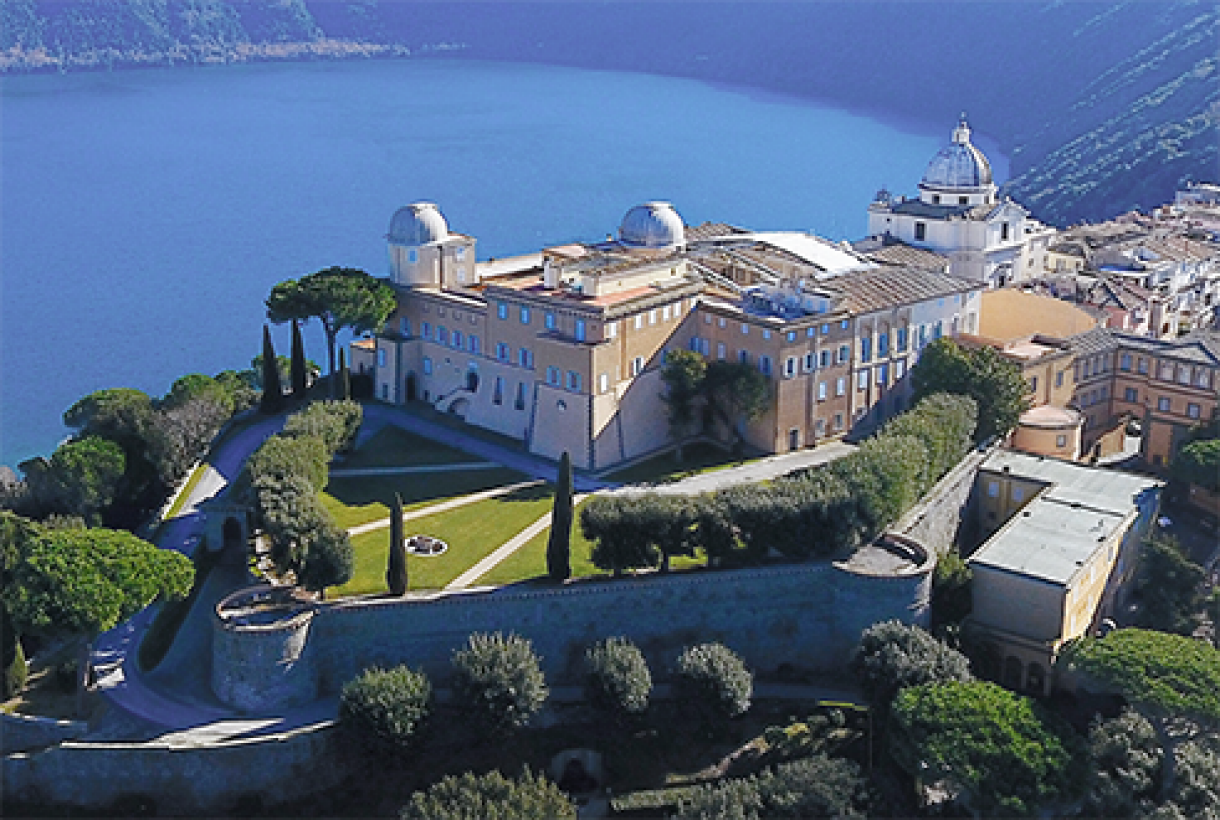
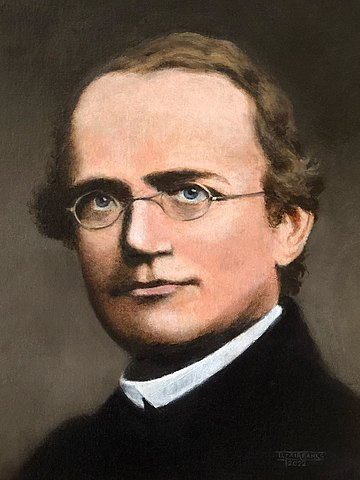
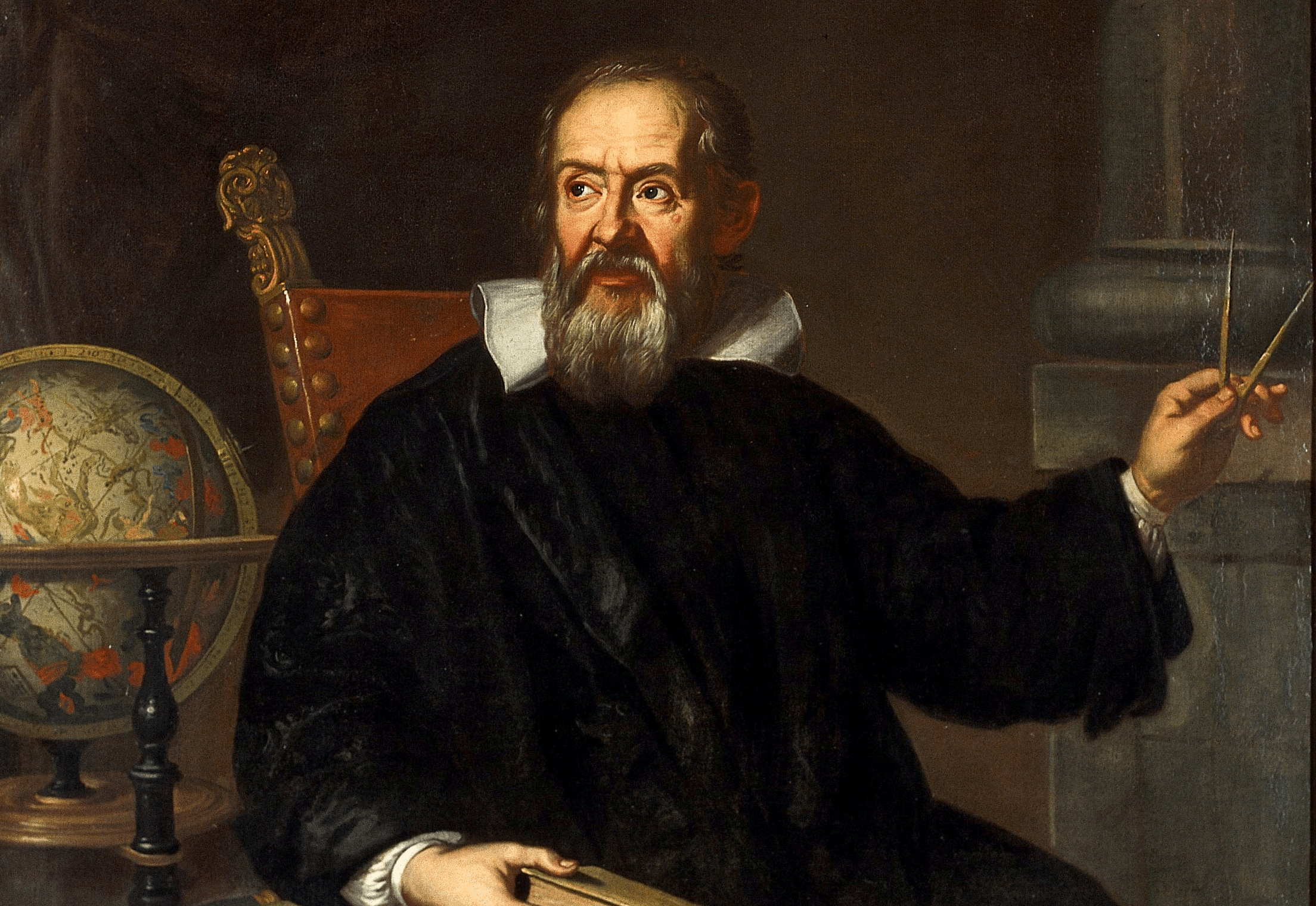


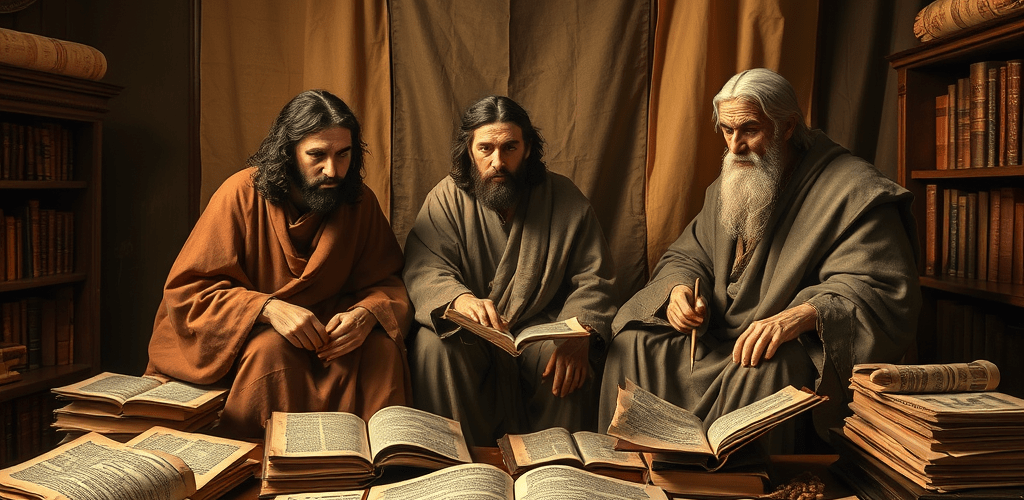
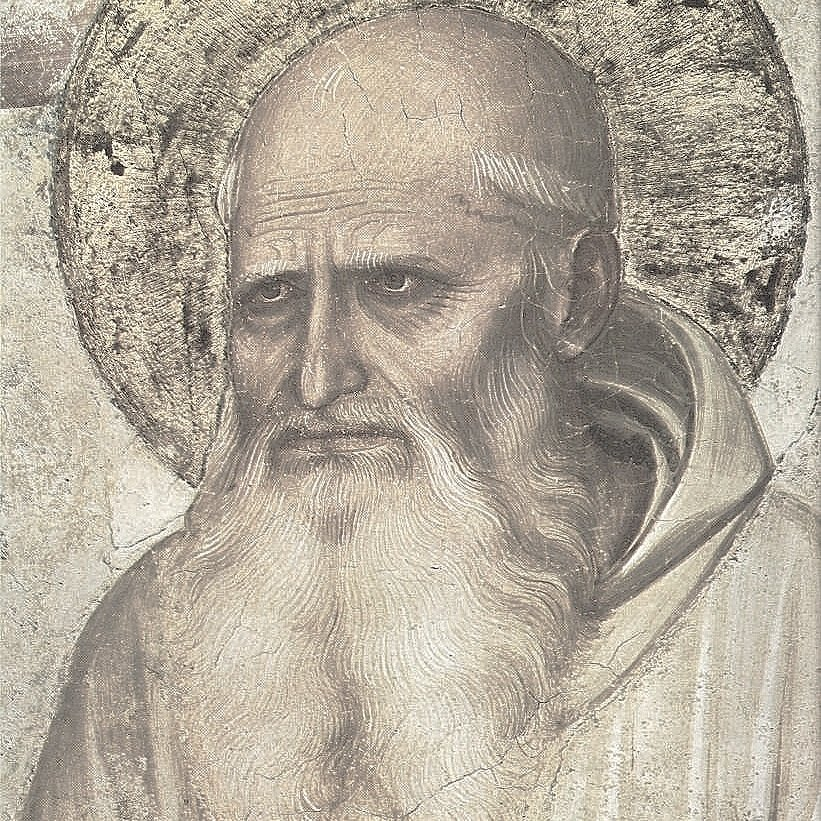
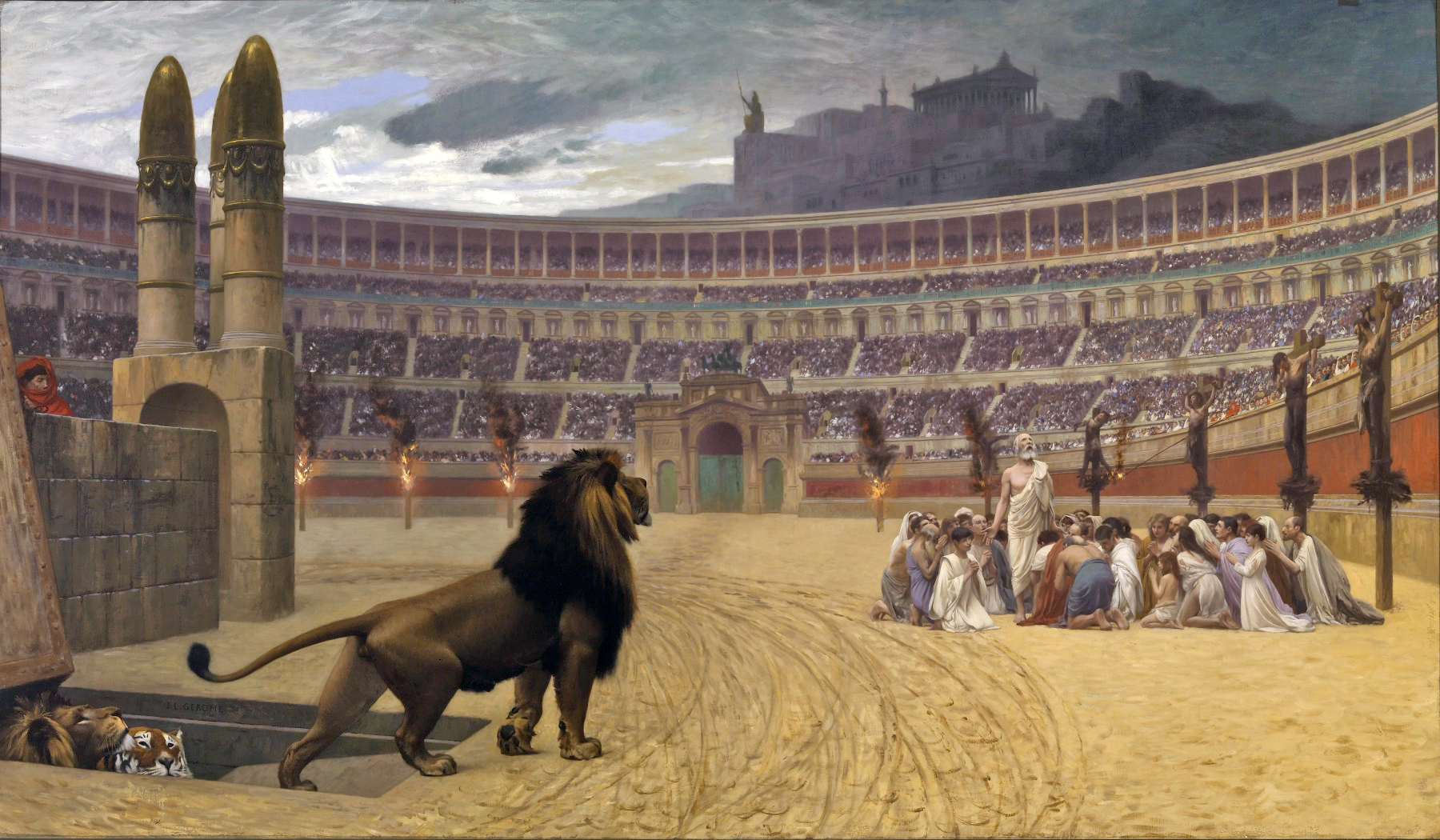

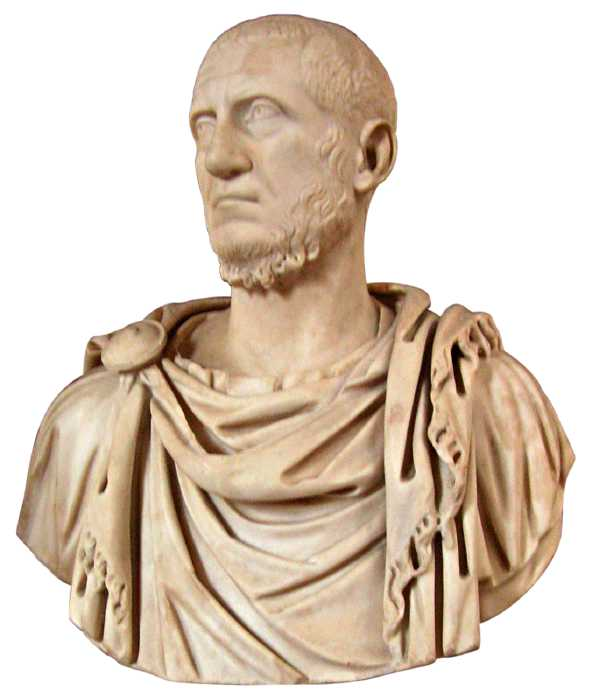
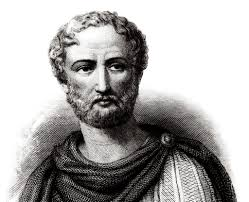
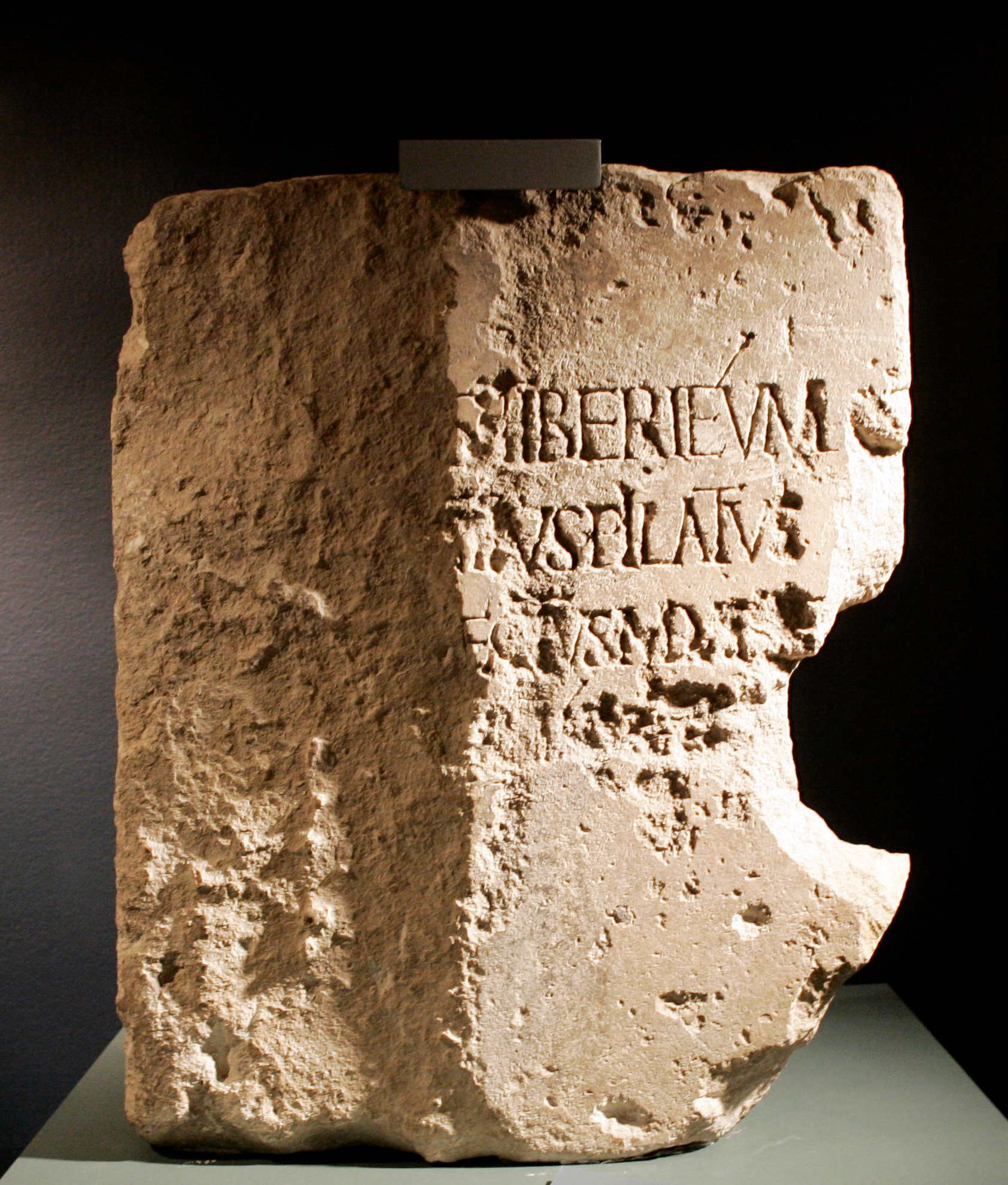
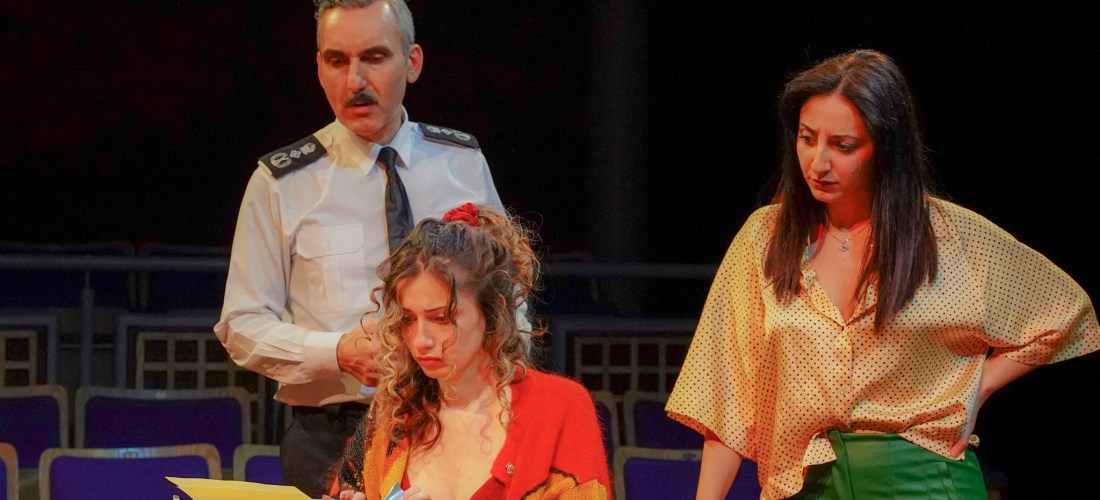



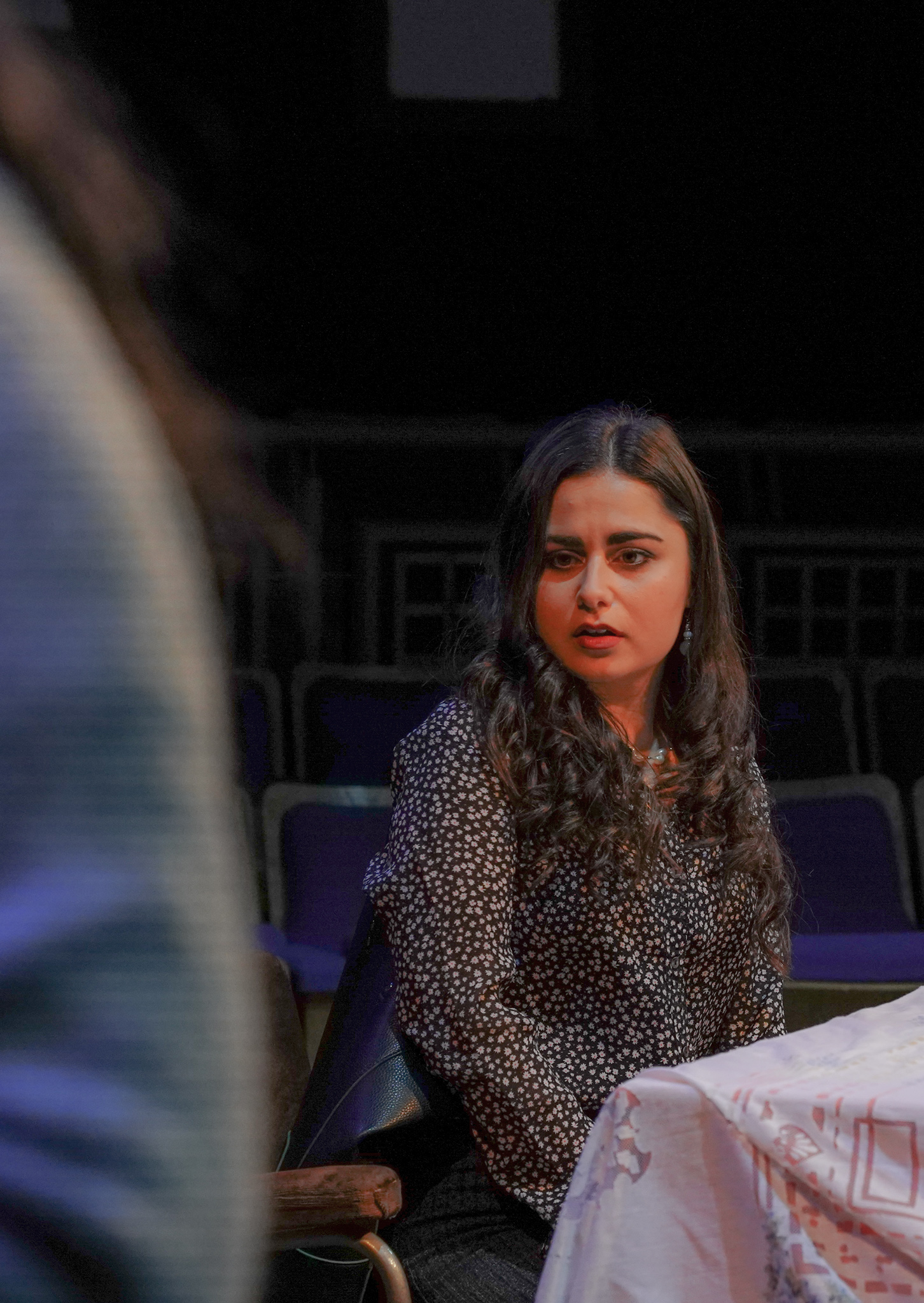
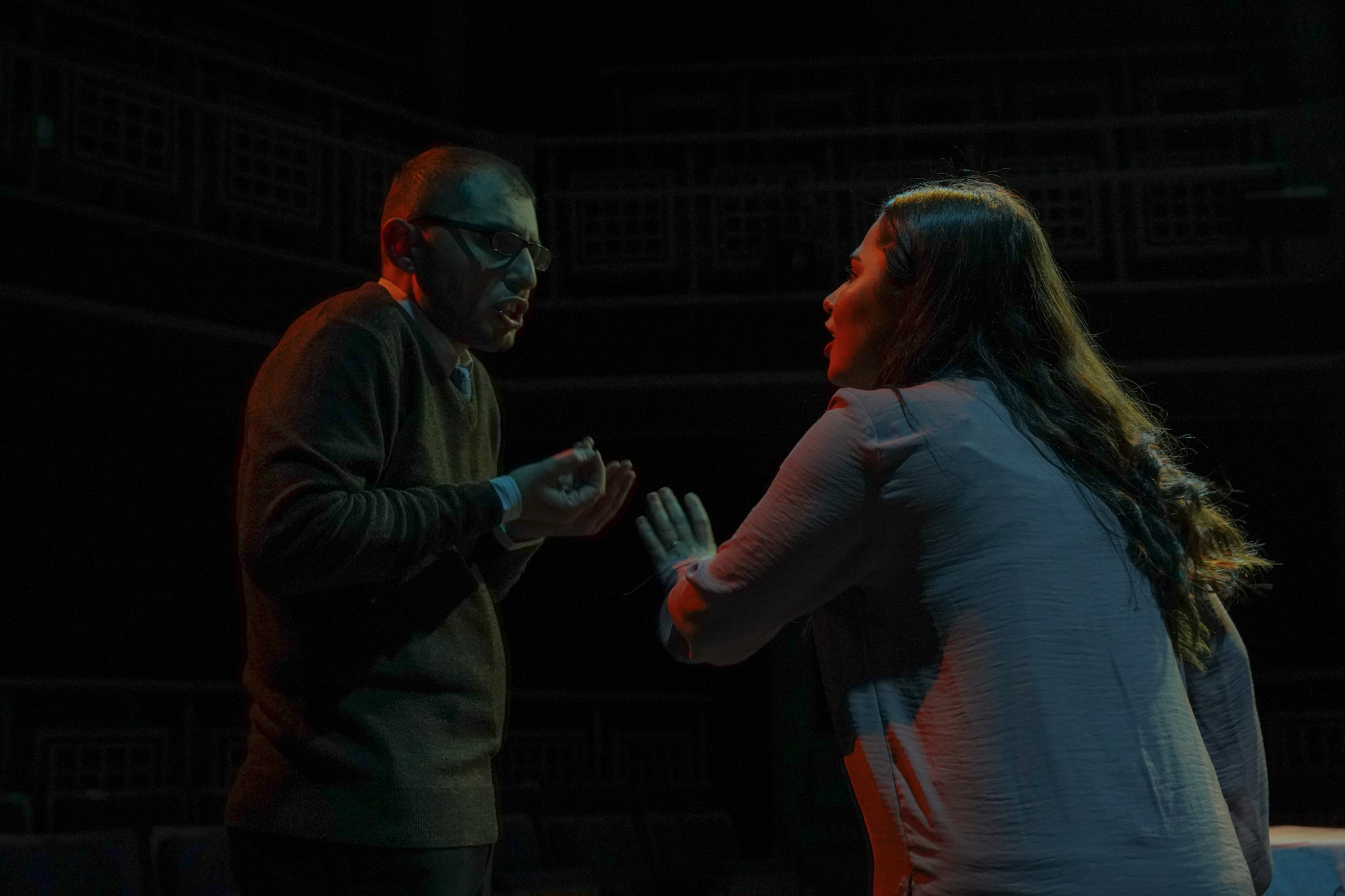
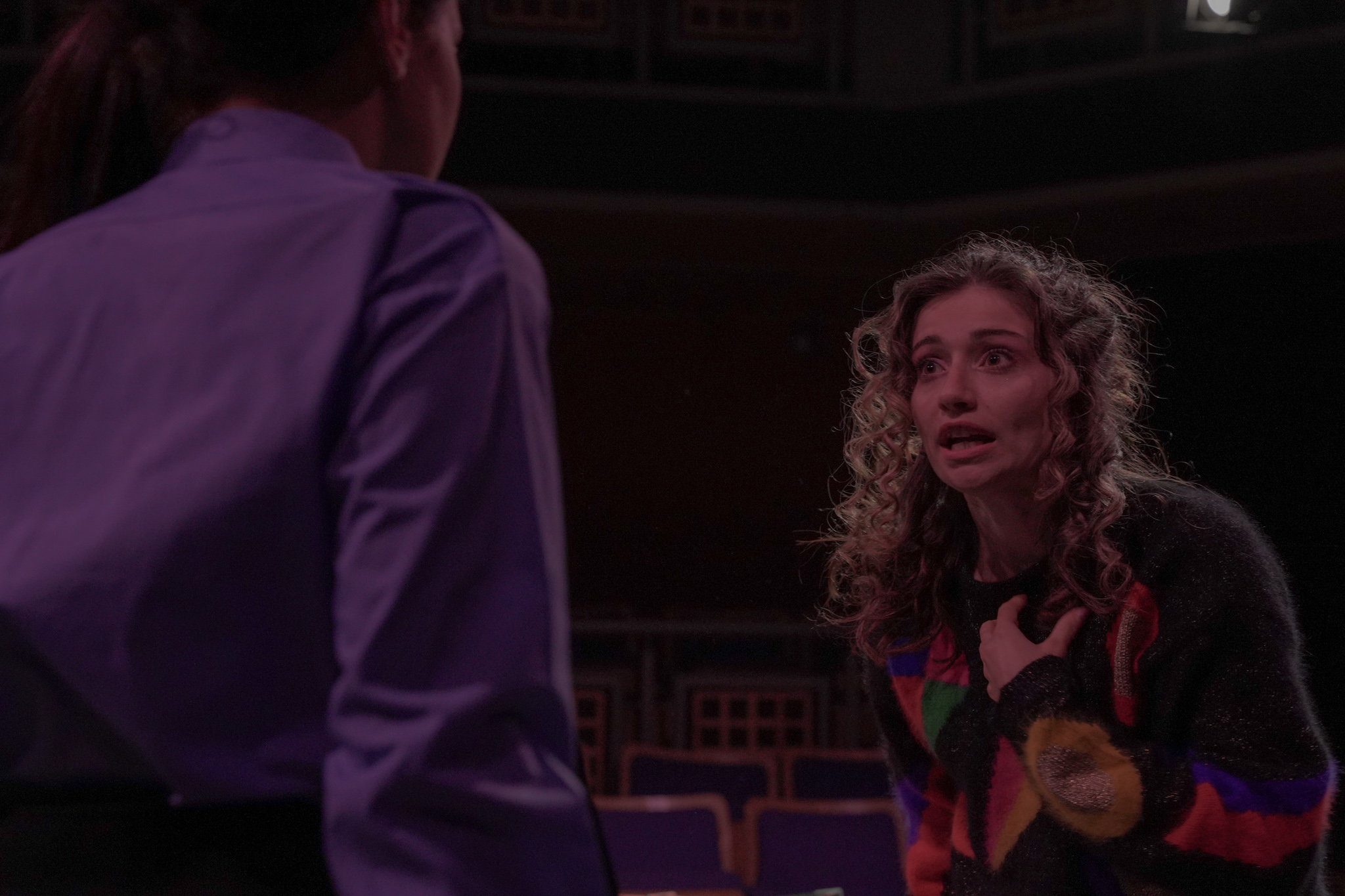
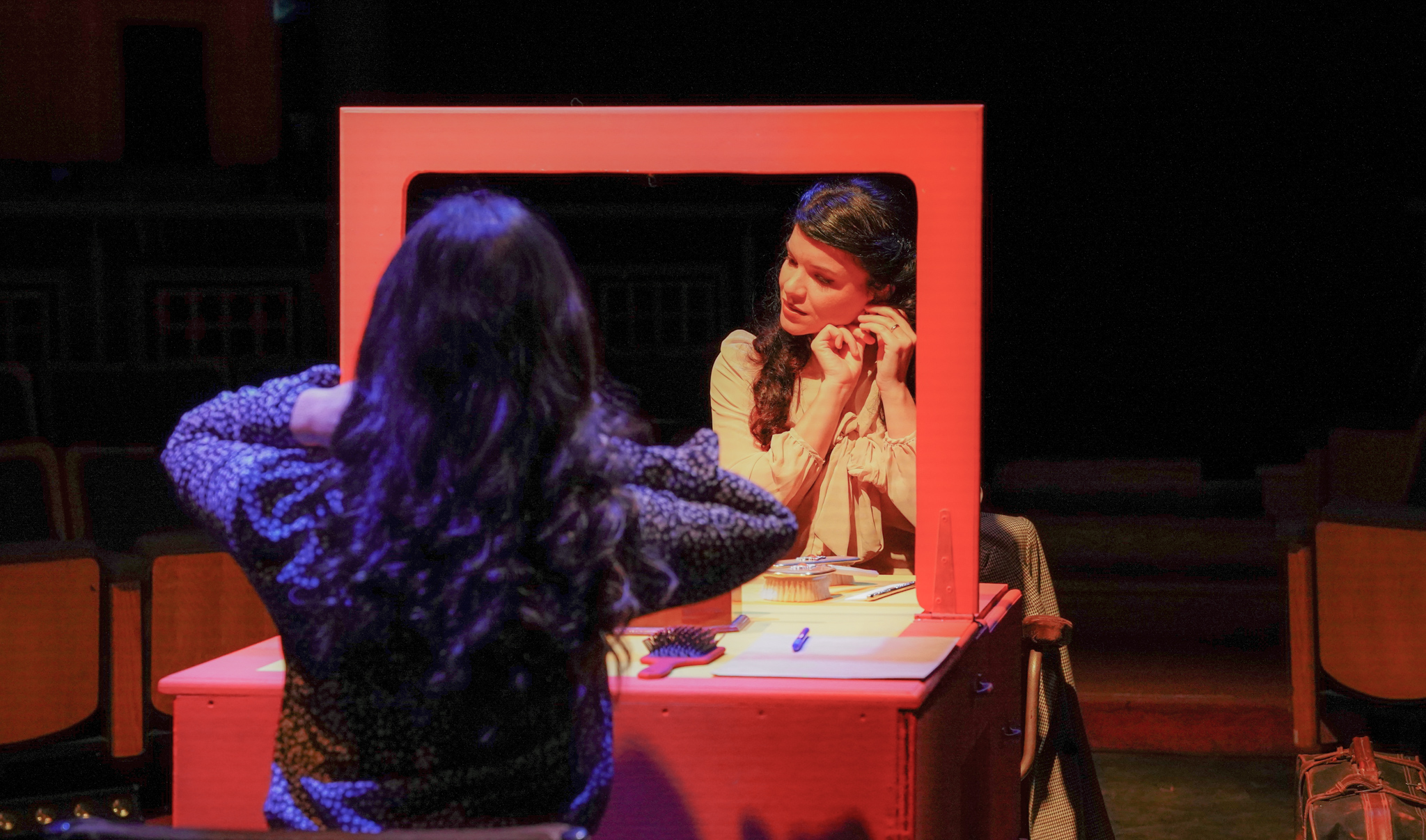
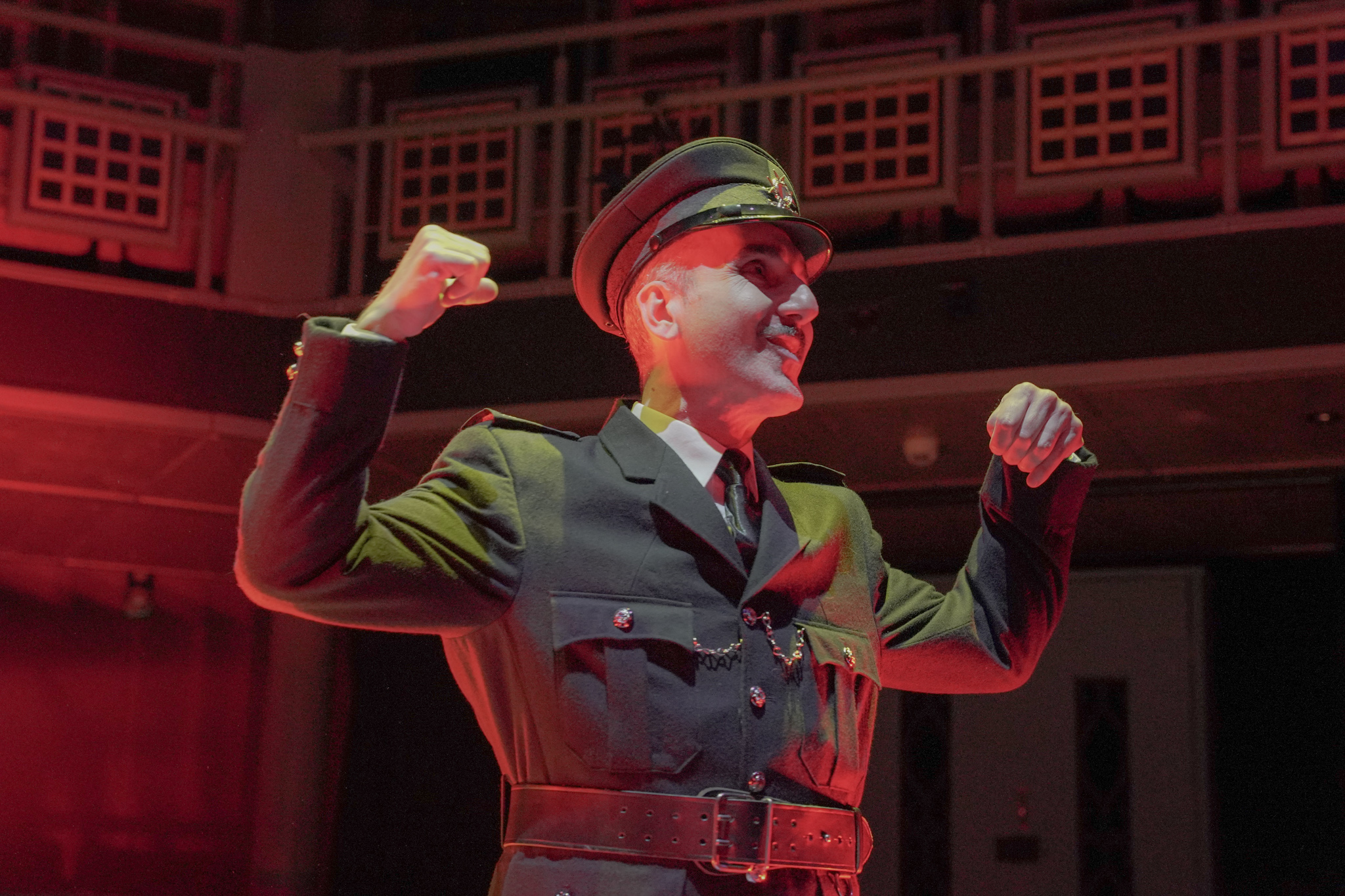
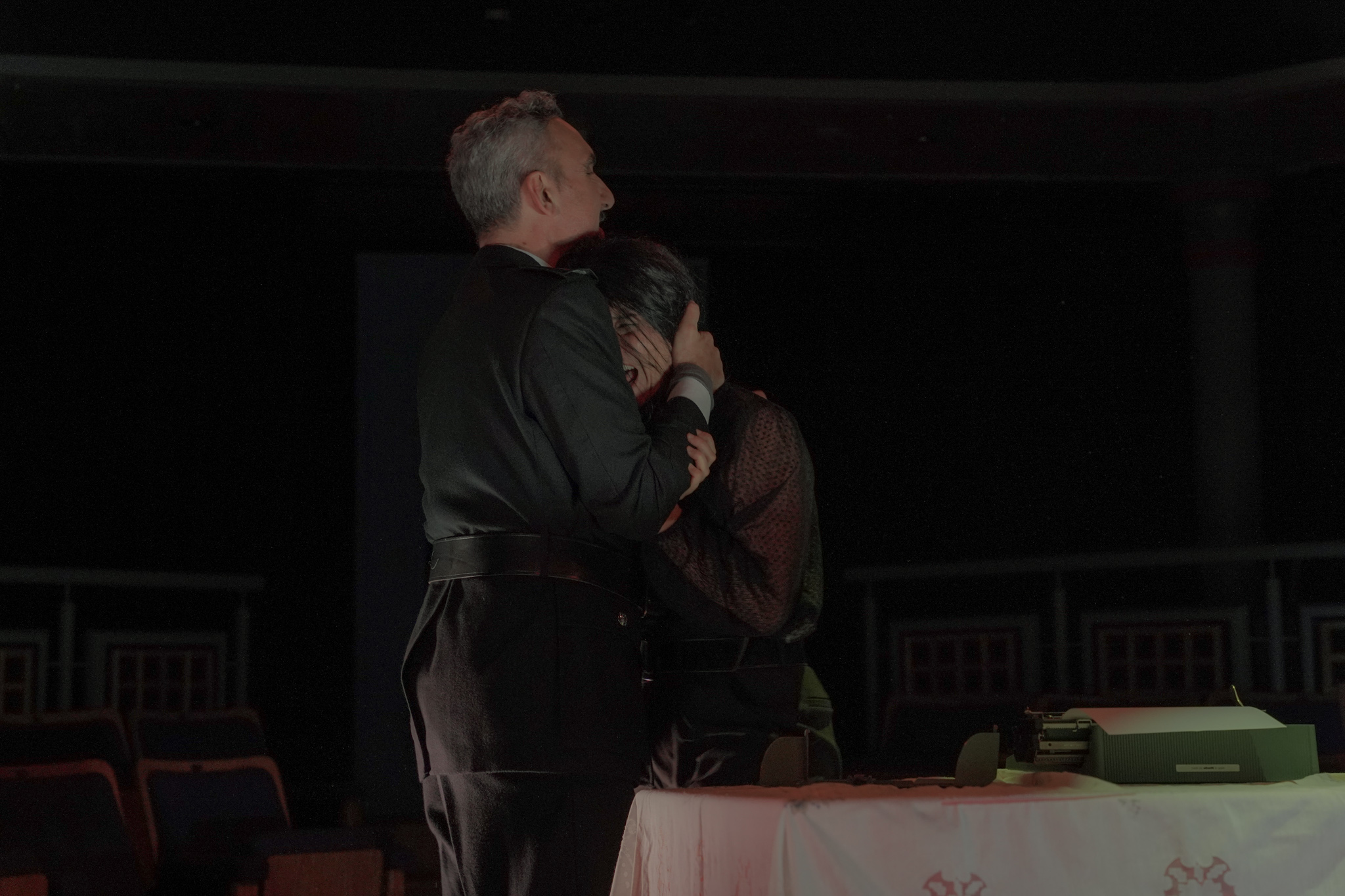
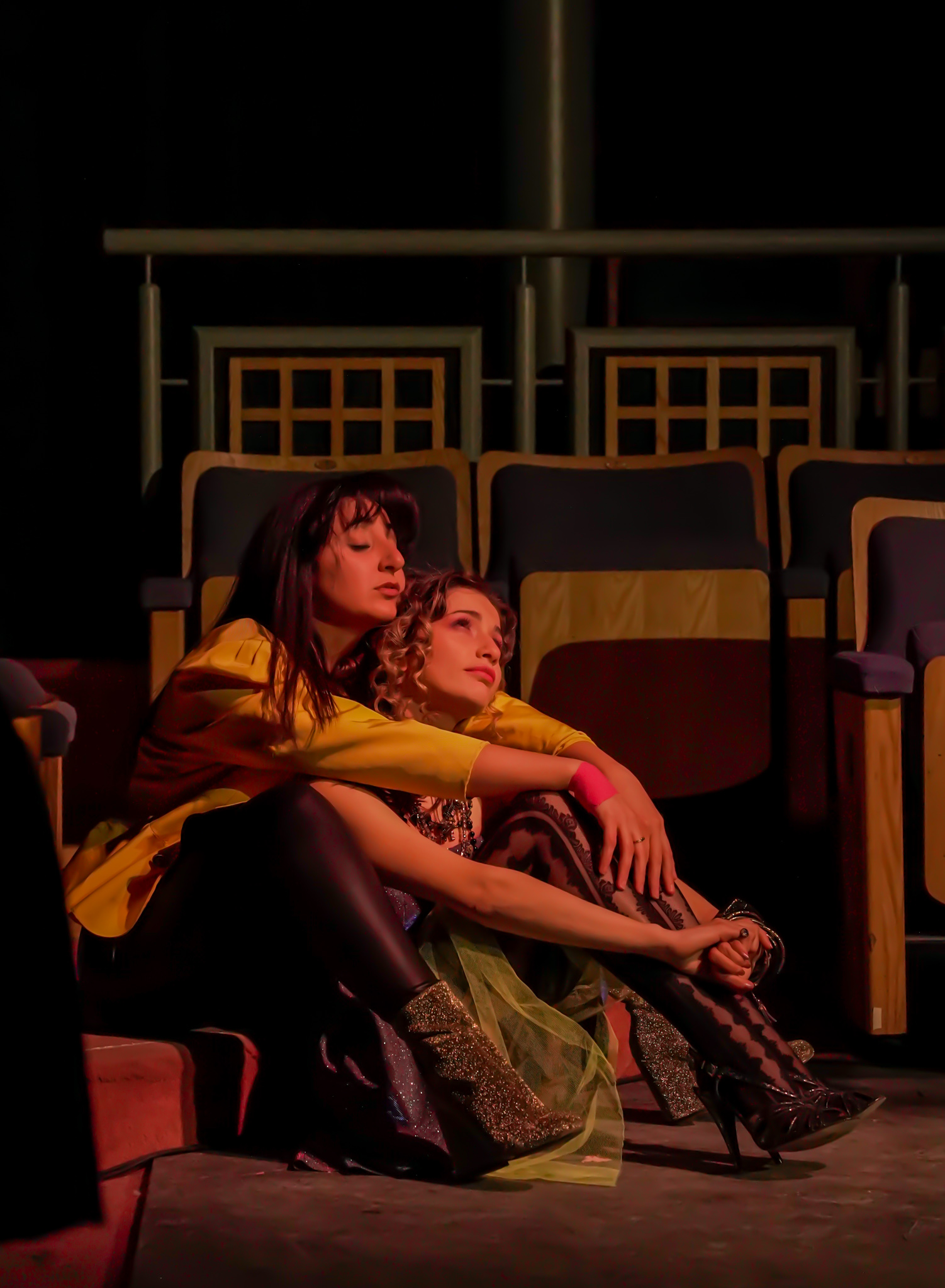
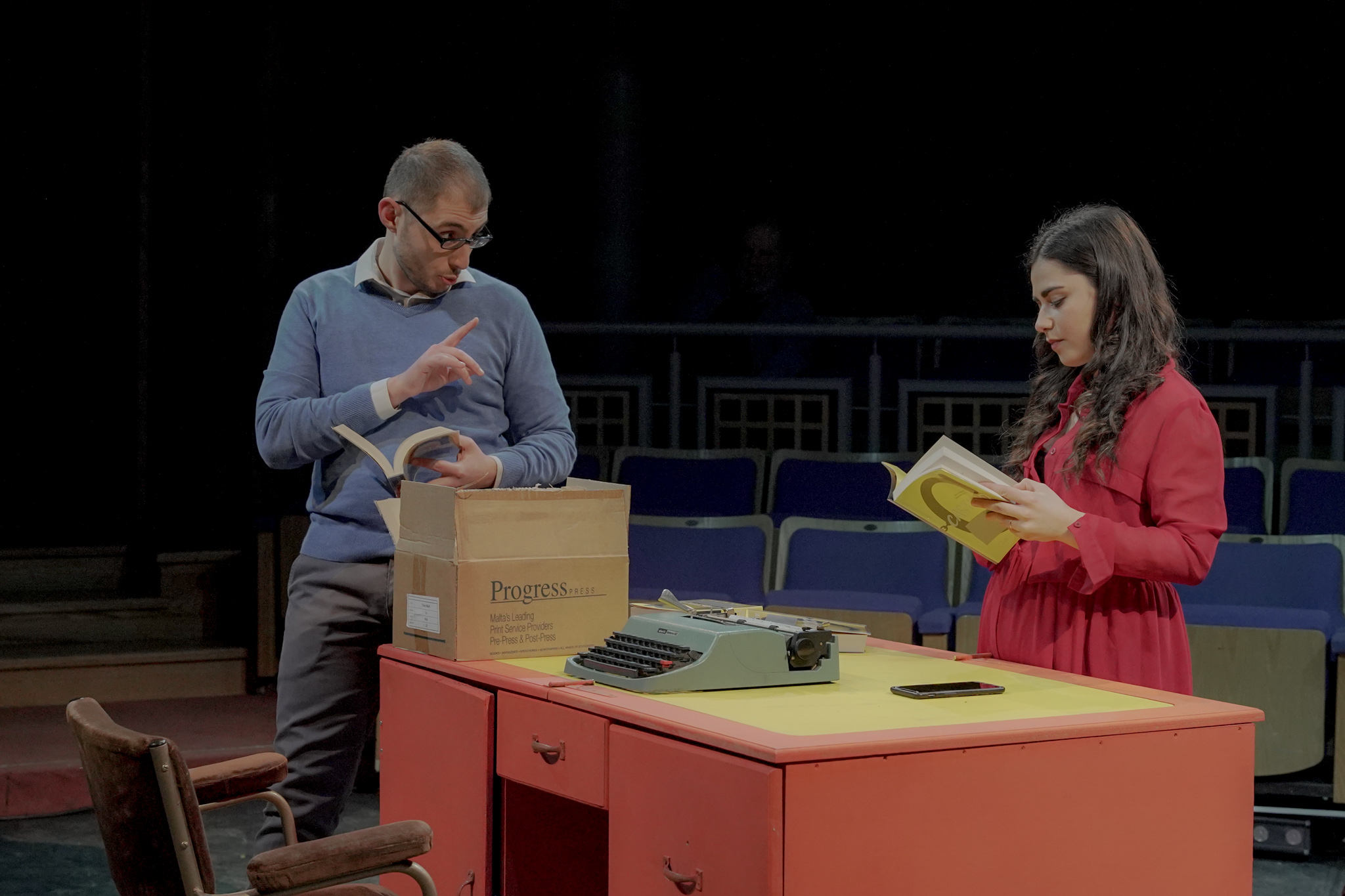
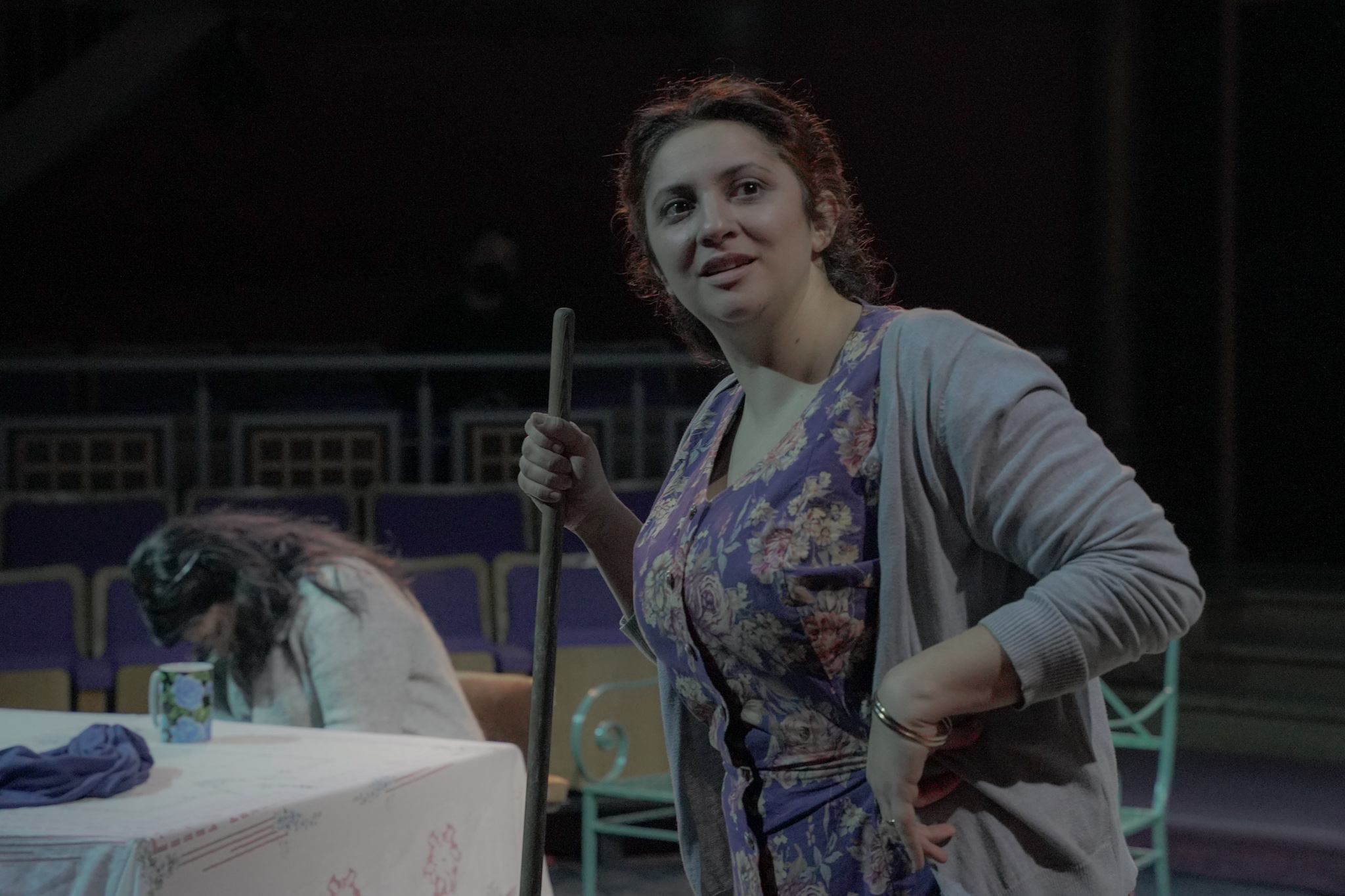


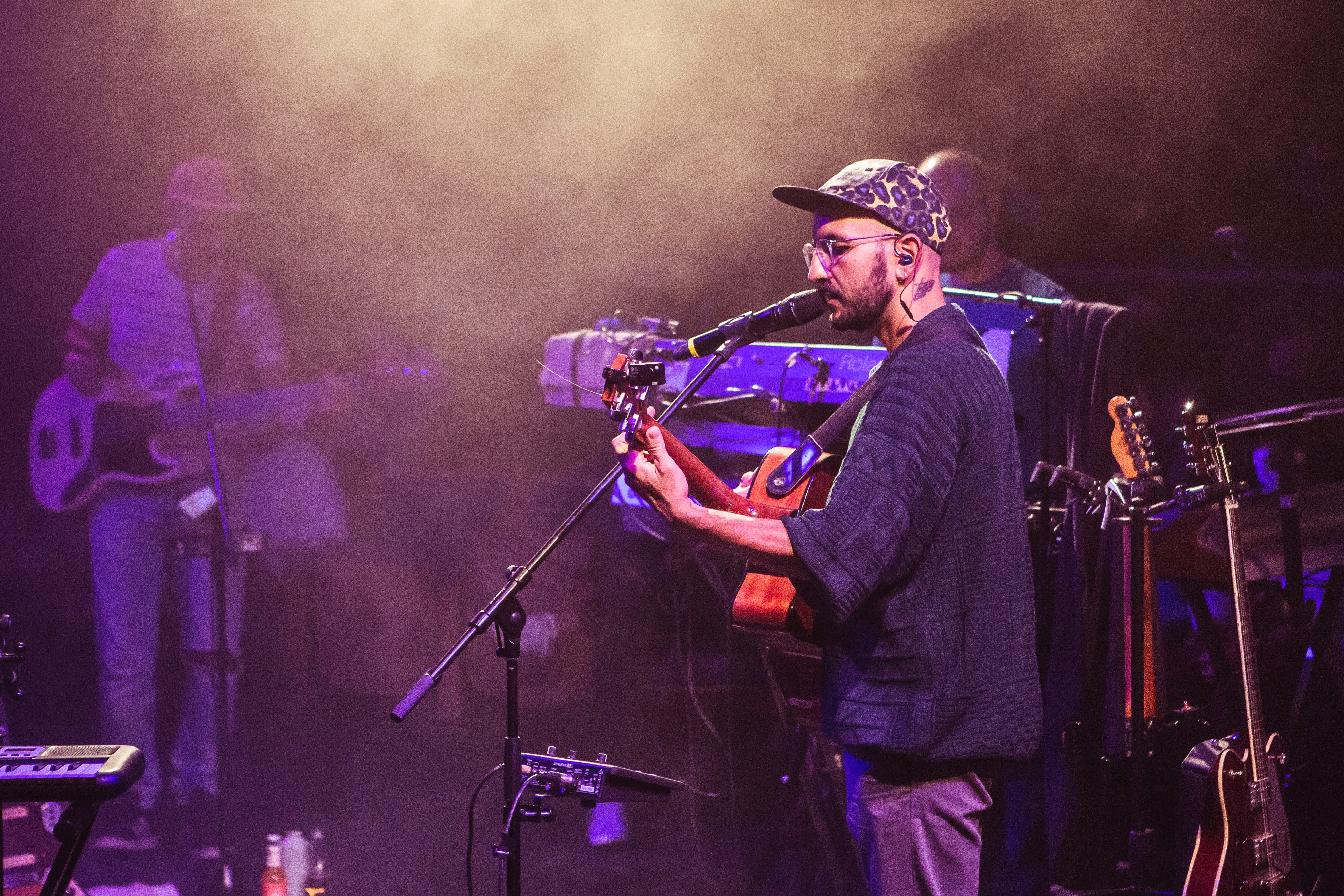
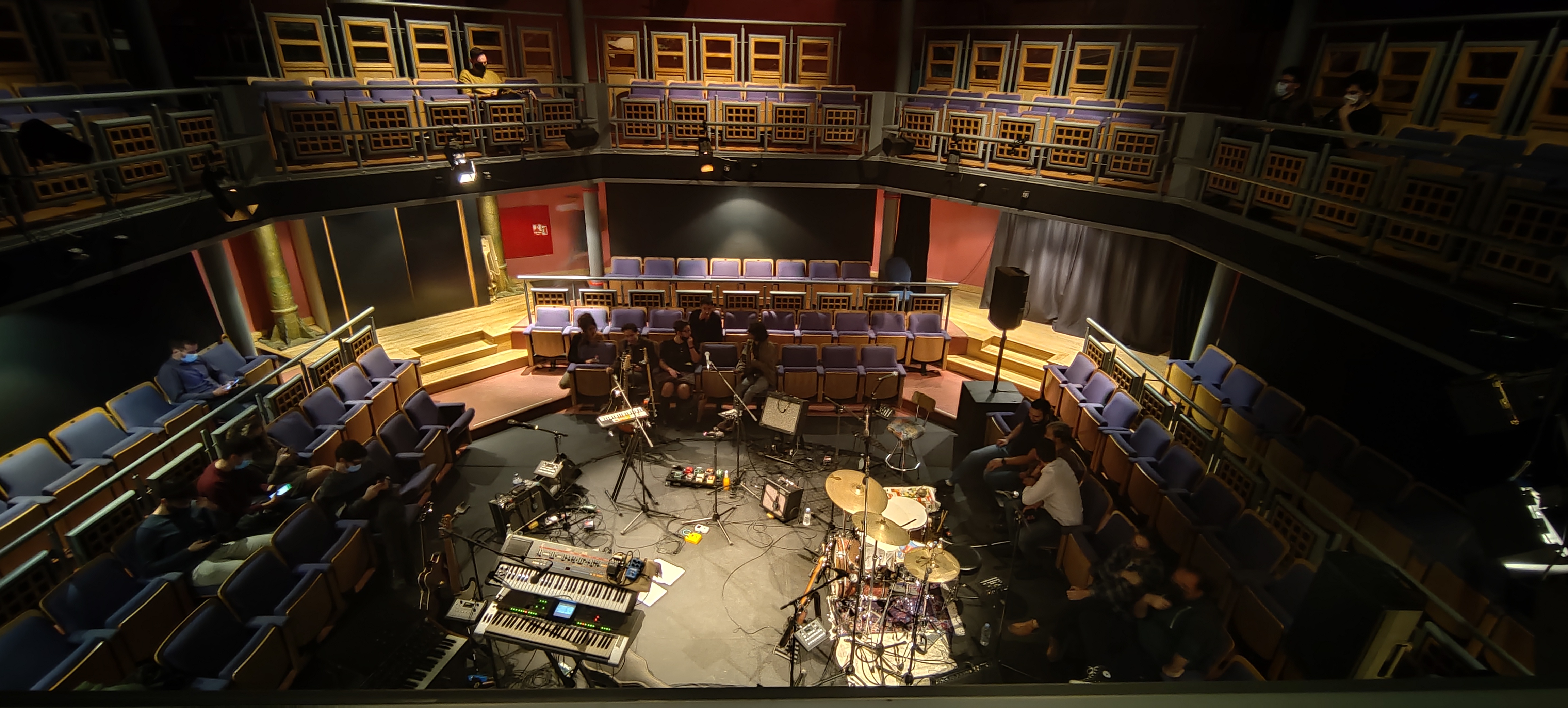


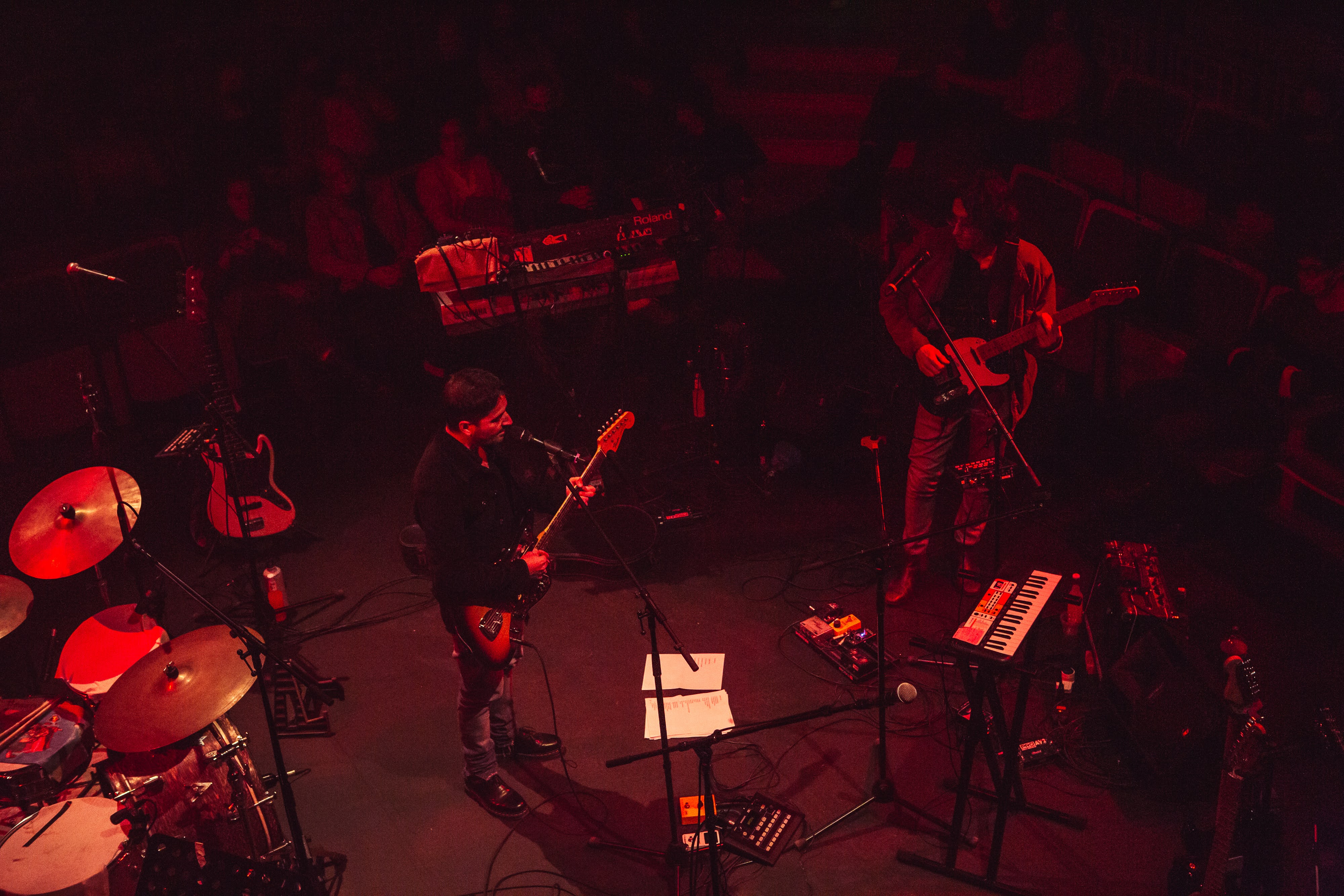
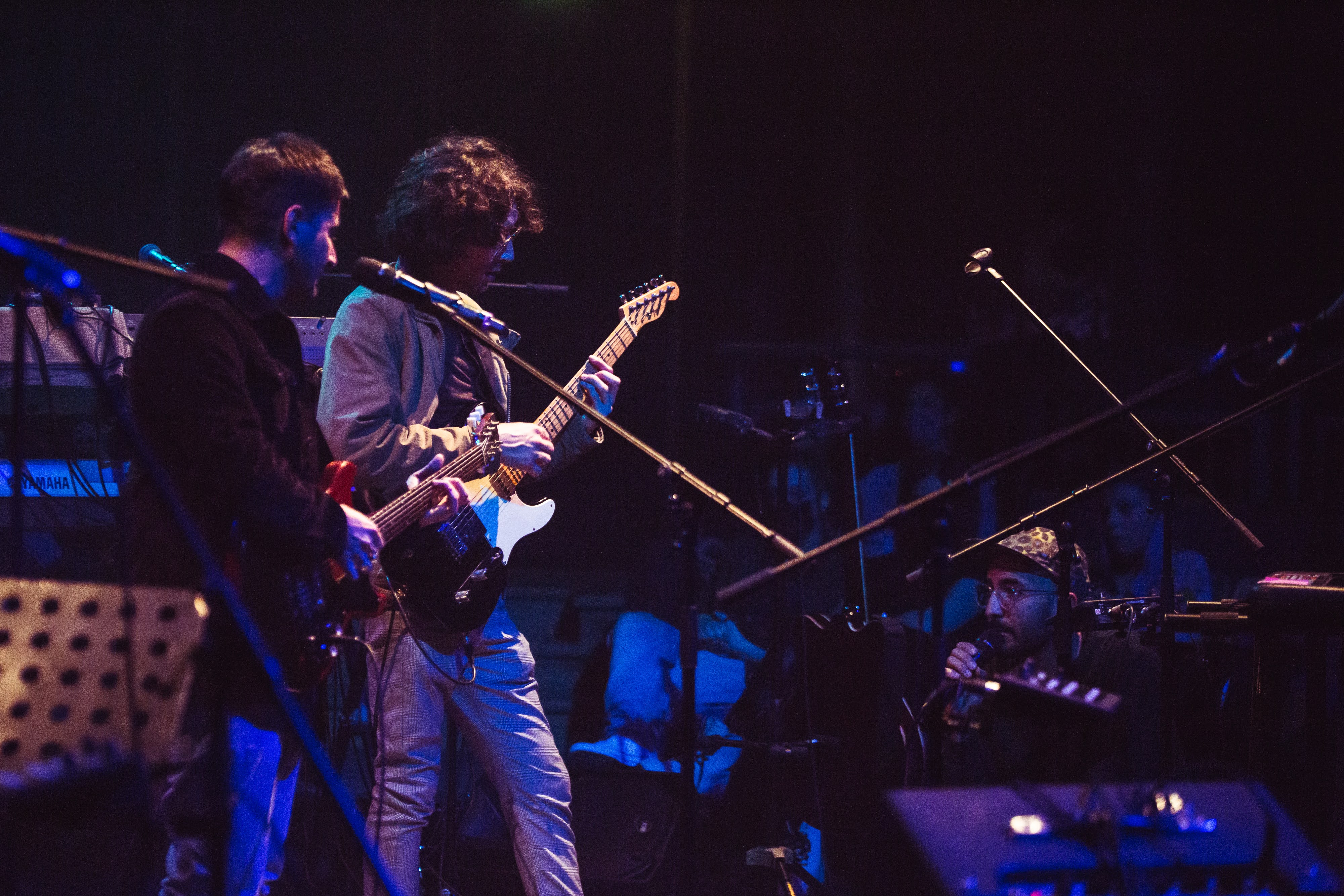
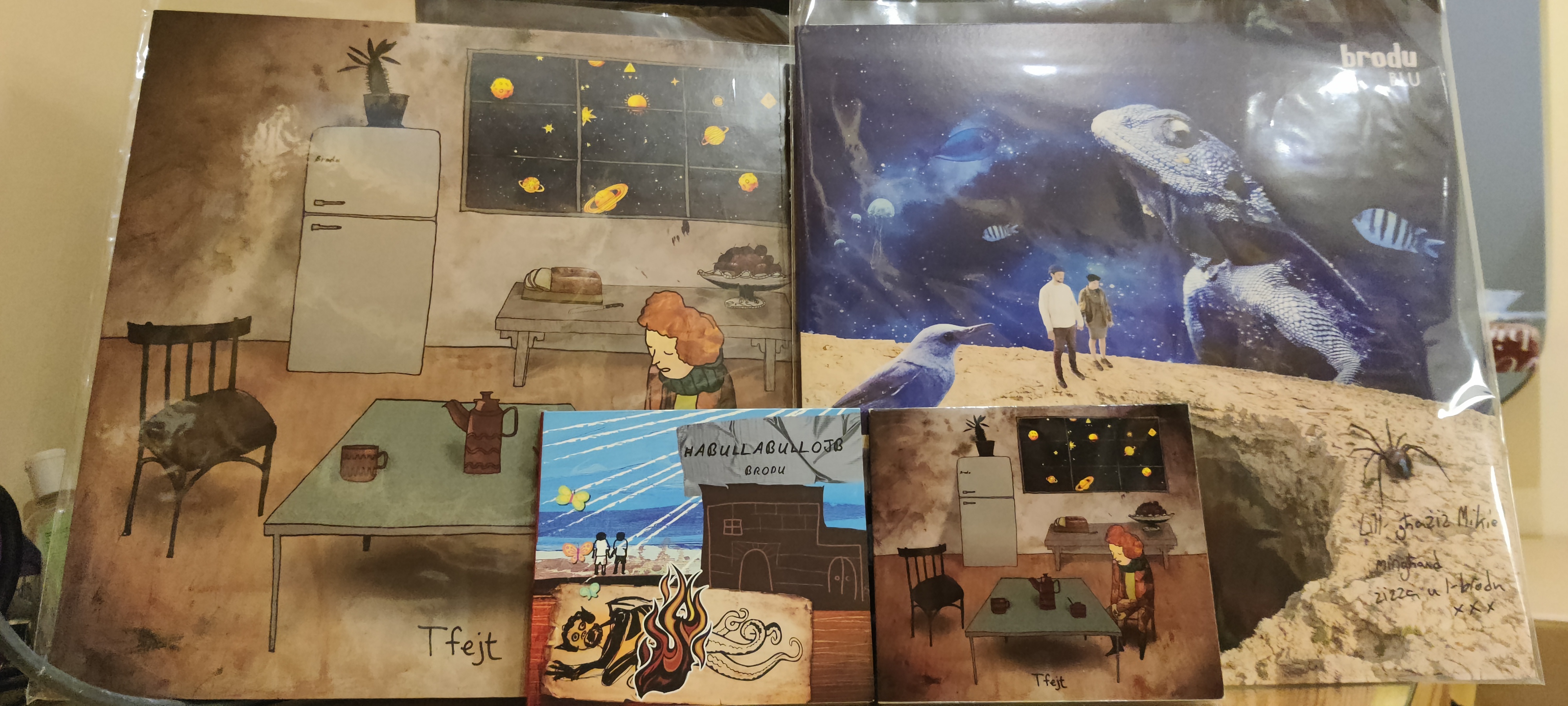
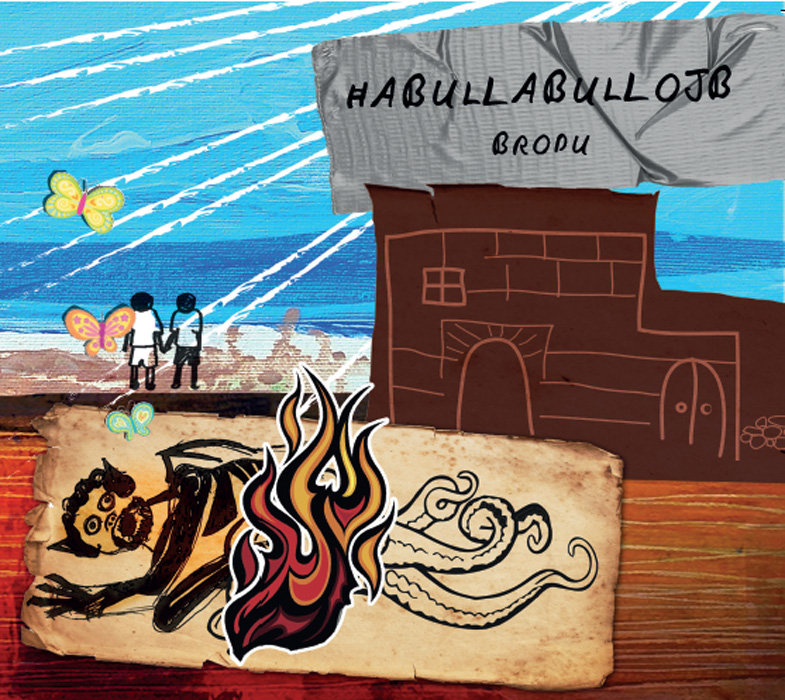
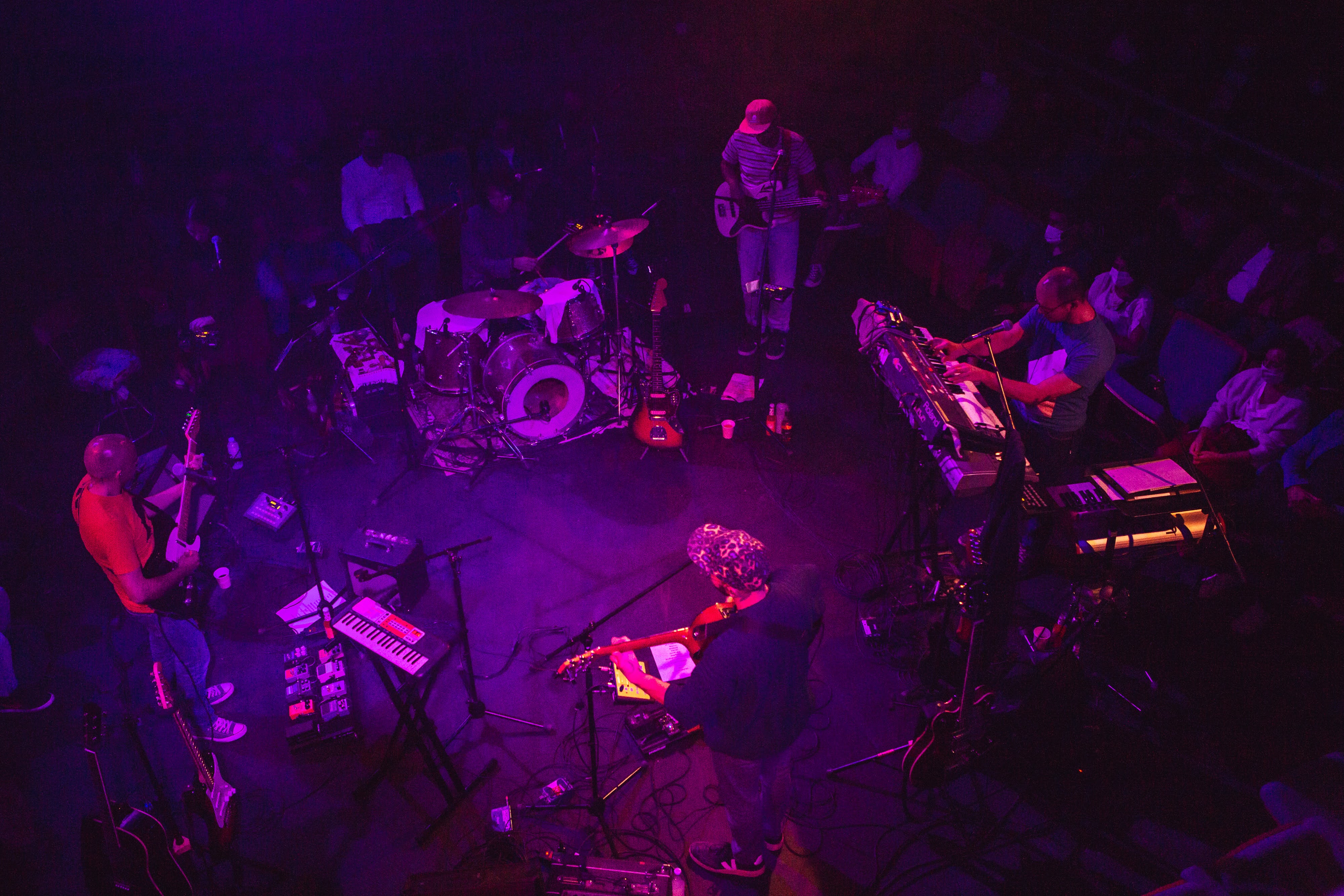
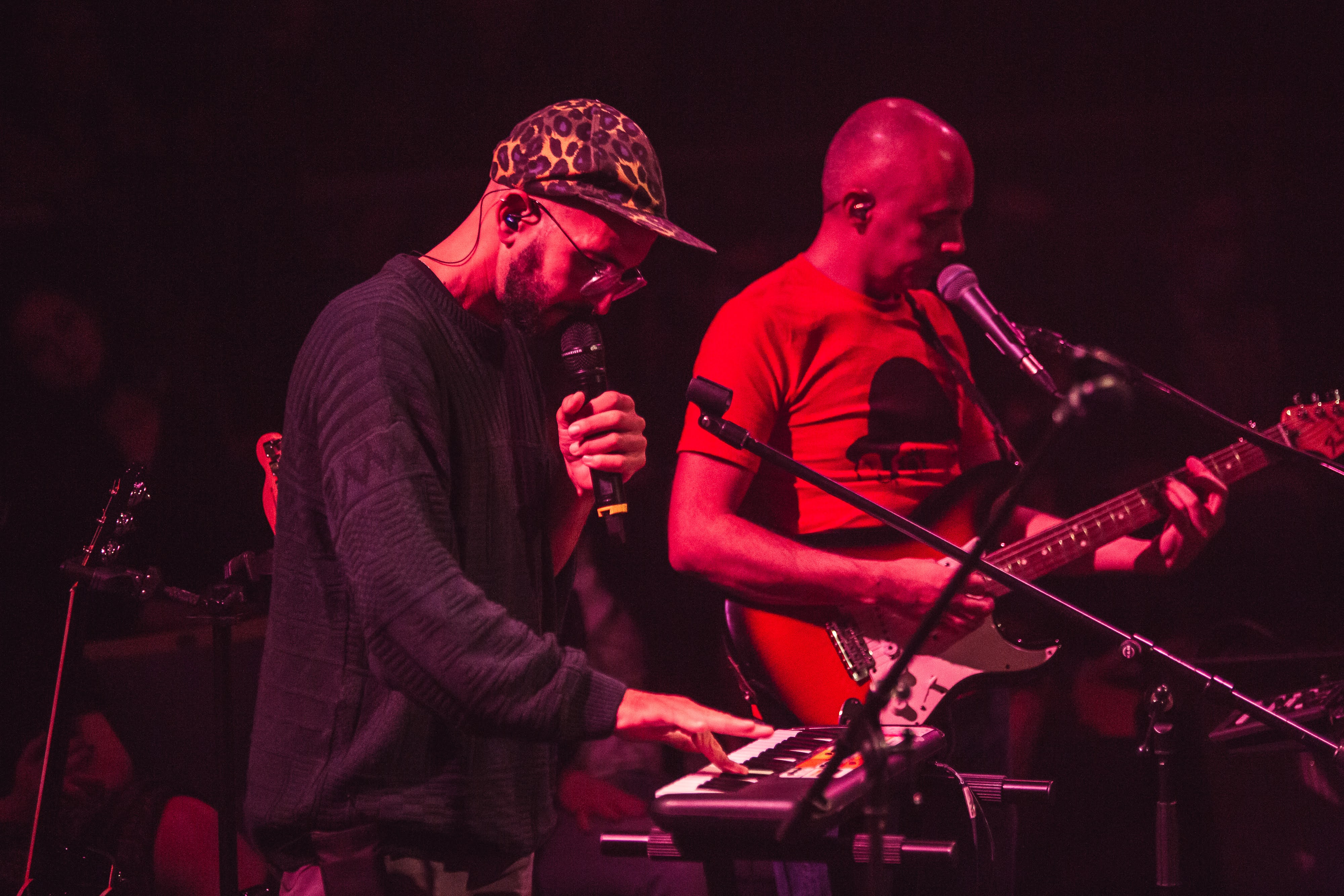

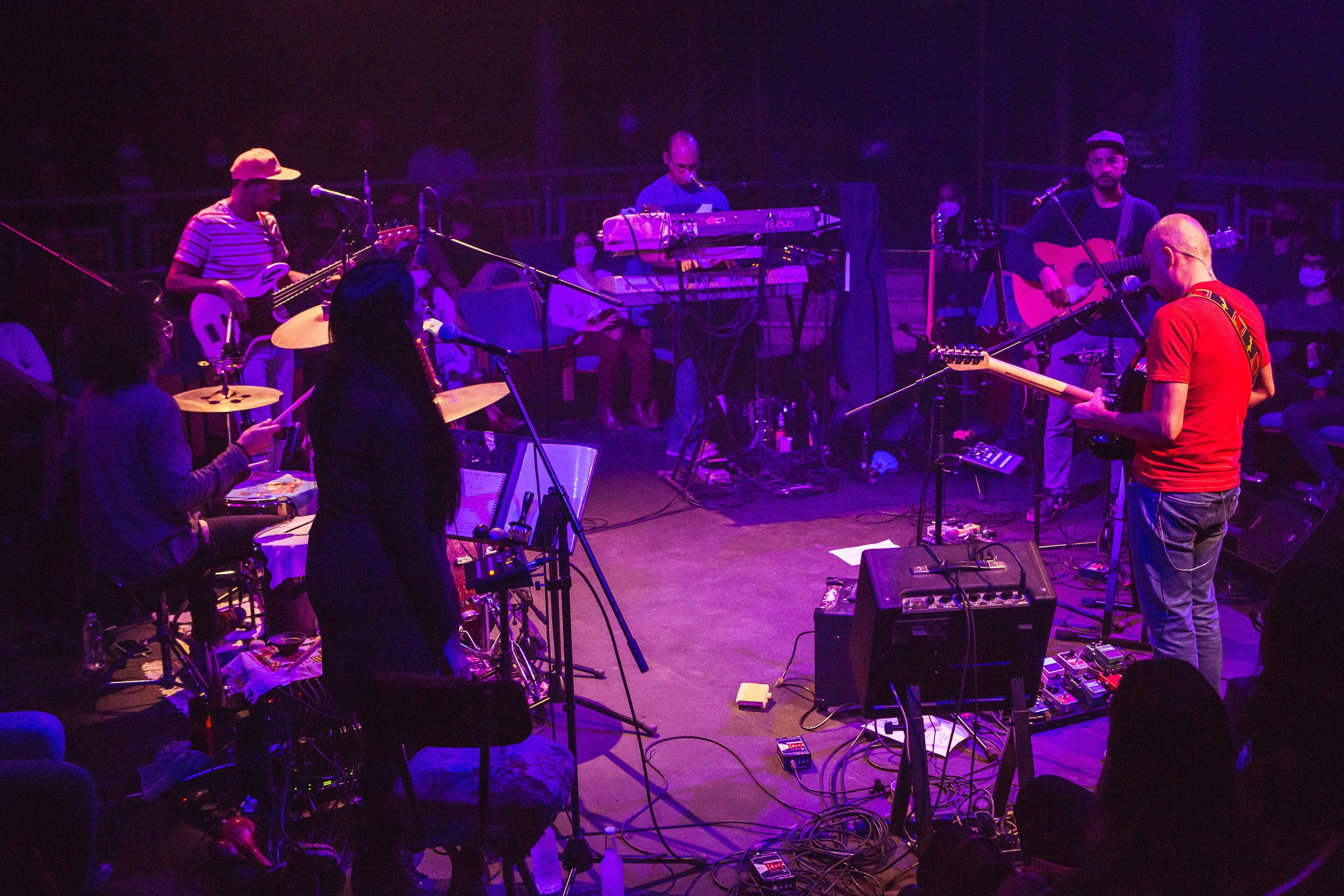
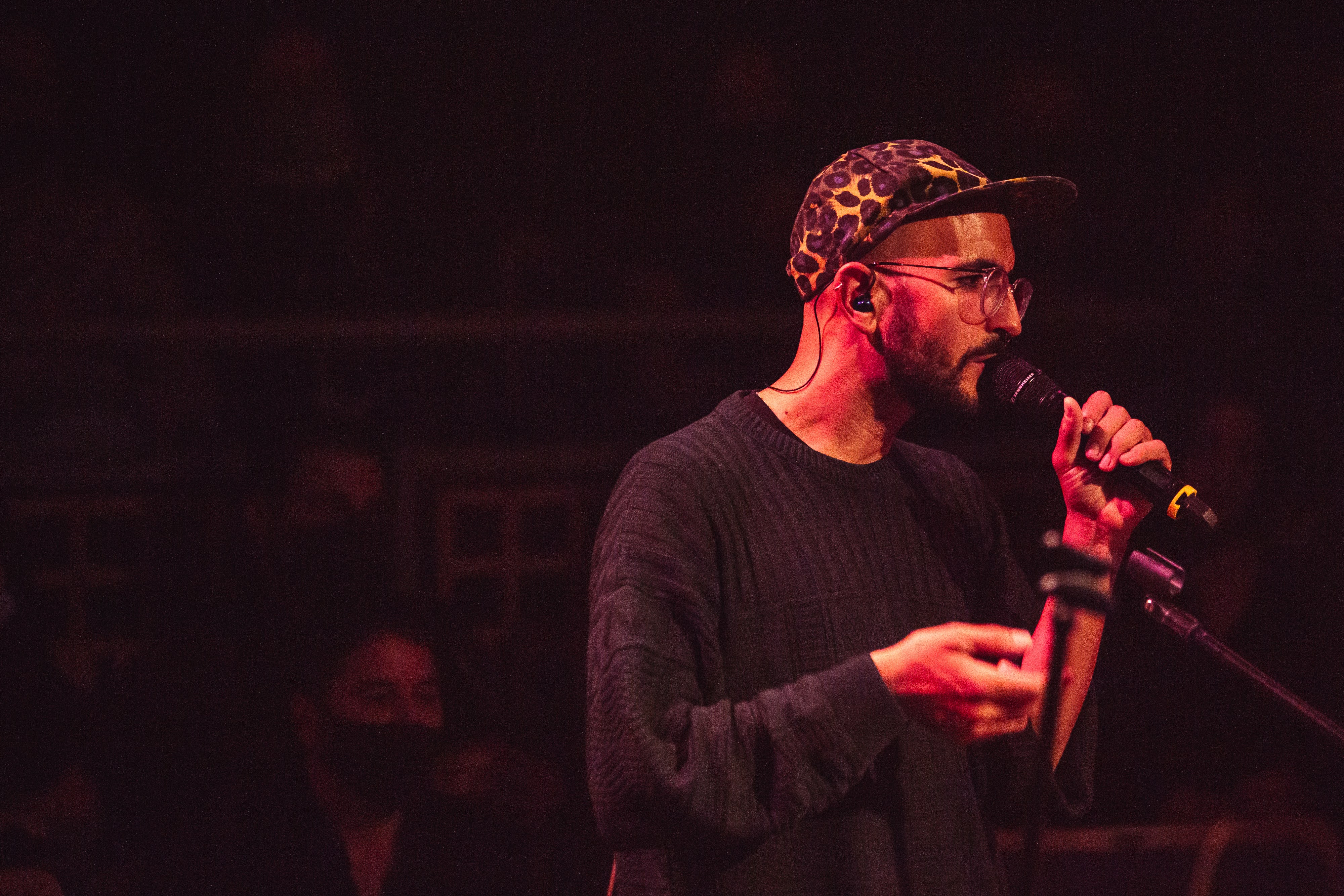
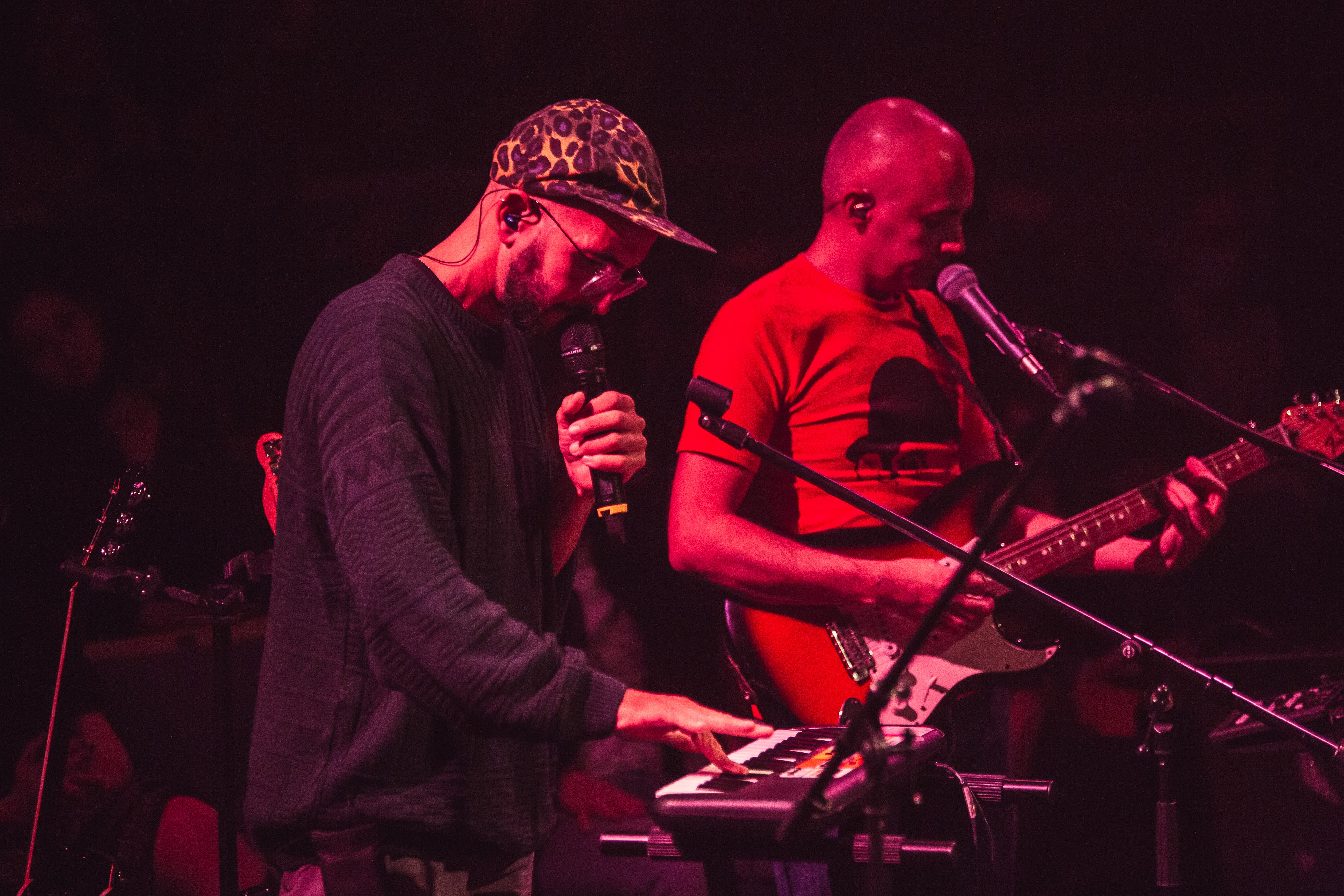
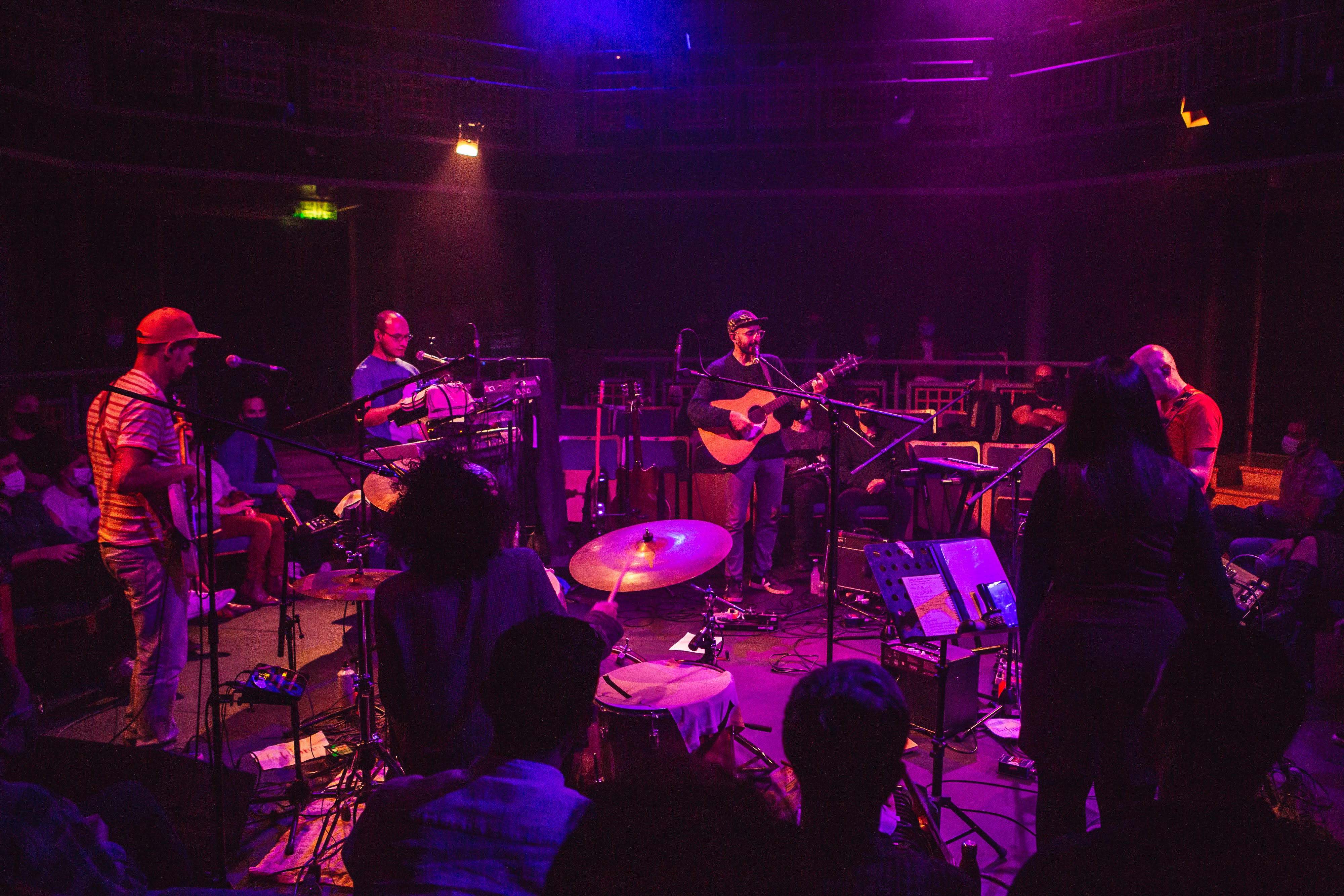

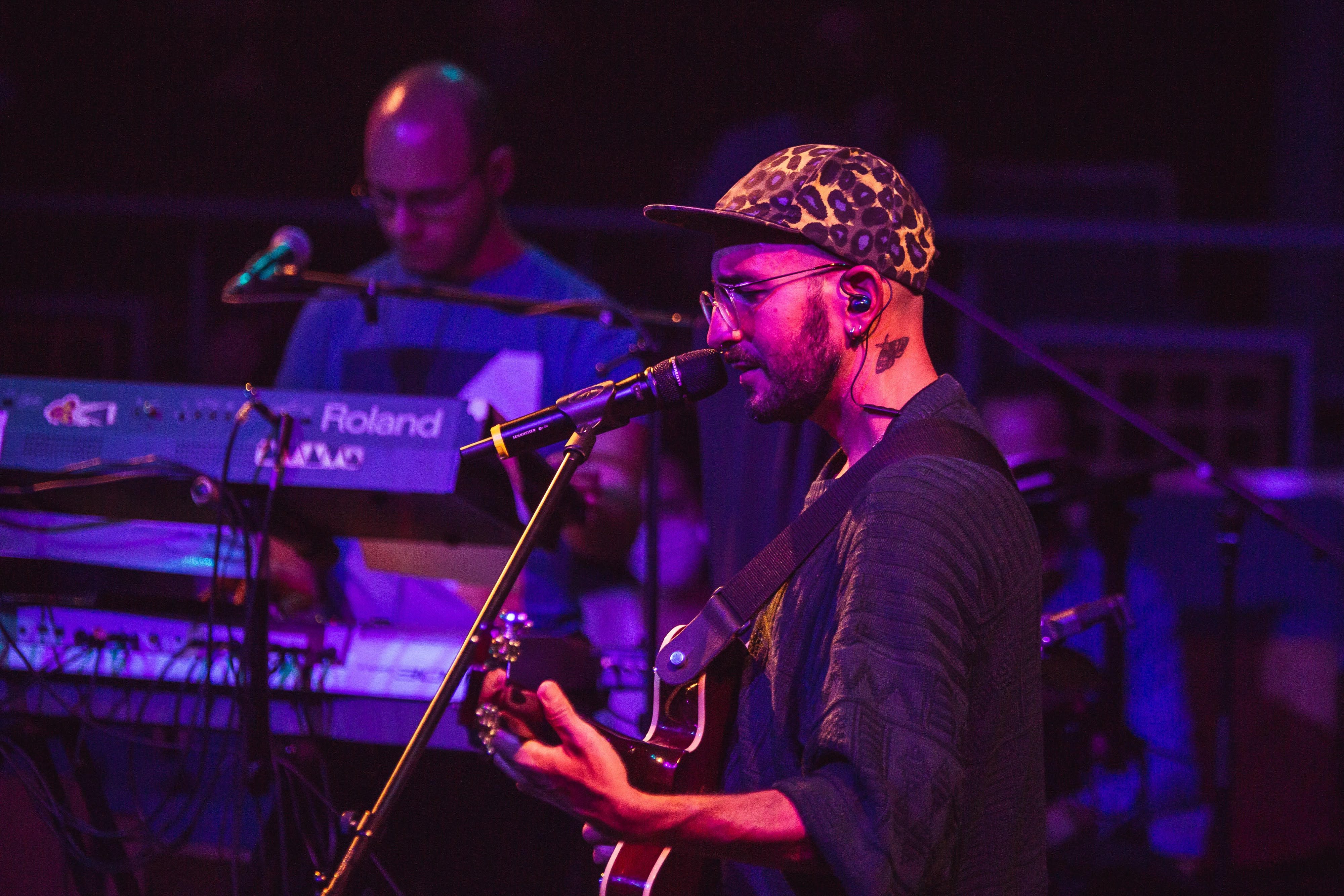
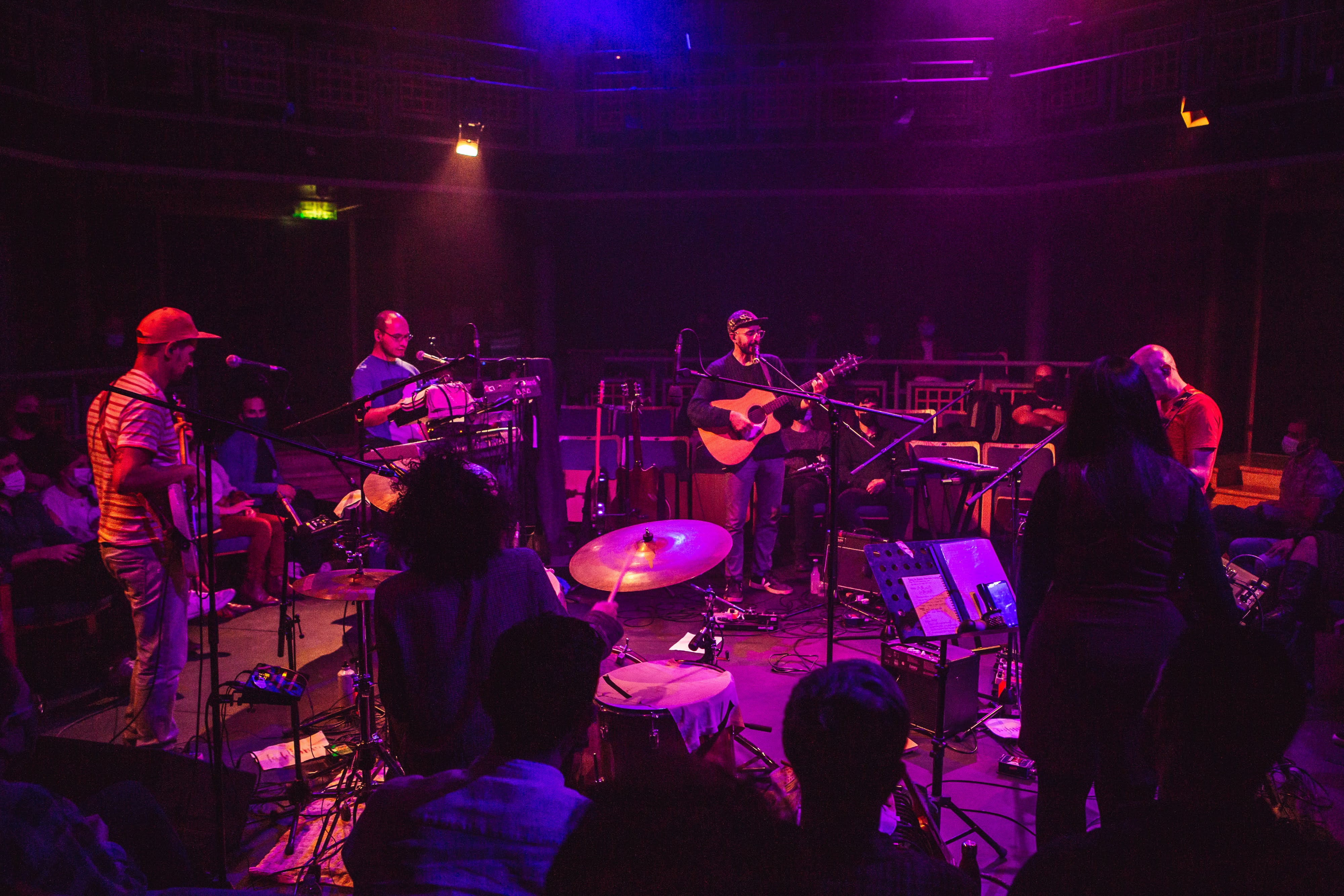


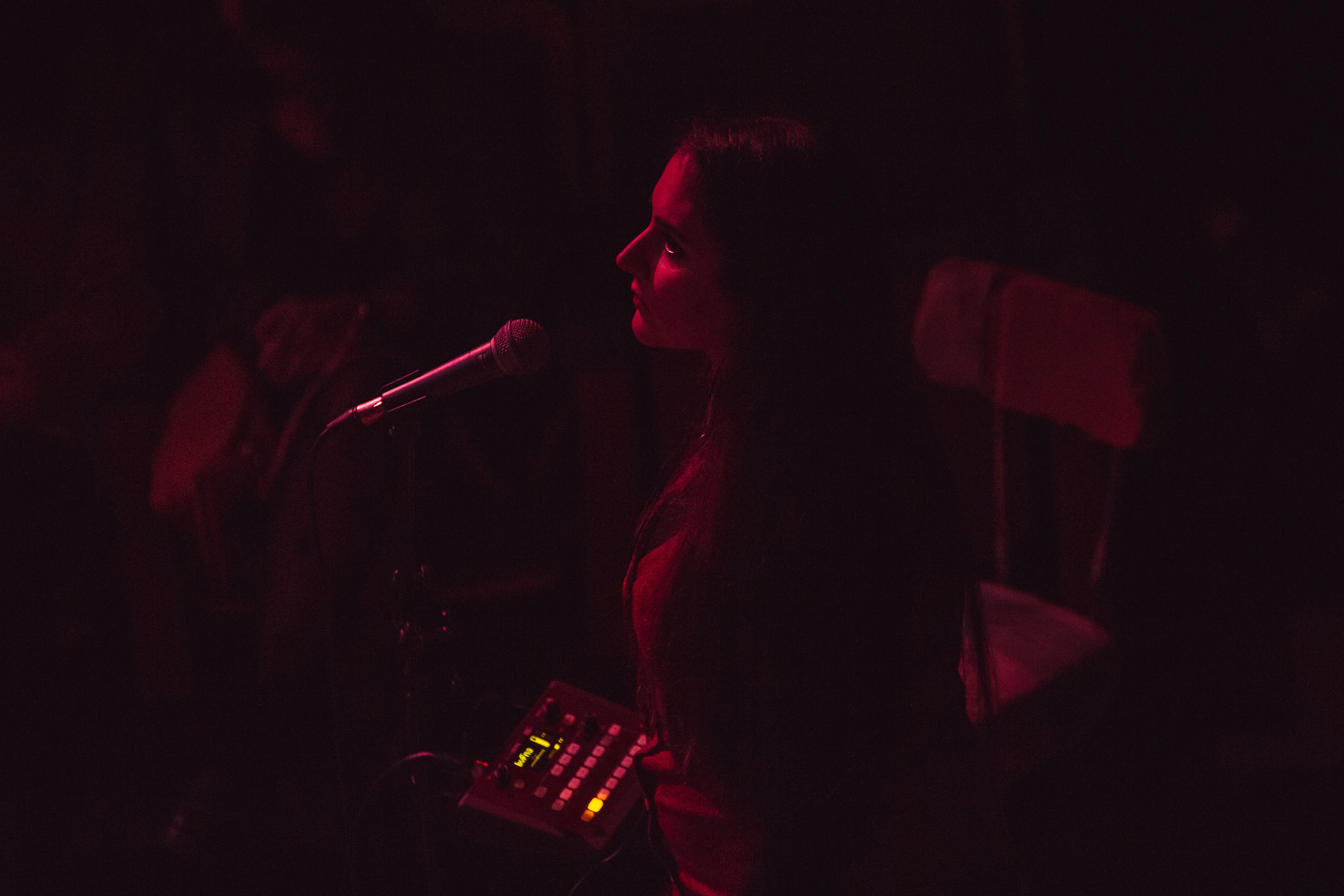
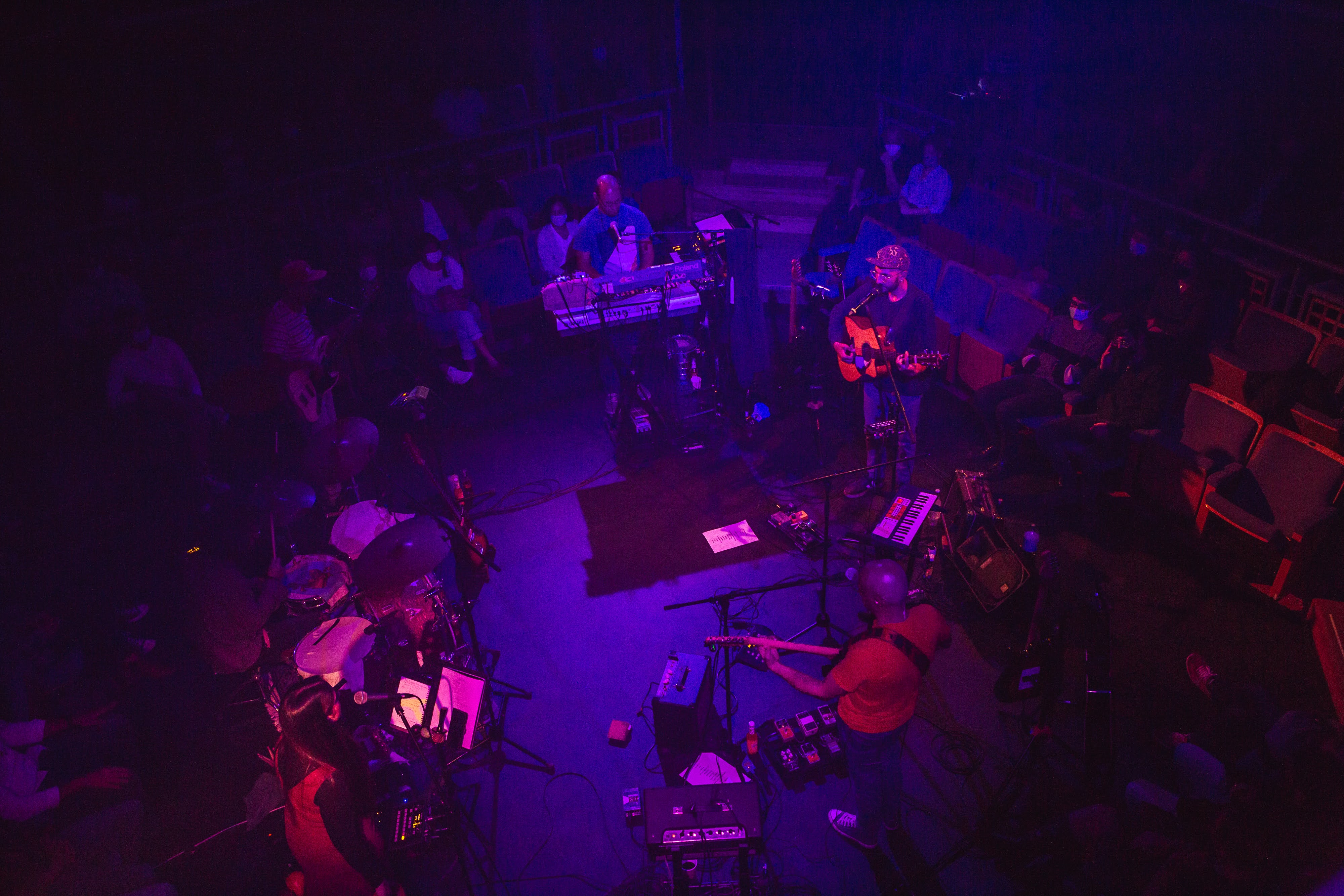



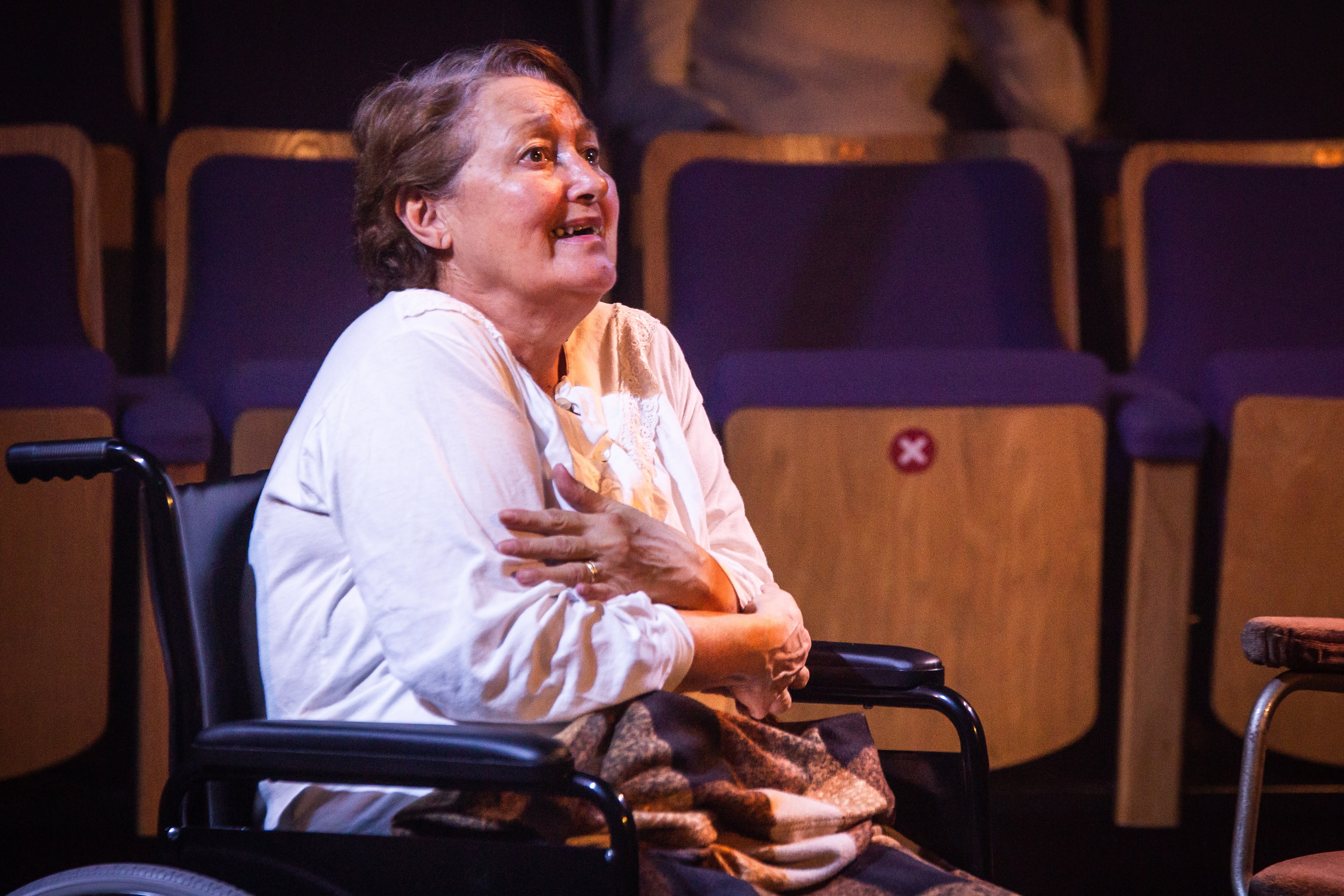
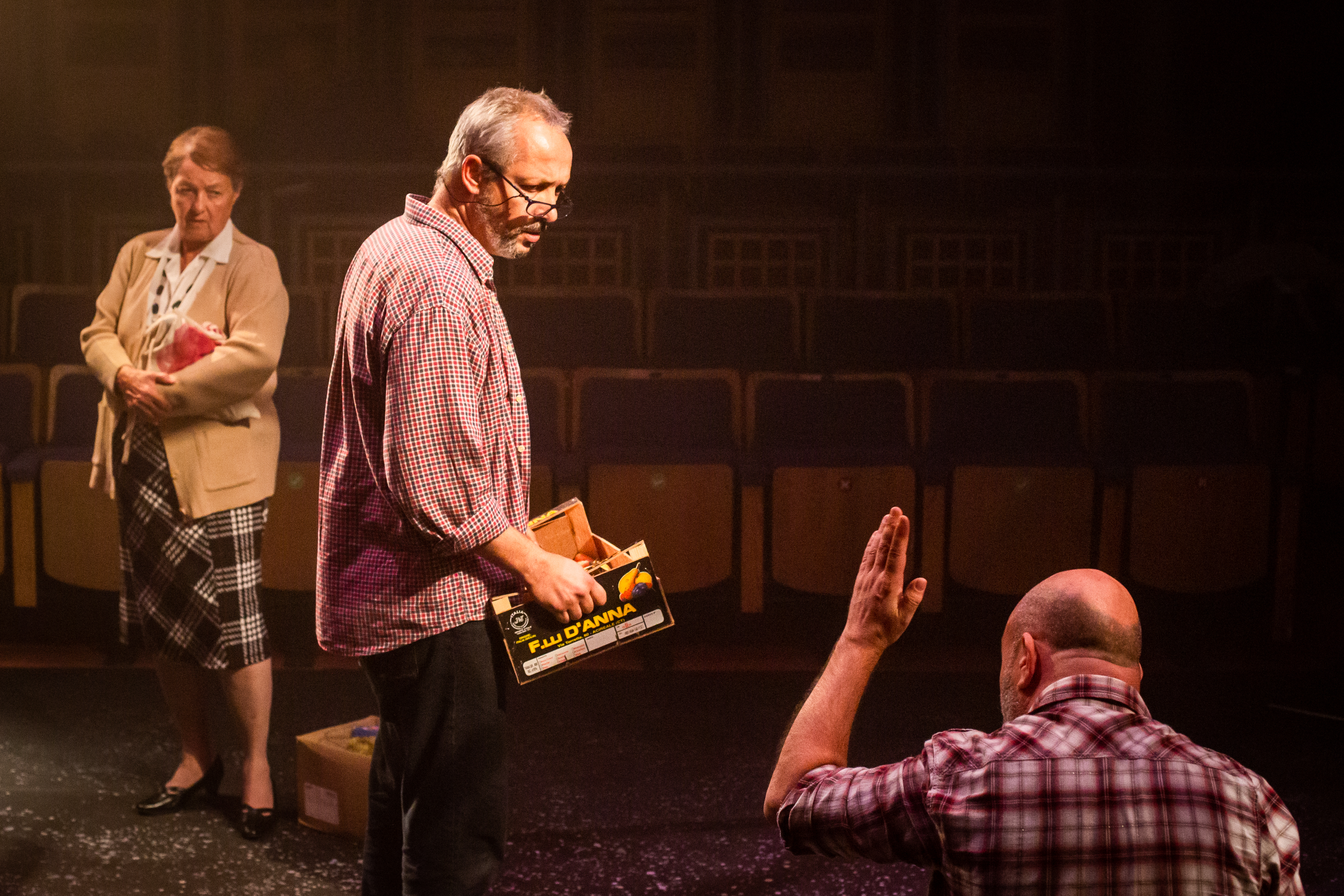

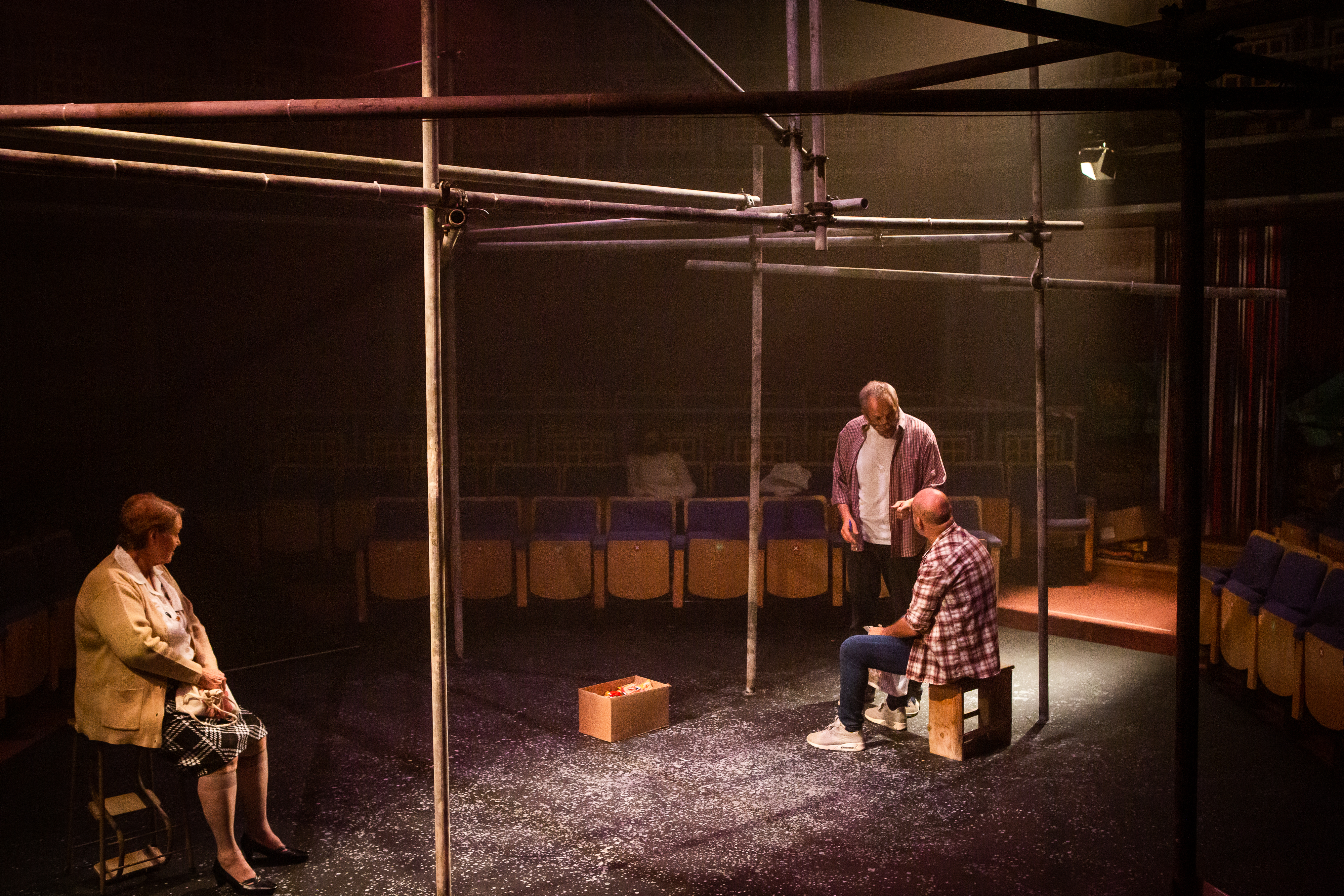

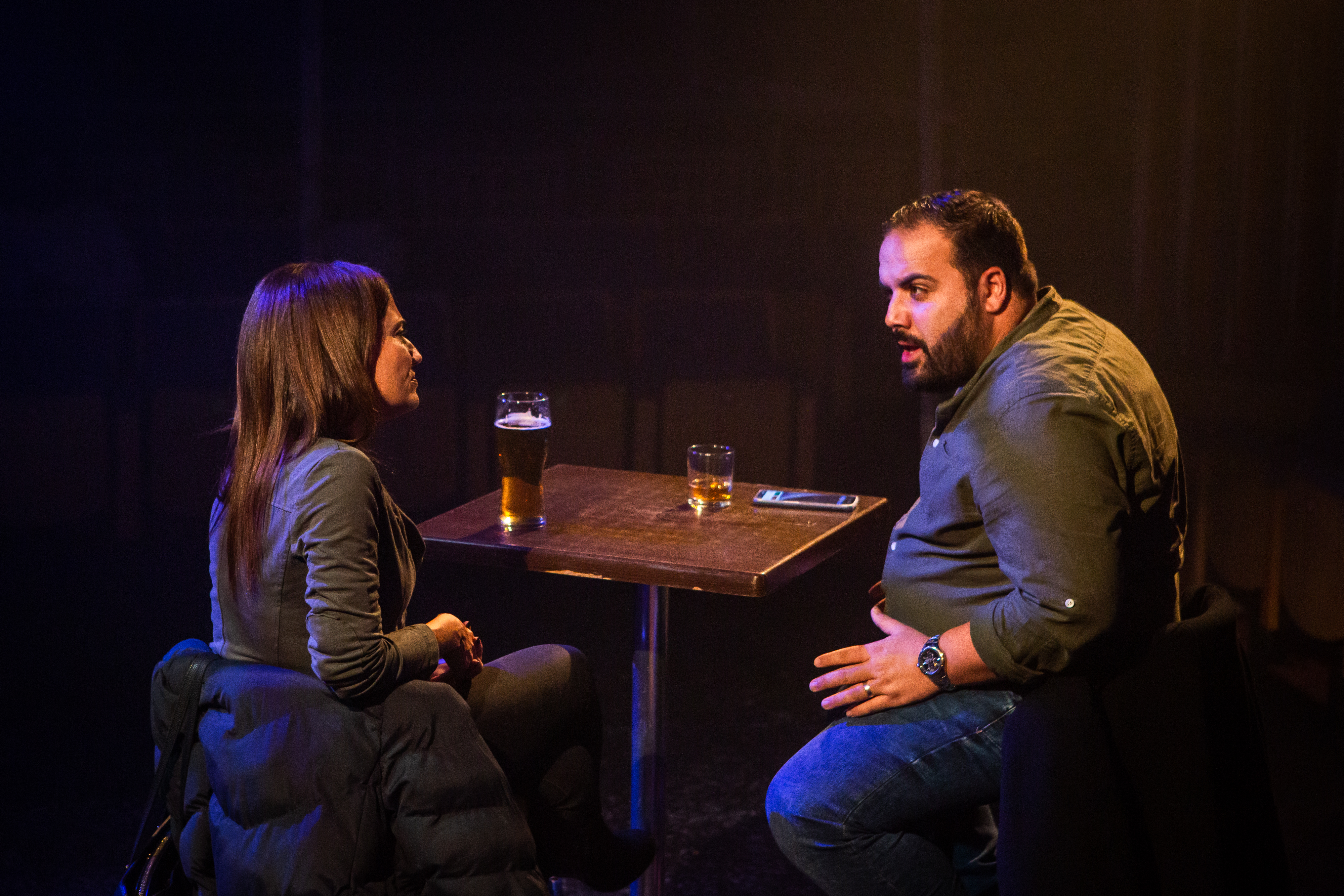
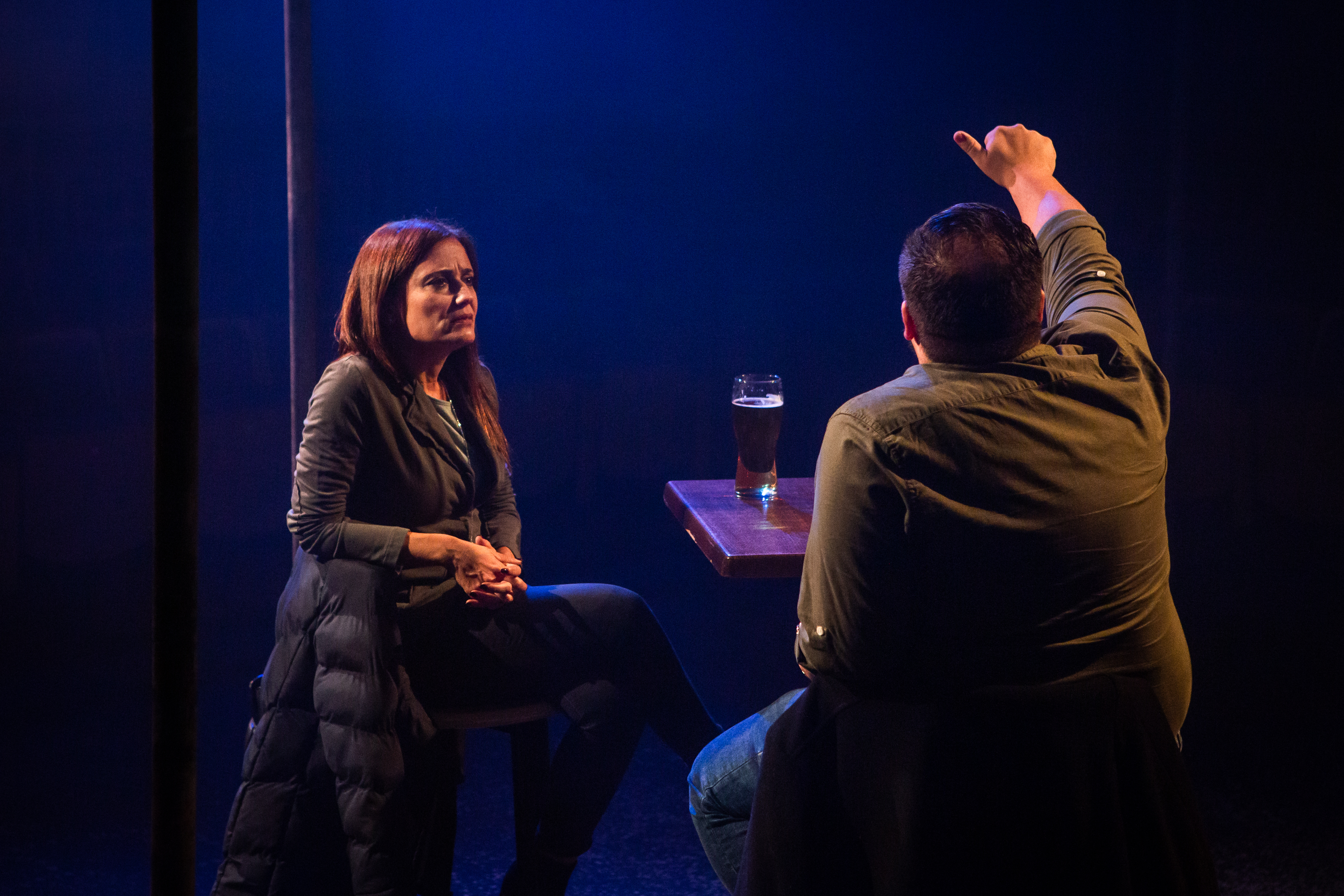
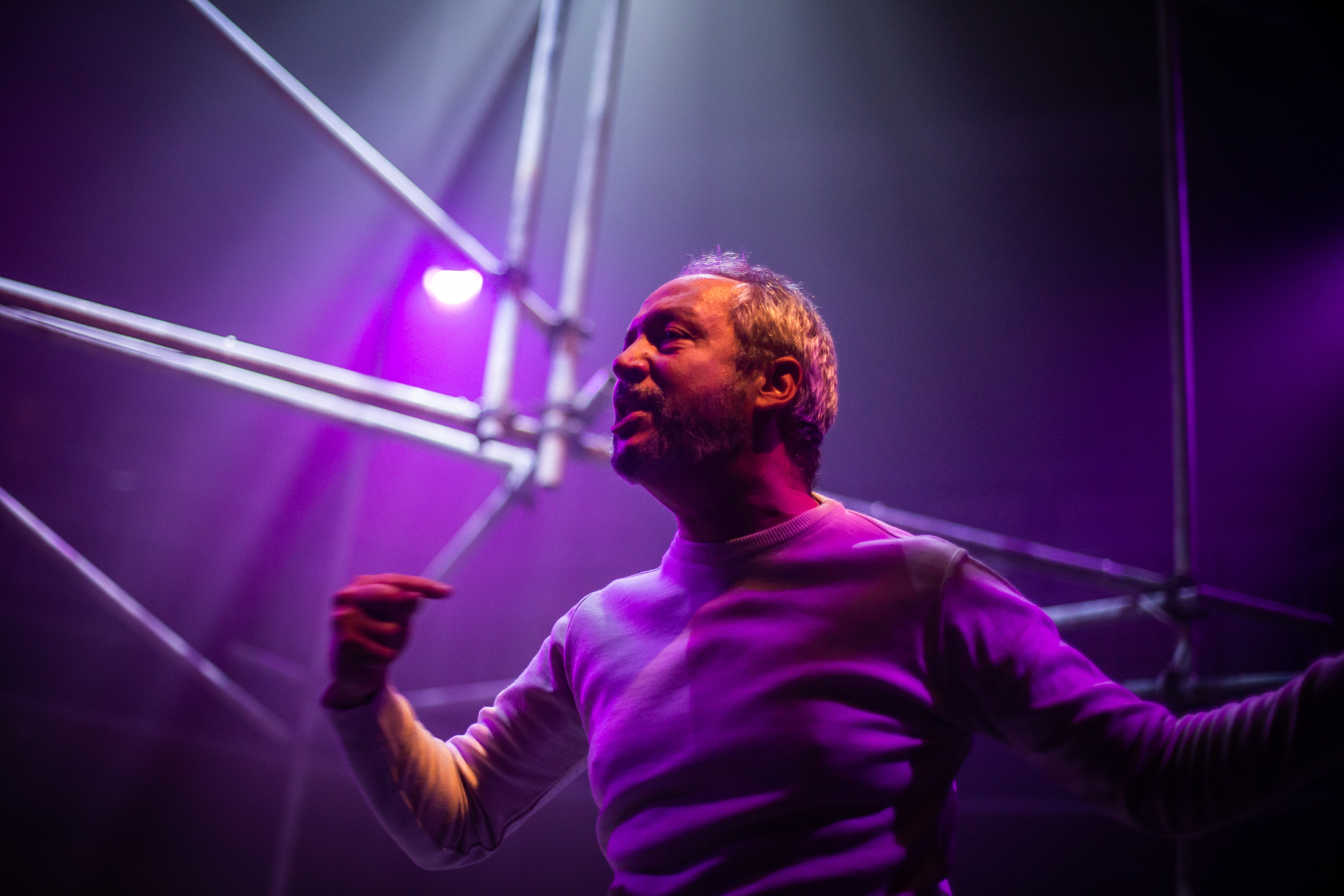


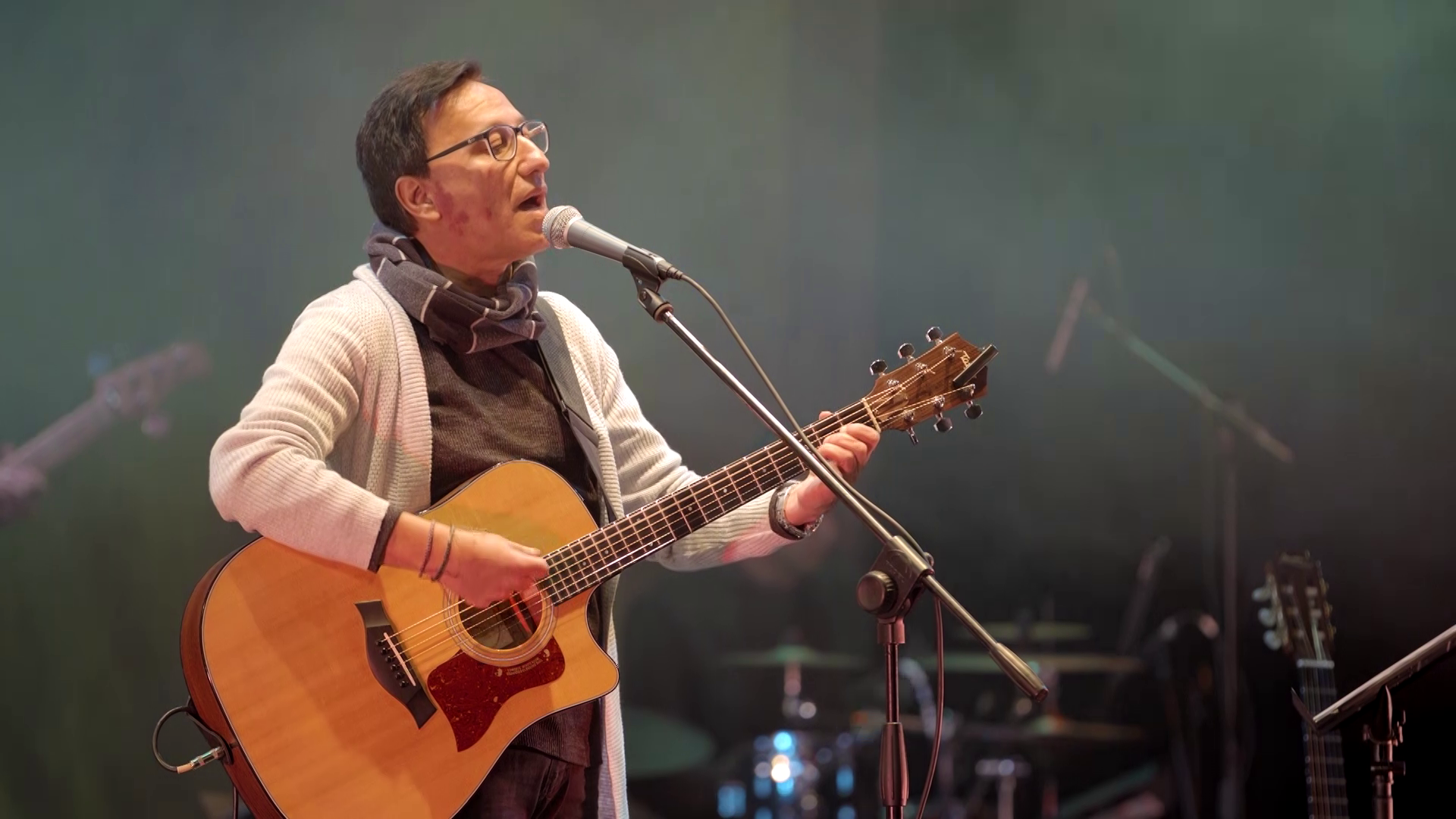





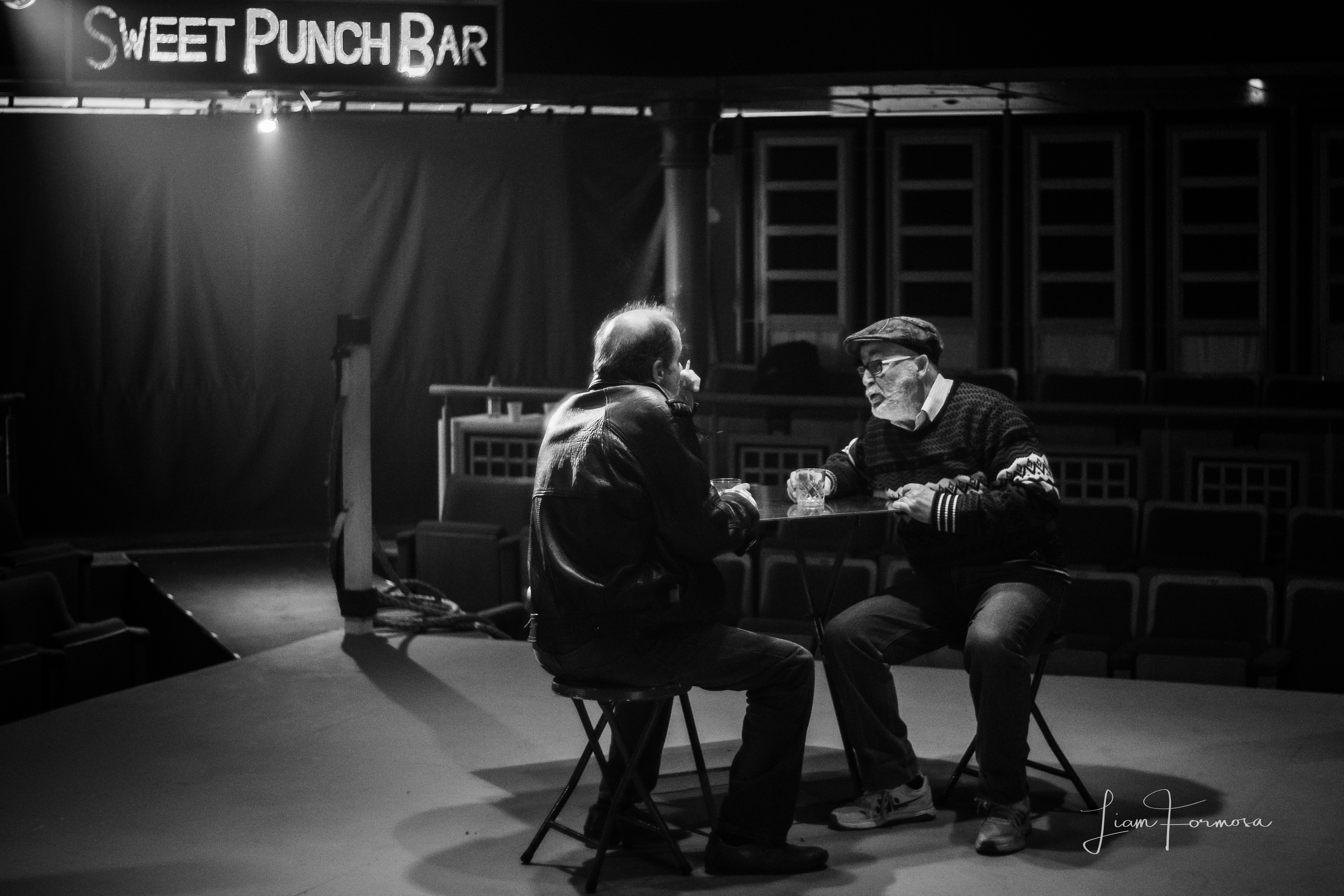
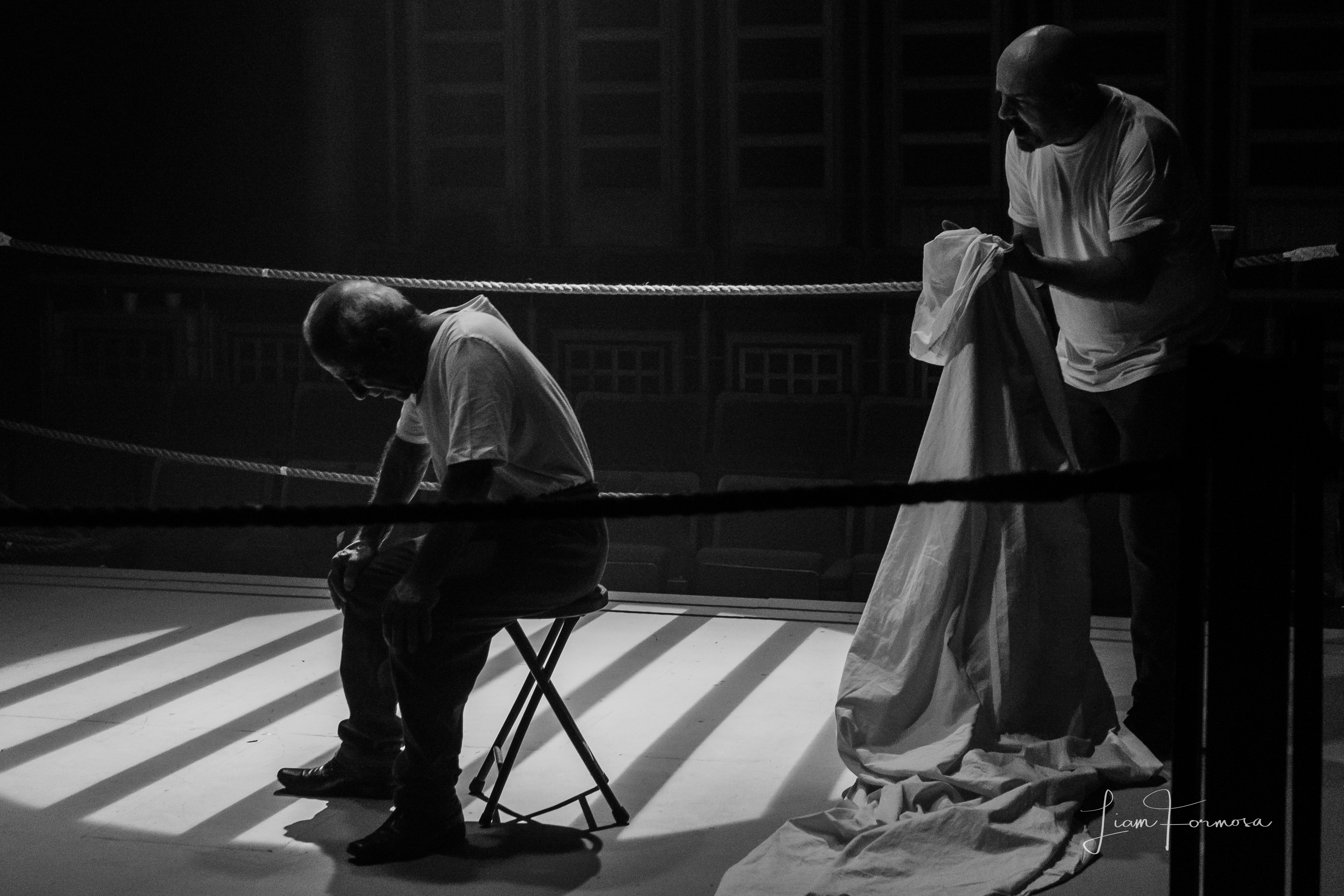
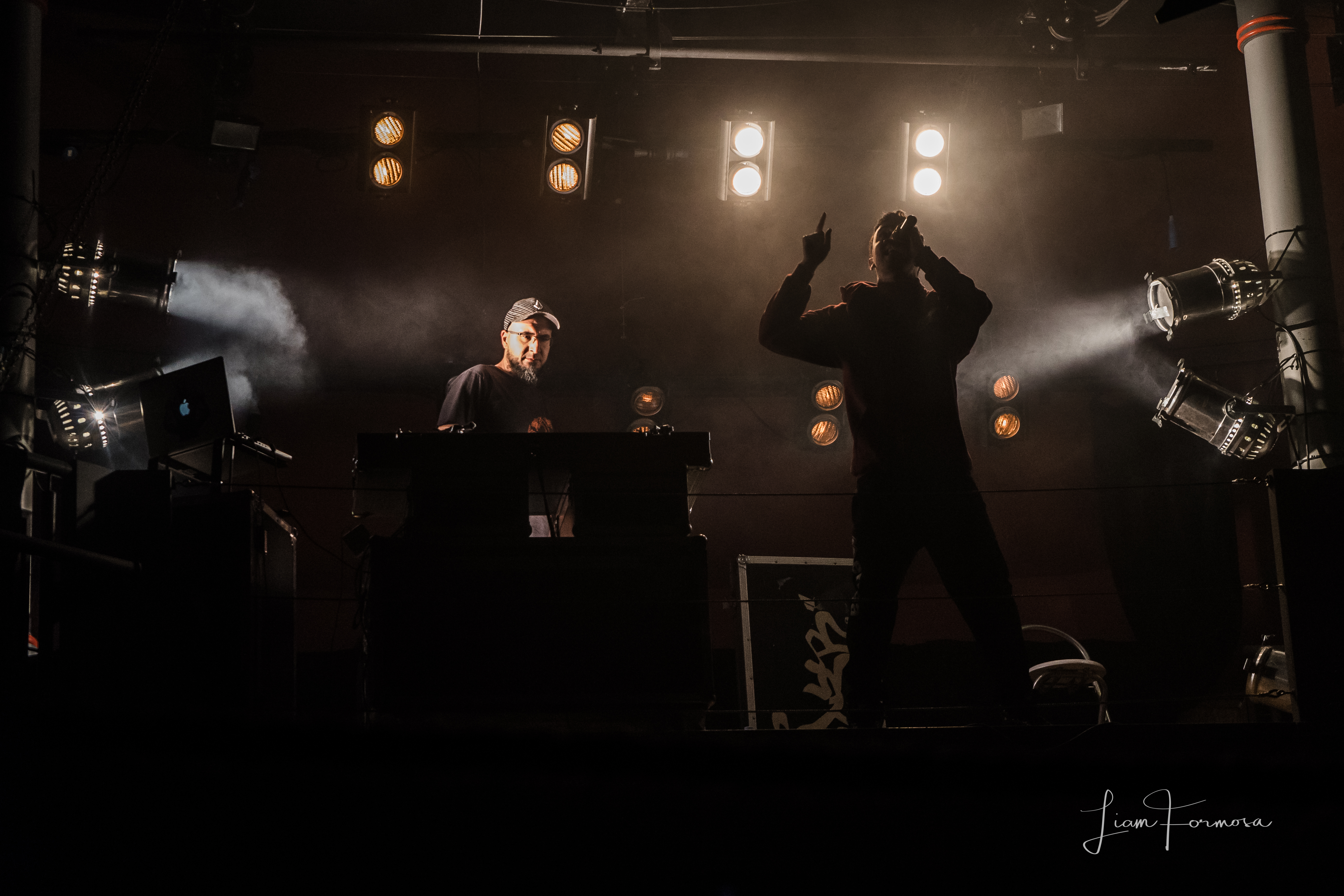


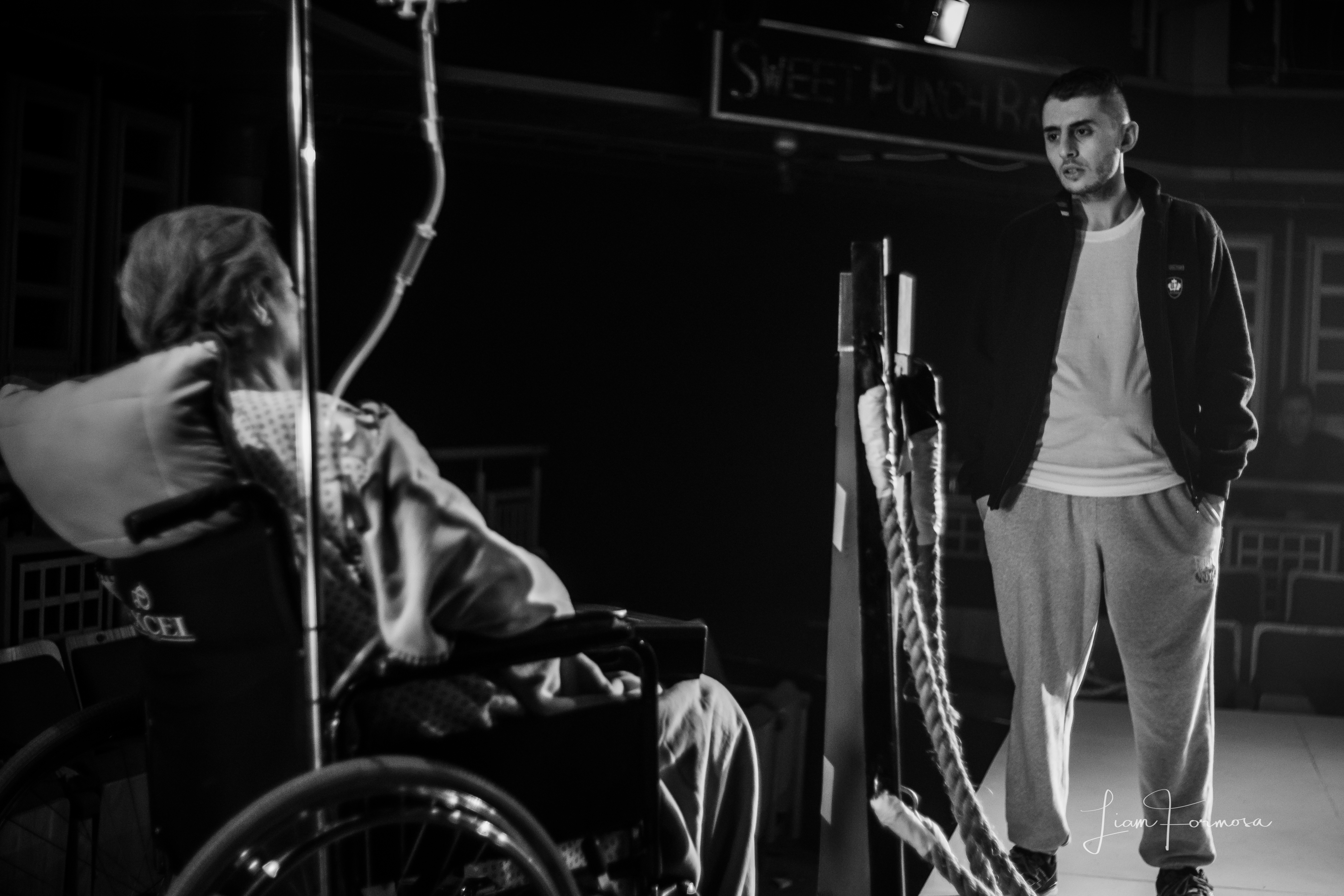
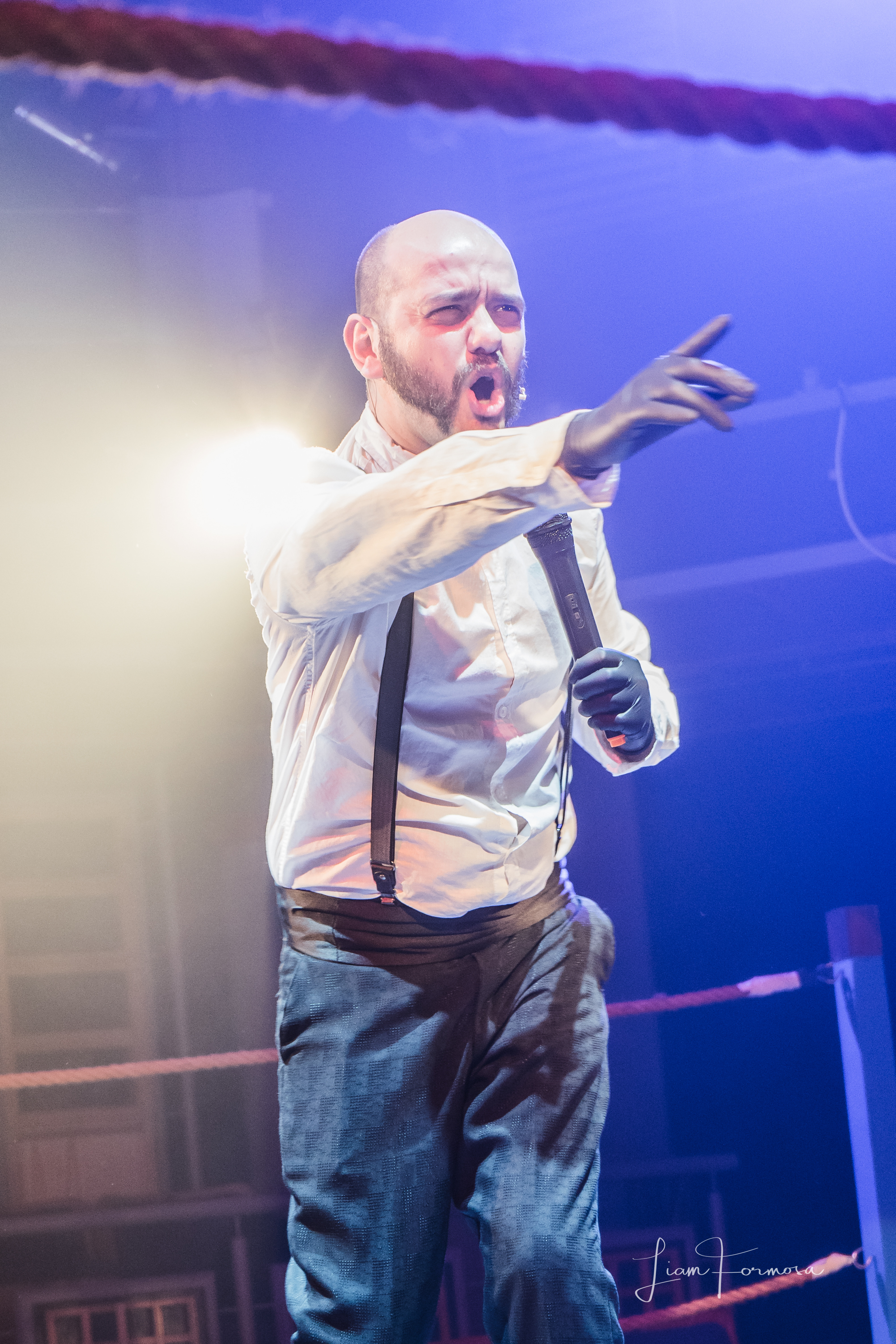
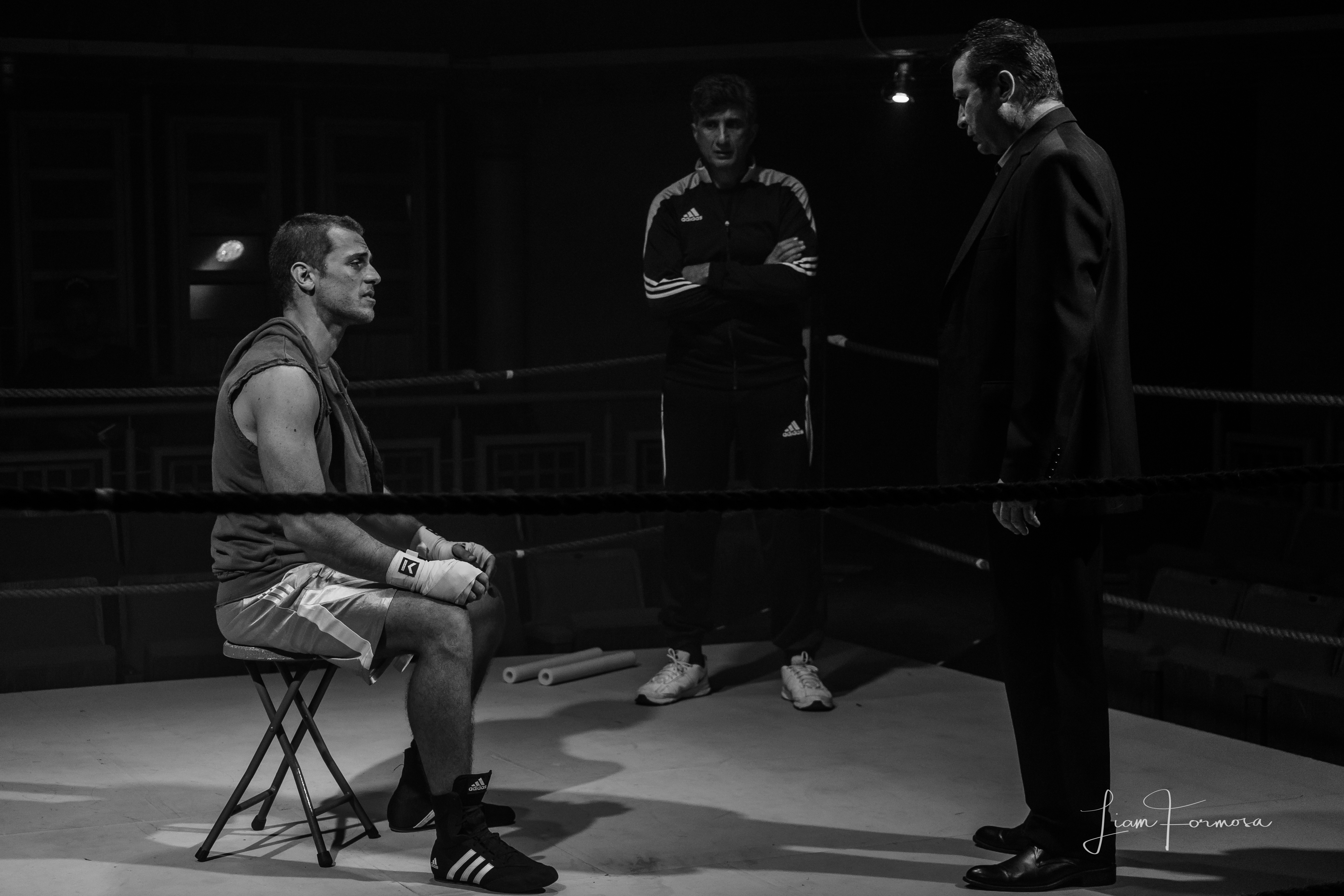
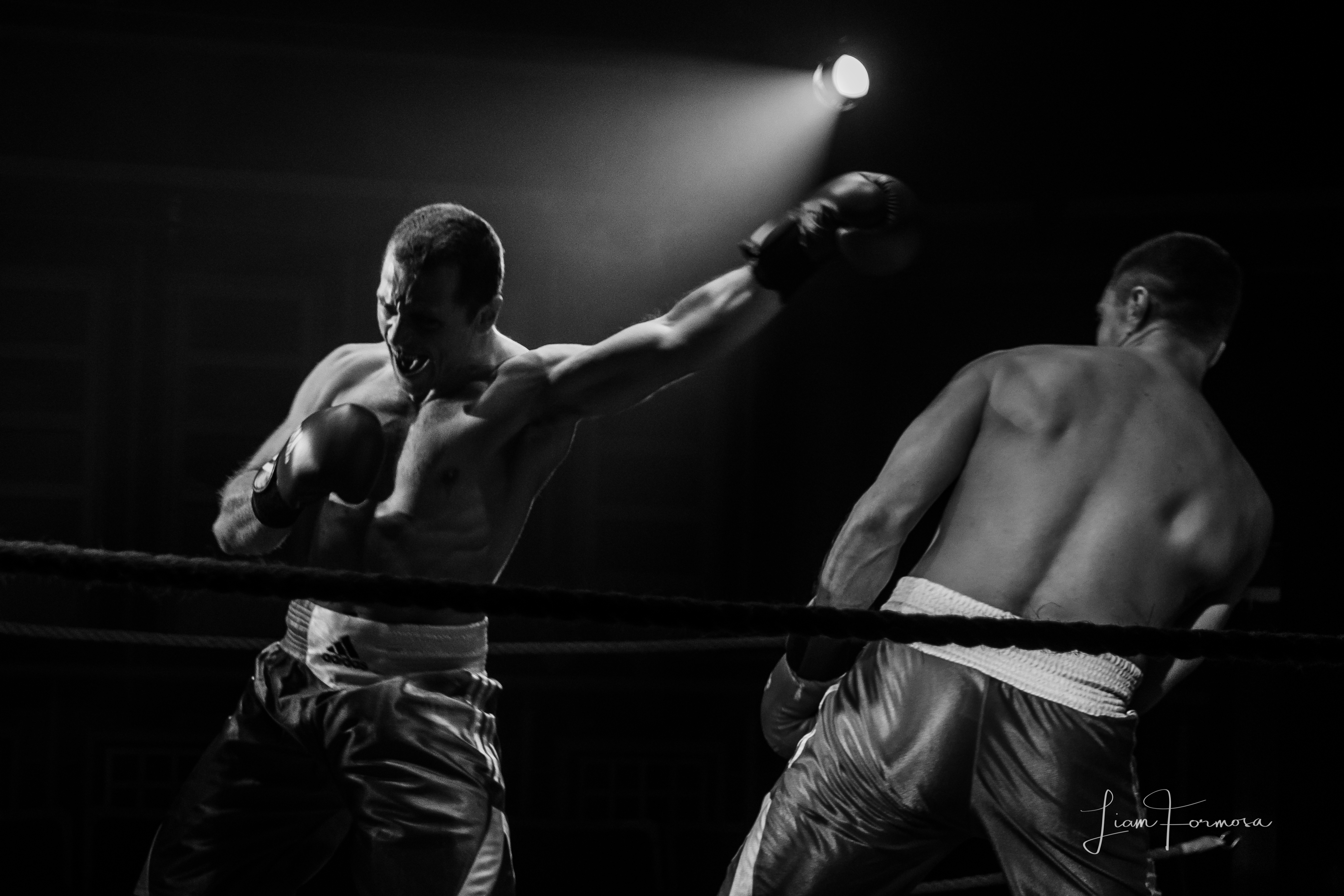







 mikiel